

Hey there! So, let’s chat about something that’s really important but often kinda misunderstood—JME seizures. You know, those pesky little things that can throw a wrench in someone’s life?
Picture this: you’re at the park, laughing with friends, and suddenly someone has a moment where they zone out. It can be pretty alarming! That’s what we’re talking about.
JME stands for Juvenile Myoclonic Epilepsy, and it usually pops up in teens and young adults. These seizures aren’t just your everyday kind; they come with some unique twists. Think quick jerks and drop-offs that can happen any time.
But it’s not just about what happens during a seizure. It’s also about understanding how tech and treatment can really change the game for folks dealing with JME.
Stick around, because we’re gonna dive into it all—what these seizures are, how they work, and what new breakthroughs are out there to help manage them. Let’s unlock some insights together!
Top Treatments for Juvenile Myoclonic Epilepsy: A Comprehensive Guide
Hey there! So, let’s chat about something that might sound a bit heavy but is super important: **Juvenile Myoclonic Epilepsy** (JME). If you’ve heard of it but aren’t really sure what it’s all about, don’t worry. I got you covered!
Juvenile Myoclonic Epilepsy is a type of epilepsy that usually pops up in young people, often during their teenage years. It’s known for causing myoclonic jerks—think sudden muscle spasms that can jerk your arms or legs uncontrollably. Seriously, imagine trying to drink a coffee and—whoops! Your hand suddenly flings up. Yeah, it can be a bit surprising.
Now, **when it comes to managing JME**, there are some big players in the treatment arena. Here are the key options:
- Medications: Anti-epileptic drugs (AEDs) are often used to help control the seizures. Commonly prescribed ones include valproate and lamotrigine. These meds work by stabilizing electrical activity in the brain.
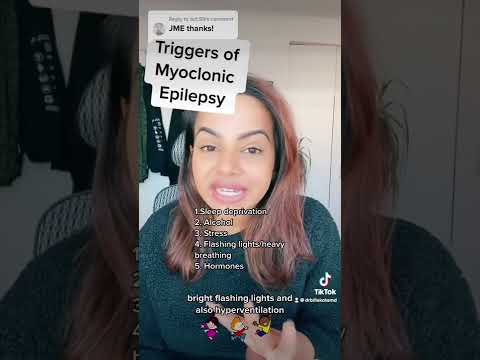
- Lifestyle changes: Staying consistent with sleep routines is crucial! Sleep deprivation can sometimes trigger those jerks. So, good sleep hygiene is your friend.
- Avoiding triggers: Certain things like stress or flashing lights might set off seizures for some people with JME. Knowing what your specific triggers are can help you steer clear of them.
- Monitoring: Regular check-ins with a healthcare provider can help adjust medications if needed and keep everything on track.
It’s worth mentioning that treatment is super individual; what works for one person might not work for another. And just because someone takes medication doesn’t mean they’re “cured.” It’s more about managing symptoms.
Oh! And I remember a friend from high school who had JME. She always seemed so cool and collected, even when her myoclonus would kick in during class. But she had this great support system—teachers who understood her condition and friends who were always ready to lend a hand when needed.
The thing is, every story around JME is unique. If you or someone you know has this condition, reaching out for support—whether through friends or professionals—is really important.
So remember, this info isn’t a substitute for professional healthcare advice—always consult with your doctor if you have questions or concerns about JME or any treatment options!
Understanding First-Line Treatments for Juvenile Myoclonic Epilepsy (JME)
So, let’s chat about Juvenile Myoclonic Epilepsy, or JME for short. It’s a type of epilepsy that usually shows up in teenagers. Imagine being a kid and starting to have weird jerking movements, especially in the morning. That’s what happens with JME! It can feel really confusing and even scary at times.
When it comes to treatment, the first-line options usually include medications that help control those pesky seizures. These meds aren’t a cure-all but can really help reduce how often they happen. The goal is to get you back to living life without worrying about unexpected jerks!
Here are some key points about the treatments:
- Valproate: This is one of the main medications used for JME. It’s been around for a while and has helped many people.
- Lamotrigine: Another popular choice that seems to work well for lots of folks dealing with JME.
- Levetiracetam: This one’s gaining popularity too! Many people find it effective and with fewer side effects.
Now, let me tell you, everyone reacts differently to medications. What works wonders for one person might not do much for another. Some might have side effects, but remember: it’s all part of figuring out what works best for you.
If you or someone you know is dealing with JME, working closely with a healthcare professional can make a big difference. They’ll help tailor the treatment plan specifically for individual needs and circumstances—because who doesn’t like feeling special?
The thing is, staying informed and having support can make managing this condition so much easier. Connecting with others going through similar experiences can be really uplifting too! You’re definitely not alone in this journey.
Understanding Life Expectancy in Juvenile Myoclonic Epilepsy: Key Insights and Factors
Hey there! So, let’s chat a bit about juvenile myoclonic epilepsy (JME). It sounds complicated, but don’t worry—I’ll keep it simple! Basically, JME is a type of epilepsy that usually shows up in teenagers. It’s characterized by these sudden jerking movements. You know, like when you’re falling asleep and you kind of jolt awake? Yeah, that kind of thing but more intense.
Now, when we talk about life expectancy, it’s important to understand that having JME doesn’t typically shorten your life. With proper management and treatment, people with JME often live healthy lives. However, some factors can impact their quality of life.
- Treatment adherence: Sticking to prescribed medication can help control seizures effectively.
- Support systems: Family and friends play a huge role in emotional and practical support!
- Education: Understanding the condition can empower patients to manage it better.
- Lifestyle factors: Getting enough sleep and managing stress are super important!
You know what? One of my friends has a sibling with JME. At first, it was scary for the family when they’d see those jolts happening outta nowhere. But over time, they learned about the condition and found ways to support him. They realized he could still do everything he loved—like playing video games and hanging out with friends! It was pretty touching how they all came together as a family.
The thing is, having JME might feel daunting at times, but understanding it can lighten the load. Also, remember: this info doesn’t replace talking to professionals about health stuff. If you or someone you know has JME or is concerned about anything related to it, don’t hesitate to reach out to a healthcare provider. They’re the real champs in this situation!
So yeah—understanding life expectancy with juvenile myoclonic epilepsy is more about managing life than worrying about it! Stay informed and supportive; that’s key.
Comprehensive Guide to JME Epilepsy Treatment: Options, Insights, and Support
So, let’s chat about something that can feel pretty overwhelming: Juvenile Myoclonic Epilepsy (JME). It’s a type of epilepsy that usually pops up in teenagers, but the cool part is there are ways to manage it. If you or someone you know is dealing with JME, this might help shed some light on what’s going on.
First off, JME involves those sudden muscle jerks. They can catch you off guard – you might be chilling and suddenly your arms or shoulders spasm. It’s super frustrating, right? But don’t worry! There are treatment options available that many have found helpful.
- Medications: This is usually where folks start. Doctors often prescribe antiepileptic drugs to help control those jerks and reduce the frequency of seizures. Your doctor will likely consider your lifestyle and how your body responds to find the best fit.
- Lifestyle changes: Believe it or not, little things can make a big difference. Getting enough sleep, managing stress, and avoiding triggers like alcohol or flashing lights can really help keep those seizures at bay.
- Support groups: Hey, sometimes it helps just to talk to someone who gets it. Support groups offer a space where you can share experiences, learn coping strategies, and just feel less alone.
You know what they say about knowledge being power? Well now more than ever! Make sure you get all your questions answered by talking with healthcare providers. They’re there to listen and guide you on this journey.
The thing about JME is that while it can be scary at times, there are so many resources out there. You’re not alone in this battle! So dig into those support networks and find what works for you because you’ve got what it takes to handle this!
If you’re feeling confused or overwhelmed – totally normal! Just remember that reaching out for help is always a good move. This journey belongs to you; take each step at your own pace!
So, have you ever heard of JME seizures? Yeah, it’s one of those things that sounds complex and a bit intimidating—but really, it’s just a specific type of seizure that impacts young folks, often showing up during those teen years. I mean, if you think about it, it’s hard enough to navigate high school without throwing seizures into the mix!
Let me share a little story. A friend of mine had a cousin who started experiencing these weird jerking movements during class. It was super confusing at first! They thought he was just being quirky or something. But then it turned out to be JME—Juvenile Myoclonic Epilepsy—where people typically have these myoclonic jerks and sometimes generalized tonic-clonic seizures too. I remember how relieved everyone felt when they finally got answers; not knowing is honestly the worst!
What’s interesting about JME is that while its roots lie in genetics—like it can run in families—the management part is where things start to get techy. You know how technology is making waves in almost every field? Well, it’s starting to impact epilepsy treatment as well. Some folks are using devices that monitor seizures or send alerts to caregivers when an episode happens. It’s like having an extra set of eyes on you!
And if we look at treatments, there are medications designed specifically for managing JME that can really help control those sudden jerks and prevent bigger seizures from sneaking up on you. The tech-savvy side here isn’t just cool; it’s essential for many people learning how to live with epilepsy.
The thing is, while you can read all about this stuff online—and trust me, there’s tons out there—you gotta remember that every person’s experience is unique. So what works for one person might not work for another.
At the end of the day, it’s about awareness and understanding what these things mean for those living with them. And who knows? With all this tech around us, we might see even more breakthroughs in treating these conditions in the future! What do you think? Pretty fascinating stuff, right?
