

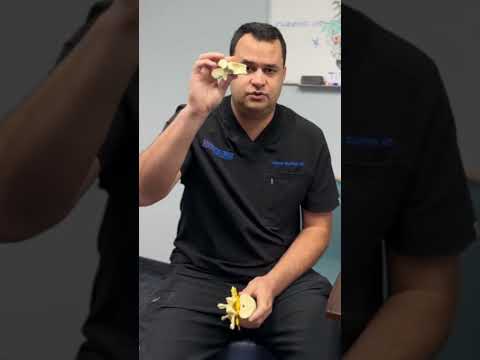
Hey there! You ever hear about kyphoplasty? Sounds fancy, right? Well, it’s actually a game changer for spine health!
Imagine living with back pain day in and day out. Ugh, right? That was my buddy Mike not too long ago. He felt like an old man at 45. But then he discovered this cool procedure that turned his life around.
So what’s all the buzz about kyphoplasty? It’s this neat technique that helps fix those pesky vertebrae that have crumpled under pressure (or just bad luck). Seriously, it can lift you out of discomfort and get you back to doing the things you love.
Stick around; we’re diving into how this advanced tech works and why it could be just what your spine needs!
Assessing the Safety of Kyphoplasty for Elderly Patients: Key Insights and Considerations
Alright, let’s chat about kyphoplasty. You might have heard it thrown around lately, especially when it comes to helping those who deal with spinal issues. So what’s the deal? Well, kyphoplasty is a procedure that’s often used to treat vertebral compression fractures, which are common among elderly folks. These fractures can cause serious pain and lead to complications in mobility.
First off, when we talk about safety, it’s super important to consider the patient’s overall health. Older adults usually have other medical conditions that can affect how they respond to surgeries. That’s why assessing risks is crucial! Here are a few points to think about:
- Age Matters: The older you are, the more likely there may be complications during or after the surgery.
- Bone Health: If someone has weak bones from conditions like osteoporosis, this might make things tricky.
- Anesthesia Risks: Older adults sometimes face higher risks with anesthesia, which can make anyone a bit anxious.
- Mobility Post-Surgery: Some patients may experience better mobility and less pain afterward, while others might not see much change.
I remember chatting with an elderly friend named Ruth. She had been dealing with severe back pain for ages due to a fracture. After considering kyphoplasty, she felt torn between hope and worry. In her case, her doctor took extra time to go over all the potential risks and benefits. This made her feel more comfortable moving forward.
Another thing worth mentioning is that not everyone is a good candidate for kyphoplasty. Factors like overall health and ability to recover from surgery play big roles here. So even though kyphoplasty has brought relief for many elderly patients, it’s not a one-size-fits-all solution.
If you or someone you know is considering this procedure, it’s vital to have an open conversation with healthcare providers—make sure all questions are answered! Overall safety comes first—always!
And remember, this info doesn’t replace professional healthcare advice! It’s just here to help you understand a little better.
Essential Guide to Kyphoplasty Recovery for Elderly Patients: Tips and Timeline
So, let’s chat about something that might feel a bit complicated but is super important—kyphoplasty recovery for elderly folks. You might have heard about kyphoplasty as a way to help manage spinal issues, especially for those dealing with compression fractures. But what’s the recovery process like? Let’s break it down!
First off, recovery can really vary from person to person. Generally speaking, most people start feeling better within a few days. However, it’s key to follow some guidelines along the way!
- Rest is important: After the procedure, it’s good to take it easy for at least 24 to 48 hours.
- Gradual movement: Slowly start moving around your home as you feel comfortable. A little walk here and there goes a long way!
- Pain management: It’s normal to feel some discomfort post-surgery. Keeping up with prescribed medications can help you stay on top of that.
- Avoid heavy lifting: No lifting those grandkids or hauling groceries around too soon! Give your body some time.
- Physical therapy: Your doctor might suggest some gentle exercises later on. Trust me, these can help strengthen your back.
You know how sometimes when you’re waiting for something great and it feels like forever? Well, in terms of timeline, most patients are back to normal activities in about three to six weeks—this includes getting back into social events or hobbies you love!
A quick story: I once knew an elderly lady named Betty who went through this procedure. At first, she was hesitant and worried about how long it would take her to get back to her garden. But after her recovery began, she was out there pruning roses in just a few weeks! It was heartwarming and inspiring.
The thing is, every body’s different and how well you recover can depend on various factors like age and overall health. So remember: always keep in touch with your healthcare provider during this journey! They’ll have the best advice tailored just for you.
In short (or should I say long?), kyphoplasty could be a game-changer for spine health in seniors. Just take it step-by-step! Happy healing!
Understanding the Permanence of Kyphoplasty: Key Insights and Considerations
So, let’s dive into kyphoplasty, shall we? It sounds super fancy, but at its core, it’s a procedure that helps with spinal fractures. Picture this: you’ve got a little crack in your spine—ouch! Kyphoplasty is like giving your spine a little boost, filling in those cracks to help it stand tall again.
Now, one big question people often have is about how long the benefits last. You know, like when you buy a new pair of shoes and want to make sure they don’t fall apart after a couple of weeks? Well, with kyphoplasty, many people experience relief from pain and an improvement in their posture for quite some time. But the *permanence* can vary.
Here are some key insights about the longevity of kyphoplasty:
- Immediate Relief: Many folks feel better almost right after the procedure.
- Long-Term Benefits: Studies show that many patients enjoy pain relief for months or even years!
- Sustaining Benefits: Your lifestyle can play a huge role. Keeping active and healthy can support those gains.
- Possible Recurrence: Sometimes, other fractures might happen down the line. It doesn’t mean kyphoplasty didn’t work; it just means our spines can be tricky.
Let me tell you about my friend Sarah. She had her kyphoplasty done last year after dealing with back pain that was really cramping her style. Afterward? Total game changer! She was back to hiking and enjoying life without that nagging discomfort hanging over her head. But she also makes sure to stay active and do her exercises—definitely helps keep things on track!
But hey, remember—this isn’t a one-size-fits-all kind of deal. Everyone’s body is different; what works wonders for one person might not be the same for someone else. Always good to chat with your healthcare provider about what this means for you.
So there you have it! Kyphoplasty can bring real relief and help fix those pesky spinal issues. Just keep in mind that taking care of yourself plays a big part in how long those benefits last!
Understanding Kyphoplasty Indications: Key Criteria for Treatment Selection
So, let’s chat about kyphoplasty. Sounds complicated, right? But it’s actually a pretty cool procedure. It’s meant to help folks who have suffered from spinal fractures, often due to conditions like osteoporosis. The goal here is to relieve pain and restore the height of the vertebrae. But not everyone is a candidate for this treatment. There are certain indications that doctors look for before they decide if kyphoplasty is the right move.
First off, let’s talk about some key criteria that might make someone eligible for this procedure:
- Type of Fracture: Usually, you’re looking at vertebral compression fractures. These occur when one or more bones in your spine collapse.
- Pain Levels: If you’re experiencing severe back pain that doesn’t seem to improve with regular treatments, that could signal kyphoplasty might be worth considering.
- Time Frame: Typically, the fracture should be considered “acute,” meaning it happened within the last few months. Chronic fractures may not respond as well.
- No Active Infections: If there’s an infection in your spine or surrounding tissues, kyphoplasty isn’t usually an option.
- Your Overall Health: Doctors will evaluate your overall health to make sure you’re well enough for the procedure and its recovery process.
You know how sometimes people feel like they’re stuck in a rut? Well, I had a friend who was dealing with constant back pain after a fall. She felt old before her time! After consulting with her doctor, she learned she was a contender for kyphoplasty because her fractures were recent and the pain was just unbearable for her. It was so eye-opening when she realized there could actually be relief on the horizon!
The thing is, while kyphoplasty can offer some promise, it’s not meant for everyone and doesn’t replace professional healthcare or advice from your own docs. Consultation is super important because each situation is unique.
In short, understanding those indications helps pave the way toward deciding if this advanced technology could fit into someone’s path to recovery. The bottom line? If you think you or someone you know might benefit from this kind of thing, don’t hesitate to reach out to a healthcare professional!
You know, spine health is one of those things we often take for granted. I mean, it’s easy to forget how crucial our back is until something goes wrong. The other day, I was chatting with an old friend who’s had a tough time with her back. She mentioned kyphoplasty—a procedure I didn’t know much about until then. So, I started digging into what this advanced technology means for spine health.
Kyphoplasty is pretty fascinating! It’s designed to help folks dealing with vertebral compression fractures, which just sounds painfuI, right? Picture this: you’ve got a fracture in your spinal bone that makes everything from standing up to just breathing feel like a challenge. That’s where kyphoplasty comes in handy. Using a balloon-like device, doctors can gently lift the collapsed area and fill it with a special cement-like substance to stabilize the spine.
What really caught my attention was how much it can improve quality of life. My friend’s recovery story was amazing—she went from barely being able to walk to feeling strong enough to get back out there and enjoy her life again! It’s incredible what modern medicine can do when it comes to restoring mobility and reducing pain.
But here’s the thing… while this technology seems revolutionary—and it is—it’s important to remember that every treatment has its risks and isn’t fit for everyone. That’s why talking to a healthcare professional is always key before diving in headfirst.
So, if you or someone you know is struggling with back issues, the advances in treatments like kyphoplasty are definitely worth exploring. Just keep in mind that your body deserves care and attention, and nothing beats getting personalized advice from someone who knows their stuff!
