

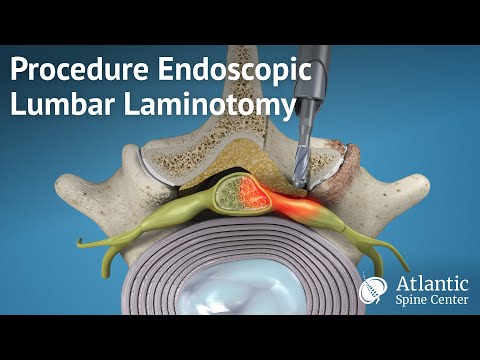
Hey there! Let’s talk about something that might sound a bit heavy but is actually super fascinating—spine surgery. You know, that thing that can seem scary, right? But hold on! There’s this cool approach called laminotomy that’s kind of shaking things up.
Imagine being able to relieve pain with less downtime and fewer scars. Sounds pretty sweet, huh? Laminotomy is all about taking a small slice outta the bony arch of your spine to make room for your nerves. Yep, it’s as simple as that!
This technique is changing lives. So if you’re curious about how it’s revolutionizing the way we deal with back pain and spinal issues, stick around. Trust me, you won’t wanna miss this!
Exploring the Disadvantages of Laminotomy: Key Considerations and Risks
Laminotomy is a type of spine surgery that’s been getting some buzz lately. It’s where they remove a small part of the lamina, which is a bony covering on your vertebrae, to relieve pressure on the spinal cord or nerves. Sounds cool, right? But before jumping on board, it’s good to take a moment and think about some possible downsides.
First off, **there can be complications**. Like any surgery, there are risks involved. Some people might experience bleeding or infection afterward. It’s always a bit nerve-wracking to think about these possibilities.
Then there’s **the recovery time**. While some folks bounce back quickly, others might find that healing takes longer than expected. Imagine having to adjust your daily life around that!
Another thing to consider is that **it doesn’t work for everyone**. You might hear about plenty of success stories, but not every patient gets the same outcome. Sometimes symptoms persist even after surgery, which can be super frustrating.
Don’t forget about **spinal stability** either! By removing part of the lamina, there’s a chance that vertebrae could become less stable over time. This might lead to other issues down the line.
And lastly, let’s talk about **costs and accessibility**. Depending on where you live and what insurance you have (if any), getting this kind of surgery can get pricey! Not everyone has easy access to this treatment option.
So really, before diving into anything like laminotomy or any spine procedure for that matter, it’s smart to weigh those potential risks against what you’re hoping to achieve. Always chat with a healthcare provider for personalized advice because they’ll help you figure things out best for your situation!
Understanding the Most Challenging Back Surgery Recoveries: A Comprehensive Guide
So, you or someone you know is facing back surgery, huh? That’s a big deal. Back surgeries can be super stressful, and the recovery part? Well, it can sometimes feel like an uphill battle. We’re talking about something serious here—especially when it involves techniques like laminotomy.
Laminotomy is a type of spine surgery that focuses on relieving pressure on the spinal cord or nerves. Basically, the surgeon removes a small part of the bone from the spinal canal. It sounds intense, right? But seriously, understanding what’s ahead might help ease those worries.
Now let’s chat about recovery. Here are some key things to keep in mind:
- Pain management: Expect some discomfort after surgery. Doctors usually give pain meds to help with this.
- Physical therapy: This could start pretty soon after the operation. Yes, it might be tough at first, but therapy gets your body moving and healing.
- Rest is key: You need quality rest to heal properly! It isn’t just about staying in bed all day—getting enough sleep helps significantly.
- Follow-up appointments: Don’t skip those! They’re vital to check how everything’s healing and adjust plans if needed.
I remember my buddy Dave had a laminotomy last year. He was so nervous before his surgery; I thought he was going to jump out of his skin! Afterward, he had some tough days managing pain but eventually got into his physical therapy routine and started feeling like himself again. He even said it helped him appreciate little things like walking without pain!
The thing is, everyone’s recovery journey looks different. Maybe you’ll bounce back quicker than expected or face some bumps along the road. Staying positive can make such a difference!
Just remember: If you have any questions or concerns during recovery, always reach out to your healthcare team—they’re there for you! Healing takes time and patience.
And hey, while this info helps you understand more about back surgeries like laminotomy and what comes next, it’s not a substitute for professional healthcare advice.
Minimally Invasive Spine Surgery: Ideal Candidates and Key Considerations
Alright, let’s talk about minimally invasive spine surgery. This is a pretty cool approach that’s changing the game when it comes to treating spine issues. So, what is it? Basically, instead of making a huge cut in your back, surgeons use small incisions and special tools. This means less pain and a quicker recovery for you. Pretty neat, right?
But who are the ideal candidates for these surgeries? Well, there are a few things to consider:
- Specific spinal conditions: If you’ve got issues like herniated discs or spinal stenosis, you might be a good fit.
- Age: While it can vary, younger patients usually recover faster.
- Overall health: If you’re generally healthy and don’t have major medical issues, you could be in the clear.
- Previous treatments: If other treatments haven’t worked out for you—like physical therapy or medication—you might want to chat about this option.
You know what’s wild? I remember my friend Lucy. She had been dealing with back pain for years! She tried everything—chiropractors, medications—you name it. Then she heard about this minimally invasive surgery. After discussing it with her doctor, she was thrilled to find out she was a candidate! The surgery went smoothly and guess what? She was back on her feet in no time!
Of course, there are key considerations before diving in:
- Surgical experience: Make sure your surgeon has experience with these minimally invasive techniques.
- Your lifestyle: Consider how quickly you need to get back to your normal activities. Some people bounce back faster than others.
- Pain management: Talk about how pain will be managed post-surgery; everyone’s pain tolerance is different!
- Your goals: Be clear about what you want from the surgery. Are you just looking to ease pain or are there specific activities you’re hoping to get back to?
The thing is, while minimally invasive spine surgeries like laminotomy have their benefits, they aren’t for everyone. Talk with your medical team—they can help determine if it’s right for you based on your individual situation.
You see? It’s all about figuring out what works best for YOU! So if you’re considering this type of surgery or know someone who is, just remember: research and conversations with professionals are super important!
Minimally Invasive Spine Surgery for L4-L5: Benefits, Techniques, and Recovery Insights
Let’s talk about something that’s been making waves in the world of spine surgery: minimally invasive spine surgery, especially for those pesky L4-L5 issues. If you’re curious about what this means, stick around—it’s pretty intriguing stuff!
So, first off, what exactly is this minimally invasive spine surgery? Basically, it’s a technique where doctors use tiny incisions and special tools to fix problems in your spine without the big cuts you’d usually expect. It’s kind of like using a key instead of a crowbar—you’re getting in there without messing up everything else around it.
Benefits? Oh, there are plenty! Here’s the scoop:
- Less pain after surgery—because smaller cuts mean less trauma to your body.
- Shorter recovery time—you could be back on your feet faster than with traditional surgery.
- If you need to go back to work, you just might be able to sooner!
- Lower risk of infection—since there’s less exposed skin during the procedure.
I remember when my buddy Brian had back issues. He was really struggling before his surgery. The thought of a huge scar and long recovery made him anxious. But then he found out about this minimally invasive option for his L4-L5 vertebrae—it changed everything for him! He was amazed at how quickly he bounced back and even joked that he felt like he was 30 again (even though we both know that’s pushing it!).
Now, let’s dive into some cool techniques.
- Laminotomy: This one involves removing just a small part of the bone over your nerves. It helps relieve pressure without taking out the whole lamina (that’s part of your vertebra).
- Microdiscectomy: If you’ve got a herniated disc, this technique can help remove just what needs to go while leaving everything else intact.
You might be wondering about recovery—it’s usually quicker than with traditional surgeries. Many patients feel much better within weeks! Of course, each person heals differently; so it’s super important to follow your doctor’s advice post-surgery.
The thing is, while these advances sound incredible and can really improve quality of life, they aren’t suitable for everyone. You always want to have an open conversation with healthcare professionals who know your specific situation best.
If you’re thinking about options for back pain or spinal issues, seriously consider looking into these minimally invasive techniques—but remember: don’t skip talking with your doctor first!
You know, spine surgery might not be the first thing that comes to mind when you think about exciting medical advancements, but there’s something happening in that realm that’s really cool. Laminotomy techniques are shaking things up and making life a whole lot easier for folks dealing with spine issues.
Let me tell you a little story: a friend of mine, let’s call her Jess, had been struggling with back pain for years. It was as if she was navigating life through molasses—slow and frustrating. After countless visits to doctors and trying everything from physical therapy to yoga classes, she finally found herself facing surgery. Honestly, she was terrified. Who wouldn’t be? But then she learned about this new laminotomy approach.
So here’s the scoop on laminotomy: it’s a surgical technique that involves removing part of the lamina—the bony part of the spine—to relieve pressure on nerves without causing too much damage to surrounding tissues. It’s way less invasive than traditional methods, which is music to anyone’s ears! It means shorter recovery times and less pain after surgery—seriously, what a game changer!
Jess went into the procedure feeling nervous but came out with renewed hope. The recovery time was so much quicker than what she’d imagined. I mean, she was able to start moving around sooner than expected! It felt like watching a sprinter break free from their starting block after being cooped up for too long.
With these laminotomy techniques gaining traction in the medical community, it seems like so many people like Jess could benefit from it instead of going down the more extensive surgical route. Of course, every case is different and not every doctor uses these techniques yet—but it’s exciting seeing innovation in action.
Isn’t it wild how surgery can seem so intimidating yet be transformed by new methods? It’s just one reminder of how far we’ve come—and how important it is to keep pushing boundaries in healthcare. Who knows what other amazing developments are just around the corner? Keep your fingers crossed for more breakthroughs because we all want healthy backs ready for life’s adventures!
