

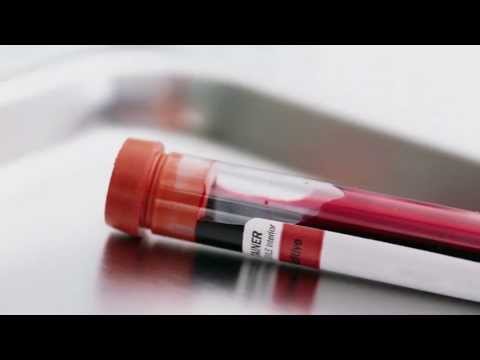
Hey there! Have you ever wondered what those numbers on your cholesterol test actually mean? You’re not alone! Seriously, it can be super confusing.
So, let’s talk about lipid panels. They’re like a sneak peek into your heart health. But here’s the catch: it’s not just about good or bad cholesterol anymore.
There’s a whole world of insights hidden in those numbers! With advanced lipid panels, you can figure out more than ever before—like your risk for heart disease, inflammation levels, and so much more.
Curious yet? Let’s dive into this fascinating side of health together!
Understanding the Cost of Advanced Lipid Profile Tests: A Comprehensive Guide
So, you’ve heard about those advanced lipid profile tests and you’re wondering what they actually cost and why you might need one, right? Well, let’s break it down into simple chunks.
First off, **what’s an advanced lipid profile?** Basically, it’s a blood test that gives a detailed look at the fats in your blood. It goes beyond just measuring your cholesterol levels. You get insights into different types of lipoproteins, which are tiny particles carrying cholesterol. Think of them like the delivery trucks for fats in your body!
Now, onto the **cost** part. Prices can really vary based on where you live and where you go for the test. Here’s the deal:
- In most places, the cost might range from $50 to several hundred dollars.
- If you have insurance, check if they cover it! Sometimes they’ll cover most of the cost if there’s a medical reason to get tested.
- Without insurance? You might find some labs offering these tests at a discounted rate or even for cash payments that are lower than what you’d pay with insurance.
One thing to keep in mind is that not all tests are created equal. Some clinics might offer additional information or more comprehensive panels that could be pricier but give better insights. So, it’s sorta like buying a steak: do you want just a regular cut or something fancy?
And hey, talking about why anyone would want this test—lots of folks get it done to understand their risk for heart disease or other conditions. It could help catch potential issues before they become big problems.
A little personal story here: my buddy Dave thought he was healthy as a horse until he got one of these tests done as part of his routine check-up. Turns out his LDL cholesterol was through the roof! This gave him a wake-up call and got him on track toward healthier habits.
Anyway, if you’re considering an advanced lipid profile test, make sure to chat with your healthcare provider first. They can help explain if it’s right for you and what sort of costs you’re looking at based on your situation.
Remember, while these tests can provide valuable health insights, they’re just one piece of the puzzle! Having open conversations with health pros is always key.
Understanding Your Advanced Lipid Profile Test Results: Key Insights for Better Health
So, you just got your advanced lipid profile test results, huh? It can feel a bit overwhelming at first. Don’t worry! Let’s break it down into bite-sized pieces so you can get a good grip on what all these numbers mean for your health.
First off, let’s talk about what an **advanced lipid profile** really is. This test looks at various types of fats (or lipids) in your blood. It goes beyond just the basic cholesterol levels we usually hear about. You know, like LDL and HDL? Well, this test gives a deeper peek into things like particle size and density.
Now, here are some key points to keep in mind:
- LDL Cholesterol: Often dubbed “bad” cholesterol, this is the one you want to keep low. Higher levels can lead to plaque buildup in your arteries.
- HDL Cholesterol: Referred to as “good” cholesterol, higher levels are actually better! This helps remove LDL from your bloodstream.
- Total Cholesterol: This number combines both LDL and HDL levels. It gives a general overview but isn’t the full story.
- Lipid Particle Size: Smaller particles of LDL can be more harmful than larger ones because they fit into artery walls more easily.
- Apolipoprotein B (ApoB): This protein is associated with bad cholesterol. More ApoB means more risk for heart issues.
Understanding these elements can provide insights into your heart health. For example, when my friend Lisa got her results back, she was shocked to see her LDL was on the higher side. She thought she was healthy since she always eats salads! But after chatting with her doc and diving deeper into those numbers—like checking her LDL particle sizes—she realized there was work to do.
Your advanced lipid profile isn’t just a bunch of numbers; it’s a way to understand how well your body is managing fats and whether you might need to make some lifestyle tweaks. Seriously consider how diet, exercise, and maybe even stress management play crucial roles here.
But remember: this info doesn’t replace professional healthcare advice! Always team up with your doctor when going over results for personalized insights and recommendations. That’s the best way to create a plan that makes sense for YOU!
Mastering Advanced Lipid Panel Interpretation: Key Insights for Accurate Assessment
So, let’s chat about those advanced lipid panels you might’ve heard of. You know, they’re like the super detectives of cholesterol testing? They help give a clearer picture of your heart health. So what exactly do they measure? Well, it’s not just about total cholesterol anymore. These panels dig deeper, looking at different types of lipids in your blood.
Firstly, they check LDL and HDL cholesterol. LDL is often called “bad” cholesterol because high levels can lead to heart issues. In contrast, HDL is the “good” stuff that helps carry cholesterol away from your arteries. A higher level of HDL is something to cheer about!
Then you’ve got triglycerides, which are another type of fat in your blood. High triglyceride levels can also be a red flag for heart disease. It’s kind of like finding out your favorite snacks are actually way too salty—no one wants that.
What’s even more interesting? Advanced lipid panels take it a step further by analyzing particle sizes and numbers. This means they can tell if you have lots of small, dense LDL particles—those guys are trouble! They sneak into arteries more easily than the larger ones.
Now, you might wonder, why does this matter? Because understanding these details can help you and your doctor better assess your risk for cardiovascular issues down the road.
So here’s a quick rundown on what those fancy tests look at:
- Total Cholesterol: Just the sum; it doesn’t show nuances.
- LDL Cholesterol: The “bad” guy; high levels are unwanted.
- HDL Cholesterol: The “good” guy; higher levels are protective.
- Triglycerides: Too many can indicate potential problems.
- Lipid Particle Number and Size: Helps assess bad and good cholesterol more accurately.
I remember when I got my first advanced lipid panel back! My doctor broke down all these numbers for me—like it was some secret code to decipher my health. At first glance, I was overwhelmed! But once I grasped what each piece meant, it felt empowering instead of scary.
Anyway, keep in mind that these tests don’t replace professional healthcare advice—they’re tools to help guide discussions with your doc! Making sense of all this info can lead to better choices for your health. And who doesn’t want that?
Understanding the Differences: Advanced Lipid Panel vs. Standard Lipid Panel
So, you’ve probably heard about lipid panels, right? They’re those blood tests that help figure out your cholesterol levels. But here’s where it gets interesting: there are actually two types of lipid panels out there—**the standard lipid panel** and **the advanced lipid panel**. Let’s break it down, shall we?
The standard lipid panel is what most folks think of when they get their cholesterol checked. It usually measures:
- Total cholesterol
- LDL (low-density lipoprotein) – often called “bad” cholesterol.
- HDL (high-density lipoprotein) – known as “good” cholesterol.
- Triglycerides
This test gives a good overview of your cholesterol health. But it’s a bit like looking at the surface of a lake without diving deep down to see what’s really going on.
Now, on to the advanced lipid panel. This one takes things up a notch! It not only includes everything from the standard test but also gives you more detailed info about your lipid particles. That’s fancy talk for looking at the size and number of those LDL and HDL particles. Here’s what it can show:
- LDL particle count
- Size of the LDL particles
- Apolipoprotein B (ApoB)
So why does this matter? Well, smaller LDL particles can be riskier for heart disease compared to larger ones. It’s kind of like choosing between a bouncy ball and a sharp needle—you’d want to avoid the needle, right?
Think about it this way: you might feel totally fine after a standard test showing “normal” levels. But an advanced panel could reveal details that suggest you need to be more careful with your lifestyle or talk more with your healthcare provider.
And remember: no test is foolproof! I once knew someone who always felt fine at their checkups but learned through an advanced lipid panel that they had some hidden risks lurking below the surface—definitely a reality check.
At the end of the day, whether it’s just a standard check or diving deep into an advanced analysis, both tests are tools in understanding your heart health. Just be sure to chat with your healthcare provider if you have questions or concerns; they’re the best ones to help navigate all this info!
You know, when it comes to health, many of us think about our weight or how much we exercise. But there’s this whole other world going on inside us that we don’t really pay attention to—like our blood lipids. Seriously, has anyone ever mentioned a lipid panel to you and you just nodded along, totally clueless? Yeah, me too! But it turns out these advanced lipid panels can tell us a lot about our health.
So here’s the deal: a lipid panel tests for fats in the blood—stuff like cholesterol and triglycerides. And while most of us have heard about LDL (the “bad” cholesterol) and HDL (the “good” one), advanced lipid panels dig deeper. They give you more details that can shine a light on your heart health.
I remember chatting with my friend Jess one day over coffee. She had just gotten her results back from an advanced lipid test. Jess was freaking out because her total cholesterol was slightly high, but her doctor explained that it wasn’t just about that number. The breakdown showed she had high HDL and some other protective markers that suggested she was actually in good shape! It’s funny how those numbers can tell such a different story when looked at closely. You might think you’re doomed because of one number alone, but it’s all about context.
And seriously, understanding these details can be crucial! Some people can be at risk for heart disease even if their overall cholesterol levels are fine—thanks to things like particle size and the number of certain types of particles in the blood. So getting into the nitty-gritty can really make all the difference.
But let’s not forget: this isn’t aimed at replacing your doctor or anything like that! These tests are tools that help paint a picture of what’s going on inside your body. It’s definitely worth having a solid convo with your healthcare provider if you’re curious or worried. They can help interpret those results so they actually mean something to you.
So next time you’re at your check-up, maybe ask about an advanced lipid panel if it sounds good for you. You never know; it could unlock some important insights into your health journey!
