

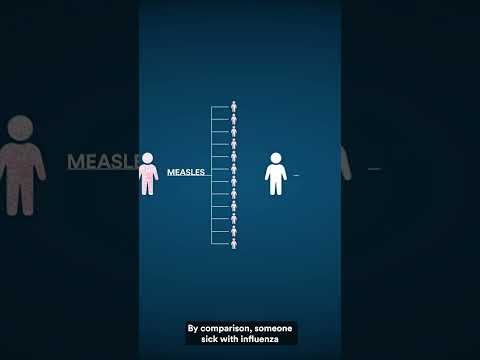
Hey there! So, let’s chat about something that’s kind of a big deal—measles. Yeah, that old-school illness that used to scare parents everywhere. It might seem like it’s from another time, but guess what? It’s still lurking around, and we need to talk about it.
But here’s the cool part: technology has jumped in to save the day! Seriously, it’s fascinating how innovations are changing the game when it comes to preventing measles. Think about vaccines that are developed faster than ever or apps that help track outbreaks.
You see, understanding how we can use tech is super important right now. The more we know, the better equipped we are to keep ourselves and our loved ones safe. So, let’s dive into this whole measles and tech combo. It’s gonna be an eye-opener!
Effective Strategies for Preventing Measles: A Comprehensive Guide
So, measles, right? It’s one of those illnesses that can sound kinda scary but don’t worry too much—there are ways to keep it at bay. Technology has really stepped up when it comes to preventing the measles virus, and it’s great to know how we can use it to stay safe.
Vaccination is Key
First off, let’s talk about vaccines. The MMR vaccine protects against measles, mumps, and rubella. It’s super effective! Most people need two doses for full protection, and you usually get the first dose around 12-15 months old. Keeping track of your vaccination records is important. If you’re not sure about your status? Just ask your healthcare provider.
Awareness Through Technology
Now here’s where things get interesting: technology helps spread info about measles. Social media can be used to share facts about outbreaks or vaccination clinics in your area. If you hear of a measles case nearby, make sure you’re up-to-date on your shots!
Monitoring Outbreaks
Public health apps can also keep you in the loop about outbreaks. Some apps will send notifications if there’s an increase in measles cases around you. When you’re informed, you can take precautions. Maybe avoid crowded places if there’s a surge!
The Role of Telehealth
And guess what? Telehealth is a game changer for discussing vaccinations with your doctor without even leaving home! You can chat online and get all your questions answered quickly and comfortably.
Community Support
Don’t underestimate community action! Schools and local organizations often promote vaccination drives through websites or newsletters. This encourages everyone to participate in keeping the virus at bay.
So really, it all boils down to being proactive. With the right info and tech at our fingertips, preventing measles is totally doable! But remember: always consult with a healthcare professional for personalized advice and guidance—’cause this info isn’t meant to replace expert advice!
Effective Preventive Programs for Measles: Strategies for Immunization and Public Health Awareness
Well, let’s chat about measles for a minute. It’s a highly contagious virus that can lead to serious health issues, and you definitely don’t want to mess with it. The good news? There are some pretty effective ways to keep the measles at bay. Here are some strategies that are making a difference in public health today.
Immunization is key. Vaccination is your best defense against the measles virus. The MMR vaccine—measles, mumps, and rubella—is typically given in two doses during childhood. This not only protects the individual but also creates herd immunity in communities.
Public awareness campaigns work wonders. Educating people about the importance of vaccinations can go a long way. Think about it: if folks understand how measles spreads and the benefits of immunization, they’re more likely to get vaccinated themselves! Schools, social media, and community events are great places to spread this info.
- Access to vaccines: Making sure vaccines are available and easy to access is super important.
- School policies: Many schools require proof of vaccination for enrollment; this helps ensure kids are protected.
- Crisis response plans: When there’s an outbreak, having a plan ready to roll out vaccines quickly can make all the difference.
I remember when my friend had a little one who was due for their shots. She was so worried about all the stuff she heard online! But after chatting with their pediatrician and learning about how vaccines work, she felt totally relieved. It’s crucial for parents (and everyone really) to have accurate info at their fingertips.
Another point worth mentioning is technology’s role in prevention. Yep, tech is stepping up! Health departments are now using apps and social media campaigns to remind people about vaccinations and even track immunization rates in real-time. Talk about high-tech health!
So yeah, keeping measles under control isn’t just one person’s job; it takes community effort, understanding risk factors, supporting vaccination programs, and embracing technology for greater awareness. And remember—this info doesn’t replace professional healthcare; always consult your doctor with questions!
Understanding Long-Term Immunity in Measles: Mechanisms and Implications
Let’s talk about measles and what it means for your immunity. So, you might’ve heard that after a measles infection or vaccination, you can have long-lasting protection. But how does that work? Well, it’s all about the immune system doing its job.
When you catch measles, your body kicks into gear and starts producing antibodies. These little guys are like soldiers ready to fight off the virus if it ever shows up again. The fascinating part? Your body remembers how to make those antibodies even years later! This is what we call long-term immunity. Pretty amazing right?
But here’s where technology comes in, too. Scientists have figured out ways to use vaccines to mimic this natural infection without making you sick. The measles vaccine is super effective at getting your immune system all charged up without having to go through the actual disease.
- The role of memory cells: After recovery or vaccination, special immune cells called memory B cells stick around in your body, ready to recognize and combat the measles virus if you encounter it again.
- Community protection: When enough people get vaccinated, this creates herd immunity, which protects those who can’t get vaccinated due to health reasons.
- The global impact: Vaccination programs have drastically reduced measles cases worldwide. More tech advancements mean even better vaccines for future generations!
You know, I remember when my buddy caught measles as a kid—it was no joke! Fortunately, he was vaccinated and had a much milder experience than others who didn’t get the shot. That just shows how important it is!
The bottom line? Measles might be a serious illness but understanding long-term immunity helps us appreciate the role of vaccines in keeping everyone safe. Just remember that while this info is super interesting and crucial, it’s no substitute for chatting with a healthcare professional about your specific concerns!
Understanding the Measles Comeback: Causes, Impact, and Prevention Strategies
First off, what causes the uptick in measles cases? You might be surprised to know that one of the big reasons is a decrease in vaccination rates. A lot of people were hesitant about vaccines or just didn’t get around to it. And when fewer folks are vaccinated, the virus can spread much more easily—like a game of tag gone wrong!
- Vaccine Hesitancy: Some parents worry about vaccine safety based on misinformation.
- Global Travel: People moving between countries can spread diseases quickly.
- Lack of Awareness: In some areas, especially where measles was almost wiped out, people forget how serious it can be.
The impact of these outbreaks goes beyond just getting sick. Measles isn’t just a rash; it can lead to severe complications like pneumonia and encephalitis. Seriously! It doesn’t play around. Even healthy kids can end up in the hospital if they catch it. In fact, I remember reading about a little girl who caught measles during an outbreak; her family had no idea how dangerous it was until she ended up needing treatment. It really puts things into perspective!
So what can we do about preventing these outbreaks? Now’s where things get hopeful! Getting vaccinated is the best way to protect yourself and others from this virus. The MMR vaccine (that’s for measles, mumps, rubella) is your superhero here.
- Vaccination: Make sure you and your kids are up-to-date with vaccines.
- Epidemiological Surveillance: Health authorities monitor cases so they can jump on outbreaks quickly.
- Misinformation Busting: Sharing factual information helps combat fears about vaccines!
If you still have questions or concerns, chatting with a healthcare professional can help clear things up. Remember that this info isn’t meant to replace medical advice—it’s just here to give you some insight.
To wrap things up: understanding why measles is making its return helps us figure out how to keep our communities safe. It’s all about teamwork—getting vaccinated protects not only you but everyone else too! So go ahead and talk openly with your friends and family about getting those shots updated!
Hey friend, so let’s chat a bit about the measles virus and how tech is playing a big role in keeping us safe from this nasty bug. You know, when I was a kid, I remember hearing about measles outbreaks on the news and thinking how scary that sounded. It’s easy to forget just how contagious some viruses can be. Seriously, measles is like the VIP of infections—it spreads faster than gossip in a small town.
Anyway, now that we’re all grown up, it’s wild how much has changed with technology. Vaccines were already a game-changer in preventing measles; they’ve saved countless lives. But now? We’ve got this whole new wave of technology making it even better!
Take data analytics, for example. Health agencies can analyze vaccination patterns and outbreaks with just the click of a button. This means if there’s an uptick in cases somewhere—boom! They can spring into action to contain it fast. It’s like having a superhero team using data instead of capes!
And then there’s social media. Yep, it sounds odd at first, but hear me out—public health campaigns have found their way to platforms like Facebook and Instagram. Imagine scrolling through your feed and coming across an engaging post educating you about the importance of vaccinations! It’s all about getting the message out there to folks who might not have access to traditional information channels.
I mean… let’s be honest, not everyone reads health pamphlets or visits clinics regularly. But guess what? People do scroll their feeds while waiting for coffee or riding the bus! So that little nudge from social media could actually change someone’s mind about vaccines.
Plus, there are new technologies being developed for vaccine delivery too! Picture this: painless patches that deliver vaccines without needles or more efficient ways to store them so they stay effective longer—who wouldn’t love that?
But with all these advancements comes responsibility too. Misinformation spreads just as quickly as any virus nowadays—on social media especially—and that can lead some folks down the wrong path regarding vaccinations.
So here we are—a mix of old and new solutions battling an ever-present threat like measles. It makes me feel hopeful though; seeing humanity use technology creatively gives us tools to prevent diseases that used to take lives without hesitation.
Alright, I’ll wrap up my little reflection here; just wanted to share these thoughts with you! Remember though: staying informed is key because nothing beats chatting with healthcare professionals if you’ve got questions or concerns about vaccines or anything else related to your health.
