

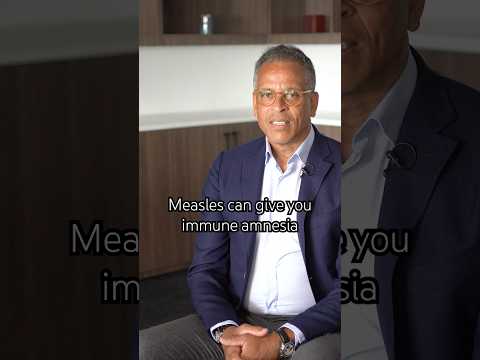
Hey there! So, let’s chat about something super interesting today—boosting immunity with that magical measles jab. Sounds a bit geeky, right? But trust me, it’s cooler than you think!
Picture this: You’re at a party, and everyone is talking health. Then someone raves about how a little shot can save you from all sorts of nasty bugs. Crazy, huh? This jab isn’t just an old-school vaccine; it’s like having your own superhero against diseases.
You know, we often hear about vaccines and health stuff, but sometimes we don’t get how much they actually do for us. That’s the thing—I want to break it down in a cozy way.
So grab your favorite snack and let’s unravel the power of that measles jab together! It’s more than just protecting you; it’s about building a wall of defense for your whole community. Intrigued? Stick around!
Understanding Measles Vaccine Efficacy: Reasons for Lack of Immunity
So, let’s chat about the measles vaccine. You might wonder why sometimes it doesn’t work for everyone. I mean, it’s a pretty big deal since measles can be serious stuff. It all comes down to a few reasons for that lack of immunity, and I’m here to break it down nice and easy.
First off, not everyone responds the same way to vaccines. Some people just don’t build up enough antibodies after getting the shot. It’s kinda like how some folks can get super sick from a cold, while others breeze through it.
Another thing is timing. The measles vaccine is usually given in two doses; the first one around 12-15 months and a second between 4-6 years old. If those doses aren’t spaced right or missed altogether, that can affect immunity too.
Also, individual health factors matter. If you have certain medical conditions or take specific medications that weaken your immune system, it might not kick into gear as strong as it should after getting vaccinated.
And let’s not forget age. Babies under a year old often haven’t built up their immune systems yet. They might be protected from their mom’s antibodies for a while but can still be at risk before they get their first shot.
Here are some key points to remember:
- Vaccine response varies: Not everyone’s body reacts the same.
- Dosing schedule: Missing shots or not sticking to timing impacts immunity.
- Health conditions: Weakened immune systems can lead to less effectiveness.
- Age matters: Younger kids are more vulnerable before vaccination starts.
At the end of the day, vaccines are super effective overall, but nothing’s perfect! This is why we all need to keep talking about vaccination and stay informed. Seriously though, if you have concerns or questions about vaccines, always chat with a healthcare pro!
Understanding Immunity: Am I Immune to Measles After Having It as a Child?
Hey there! So, you’ve probably heard about measles, right? It’s one of those childhood illnesses that used to be pretty common. But what happens after you get it? Are you immune for life? Let’s dive into that.
First off, if you had measles as a child, congratulations! Your body has likely built up some level of immunity against it. Basically, when you get infected with measles, your immune system kicks into gear and learns how to fight off the virus. This process creates memory cells that can recognize the virus if you ever encounter it again.
But here’s the thing: immunity isn’t always black and white. Sometimes, people can still get measles again if their immunity wanes over time or if they were never fully immune in the first place. That’s right! It can happen, although it’s rare.
- Measles vaccine: Many experts recommend that kids get vaccinated to ensure strong immunity.
- Natural infection: Having measles usually provides lifelong immunity for most people.
- Catching it again: It’s not impossible but quite uncommon for someone to get measles more than once.
You know, I once chatted with a friend who caught measles as a kid and thought she was all set for life. Then one day she found out about some adults still getting it due to weakened immunity. She was shocked! But honestly, typically those who had measles as children are safe from catching it again.
So yeah, while having had measles usually means you’re immune for life, it’s always smart to stay informed about your health and vaccines. If you’re ever in doubt about your immunity status—or anything health-related—don’t hesitate to reach out to a healthcare professional!
Essential Guide: Who Should Receive a Measles Booster Vaccination?
Hey there! Let’s chat about measles and who might want to think about getting a booster shot. You probably know that measles is one of those highly contagious diseases that can be serious, right? The best way to keep safe is through vaccination. So, let’s dive in!
First off, it’s super important to understand that most kids get their first dose of the measles vaccine around 12 to 15 months and a second dose between 4 and 6 years old. But sometimes, life happens! This means some folks might miss these vaccines.
So, who needs a booster?
- Adults born after 1956: If you didn’t get two doses as a kid or your immunization records are vague, you might want to consider a booster.
- Travelers: Planning on heading somewhere where measles is common? A booster could help keep you safe.
- Pregnant women: If you’re pregnant and your vaccinations are outdated, talking with your healthcare provider about getting boosted might be wise.
- Healthcare workers: Since they’re at higher risk of exposure, staying up-to-date with vaccinations is key.
You know what? My friend Sarah was totally caught off guard when she found out her childhood vaccinations weren’t complete. She had planned a trip abroad but had to scramble last minute to get her booster because she wanted to make sure she stayed protected while traveling!
The cool thing about getting the measles vaccine—or the booster—is that it helps not just you but also those around you. You’re boosting your immunity but also contributing to herd immunity. Remember, though! Always reach out to a healthcare professional for personalized advice. They can help guide you on what’s best based on your situation.
At the end of the day, keeping up with vaccinations like this one is just another way we can all take care of each other. So if you’re in any of those categories we talked about or just have questions—don’t hesitate!
Understanding Measles Immunity: Insights After Infection
Hey there! Let’s chat about measles immunity, shall we? It might sound super technical, but it’s actually pretty straightforward once you break it down a bit.
You know how some people say that getting measles is just a part of childhood? Well, that’s not the full picture. When you get infected with measles, your body fights back by producing antibodies. These are like tiny warriors that help keep you safe from the virus. Once your body has battled measles, it usually remembers that fight—and gets better at defending itself in the future.
Now let’s break down some key points about immunity after infection:
- How immunity works: After an infection, your immune system creates memory cells that recognize the measles virus if it ever tries to invade again.
- Long-lasting protection: Most people who recover from measles develop lifelong immunity. That means you probably won’t get it again!
- The role of vaccination: The measles vaccine works similarly by training your immune system without making you sick.
- Why vaccination is important: Even if you’ve had measles before, getting vaccinated helps protect those around you who might be more vulnerable.
I mean, when I was a kid, I heard all sorts of stories about measles parties where parents would purposely expose their kids to the virus. Can you believe that? But now we know just how valuable vaccines are at keeping everyone safe.
Oh, and here’s something to think about: some folks might have weaker immune responses due to other health conditions or age. For them, it’s super important to stay up-to-date on their vaccinations!
So yeah, the thing is, understanding immunity after an infection can really help us appreciate just how amazing our bodies are—and why preventing diseases through vaccination is such a game-changer. Remember though: this info doesn’t replace professional healthcare advice. Always consult with a healthcare provider for personal questions or concerns!
Hey there! So, you know how everyone talks about keeping your immune system in tip-top shape? Well, there’s this fascinating twist in the vaccine world that’s all about boosting immunity, and it’s really interesting. I mean, the measles jab might not be the first thing that comes to mind when you think of innovative health solutions, right? But hear me out.
I remember chatting with a friend who was super skeptical about vaccines. He had this whole “natural immunity” thing going on, as if our bodies are like superhero shields by themselves. Fast forward to a few months later, and he got measles. It was such a rough time for him—high fever, rash all over, and he spent days just feeling awful. After that experience, you can bet his view on immunization changed quite a bit.
So here’s the scoop: the measles vaccine does more than just prevent measles! Research has shown that it can boost your immune system in general. Isn’t that wild? Basically, when you get vaccinated against measles, it triggers your immune system to kick into action and become more efficient at fighting off other nasty infections too. Turns out our immune systems are pretty smart!
You might be wondering why this happens. Well now, when you receive the measles vaccine, you’re training your body to recognize and combat the virus without having to go through the actual illness itself. It’s like giving your immune system a little pep talk! The effect can last for years—kinda like sending your immune system back to school for some refresher courses.
But here’s the important part: while vaccines are super helpful for boosting immunity and preventing diseases like measles—it’s not an excuse to ignore other healthy habits! You still need good food, sleep and exercise (you know what I’m talking about!). So yeah, vaccines play their role but living healthy is a team effort.
Anyway, I find it so inspiring how something like a jab can have such powerful effects beyond just what we see on the surface. It reminds us how interconnected everything is—our health habits and innovations work together to keep us safe and sound. So if you’re ever on the fence about vaccinations or hear someone talk down about them, share some of these insights! You never know when they might reconsider.
Stay curious!
