

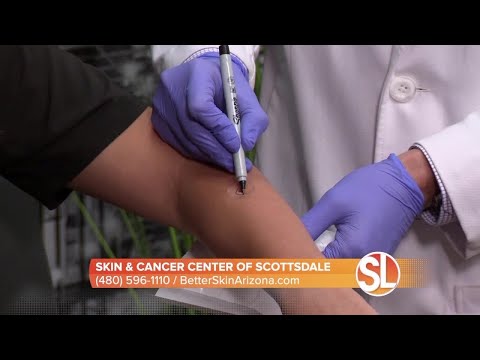
Hey there, friend! You know that feeling when you spot something weird on your skin? It could be just a new freckle, right? But what if it’s something more serious like melanoma?
Well, melanoma in situ is the early stage of skin cancer. And catching it early can make a huge difference. Seriously, we’re talking about life-saving stuff here! The cool thing is that we’ve got some pretty neat tech these days to help us spot it sooner.
From fancy skin scanners to AI technology, there’s so much innovation happening out there. It’s wild how far we’ve come in the fight against this sneaky disease. So, let’s dive into how these new tools are changing the game and helping us stay one step ahead of melanoma!
Early Detection Methods for Malignant Melanoma: A Comprehensive Guide
What’s the Deal with Melanoma?
Okay, so let’s chat about melanoma. It’s a type of skin cancer that can be pretty serious if caught late. The good thing? If you catch it early, the chances of successful treatment are way better. You know, like finding your lost keys before you’re late for work! So, how do we find it early? Let’s dive into that.
Know Your Skin
First things first, you gotta get familiar with your own skin. That means checking yourself out regularly. Look for any changes in moles or spots. If a mole looks weird or starts acting different—maybe it’s getting bigger or changing colors—it’s definitely worth mentioning to a pro.
ABCDE Rule
There’s this handy little trick called the ABCDE rule. It stands for:
- Asymmetry: One half doesn’t match the other.
- Border: Jagged or irregular edges.
- Color: Not one consistent color; maybe brown, black, red, white all together.
- Diameter: Bigger than a pencil eraser (about 6mm).
- Evolving: Something changing over time.
Keep an eye out for these signs!
The Cool Tech Stuff
Now, there are some seriously cool innovations happening in detecting melanoma early! Like imaging techniques that use artificial intelligence. Who knew machines could be so smart? They analyze photos of your skin and can help dermatologists catch things that might look sketchy.
Dermatoscopy
Ever heard of dermatoscopy? It’s like using a magnifying glass on your skin! This tool helps dermatologists to examine moles more closely without going all invasive on ya. It can help spot early signs that aren’t visible to the naked eye.
Skin Cancer Screenings
And don’t forget about regular skin cancer screenings! Getting checked out by a dermatologist is super important. They have all the tools and knowledge to look at your skin and take action if something seems off.
Your Skin’s BFFs
Last but not least, protect your skin like it’s your favorite pet! Sunscreen is key, folks! Use one with at least SPF 30 every single day—yes even when it’s cloudy!
So remember, keeping tabs on your skin is essential! Catching melanoma early can make a huge difference. And don’t forget to reach out to professionals if you’re ever in doubt; they’re the ones who really know their stuff! Stay safe and keep shining bright!
Cutting-Edge Technologies for Melanoma Detection: Innovations and Insights
So, let’s chat about melanoma, shall we? It’s a type of skin cancer that can be pretty serious if not caught early. But here’s the good news—there are some **cutting-edge technologies** popping up that make early detection way easier and more reliable.
First off, there’s this nifty thing called **dermatoscopy**. It’s like a magical magnifying glass that helps doctors take a super close look at your moles and skin spots. With it, they can spot changes that might be missed by just looking with the naked eye. That means if something looks a bit funky, it can be checked out sooner rather than later.
Then there are **AI-powered tools** coming into play. Seriously, AI is revolutionizing everything these days! Some smart systems analyze images of your skin and compare them to tons of other images to help identify potential melanomas. The tech might even catch things faster than some healthcare professionals—how wild is that?
You might also hear about **genetic testing** becoming more common, especially for people with a family history of melanoma. These tests can check for specific genes to see if you’re at higher risk. It’s not a crystal ball for what’ll happen next, but it definitely gives you some useful info.
Now onto other cool innovations: there are portable devices that let people check their own skin at home! You take a picture of your mole or spot using special apps, and then it gives feedback on whether anything seems off. It’s like having an instant second opinion in your pocket!
But listen, while these technologies sound awesome—and they really are—they don’t replace seeing a professional healthcare provider. Always chat with your doctor about any concerns you have regarding your skin or any new inventions you might want to try out.
So keep an eye on those moles! Early detection is key when it comes to melanoma, and thankfully we’re living in times where technology is really stepping up its game in helping us do just that.
- Dermatoscopy provides detailed views of moles.
- AI tools analyze images quickly and accurately.
- Genetic testing helps identify personal risk levels.
- Portable devices allow home monitoring of skin changes.
Stay smart about your skin health; you’ve got this!
Essential Guide to Detecting Melanoma in Situ: Early Recognition and Diagnosis
Hey there! So, let’s chat about something super important: recognizing melanoma in situ. You might be thinking, “What even is that?” Good question! Melanoma in situ is basically the early stage of skin cancer, where the dangerous cells are still just hanging out at the surface of your skin. It hasn’t spread anywhere else yet, which is a good thing!
Now, early detection is key here. The sooner you catch it, the better the chances are for a positive outcome. So how do you know what to look for? Here are some things to keep in mind:
- Observe moles and spots: Keep an eye on any moles, especially if they change size or color.
- Use the ABCDE rule: Look for Asymmetry, uneven Borders, multiple Colors, large Diameter (over 6mm), and any Evolution over time.
- Feel for changes: Sometimes a mole might feel itchy or hurt—those are signs to pay attention to.
I remember a friend of mine who noticed a tiny mole on his arm that seemed different one summer. At first, he thought it was just a weird sun spot—but then it started changing color. It was small but something felt off. Luckily, he went to get it checked out and caught it early!
With all this tech these days, there’s been some cool innovation around detecting melanoma too. There are apps now that can help analyze your skin spots using your phone camera! How wild is that? Seriously though, these tools can assist in keeping track of your skin health but shouldn’t replace regular check-ups with your healthcare provider.
Anyway, remember to check yourself regularly and don’t hesitate to reach out if something seems off. Just be sure to keep up with those professional skin exams too—they’re super important in catching things early!
Stay safe out there and take care of your skin!
Revolutionize Skin Health: The Ultimate Melanoma Detection App for Early Diagnosis
So, let’s chat about skin health, specifically about melanoma. You know that pesky skin cancer? Yep, it’s serious stuff. But here’s the good news: technology is giving us some seriously cool tools to catch it early. One of these innovations is an app designed for melanoma detection. Sounds fancy, right?
What’s the deal with this app? Well, it helps you keep an eye on your skin. You take pictures of your moles and spots, and the app analyzes them using some pretty nifty algorithms. It looks for changes that could indicate melanoma or other skin issues. Pretty wild, huh?
Key points about this tech:
- This kind of app can make tracking your skin changes super easy.
- You can compare new images with previous ones to see what’s going on.
- The technology behind it uses AI – think of it like a virtual skin detective!
Now, I remember a friend of mine named Sarah. She had a mole that she didn’t think much of until she started using one of these apps. The analysis showed some unusual changes over time. Long story short, she got it checked out early and caught a potential issue before it became serious! Isn’t that amazing?
But here’s the thing: while these apps can be helpful for monitoring your skin health over time, they’re not a replacement for seeing a healthcare professional. That’s super important! So always remember: if something looks odd or feels off, don’t just rely on your phone—get in touch with someone who knows their stuff.
The bottom line is simple: technology’s helping us stay more informed about our health than ever before. Just keep it realistic and pair tech with real-life check-ups!
So, let’s chat about melanoma in situ—it sounds all science-y, but stick with me. This type of skin cancer is basically the sneaky cousin of melanoma, hanging out in the top layer of skin. It’s not spreading yet, which is good news, right? Early detection is like finding a stitch in your favorite sweater before it unravels into a big hole.
I remember chilling with my friend Sarah at the beach one summer, and she suddenly got super anxious about a mole on her arm. It was slightly raised and kind of dark. She went to get it checked out just to be safe. Turns out it was fine—just a mole being dramatic—but that moment stuck with me. It showed how important it is to pay attention to your skin.
Now let’s get to the cool stuff! Technology these days has really leveled up when it comes to spotting trouble early on. Dermatologists are using fancy imaging techniques that can give them a deeper look without being invasive at all—think of it like having x-ray vision for your skin! There are apps too that let you track your moles over time. You take pics and keep an eye on changes. Seriously, how convenient is that?
And here’s something neat: artificial intelligence is getting involved! Some software can analyze images of moles and help doctors decide if they should worry or not. It’s kinda mind-blowing when you think about how much tech can help us stay informed about our health.
But hey, while this tech sounds awesome, remember that nothing beats having a doctor take a real look at things if you see something off on your skin or if something seems different—this isn’t about replacing healthcare professionals; they’re still crucial!
So anyway, whether you’re at the beach soaking up the sun or just lounging around at home, keep an eye on those moles! And don’t hesitate to get them checked out if you’re unsure—just like Sarah did. Early detection truly makes all the difference in catching melanoma in its tracks before it has a chance to cause more trouble down the line.
