

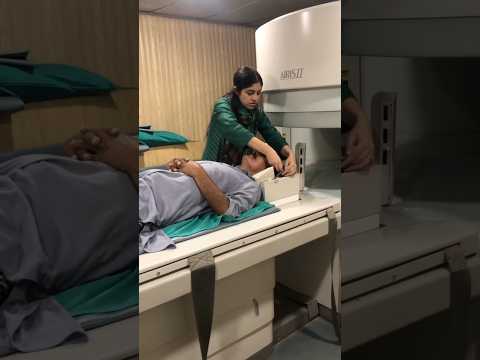
Hey there! You ever wondered what’s really going on in your brain? I mean, it’s kind of a big deal, right? Our brains are like the command center of our bodies, driving everything we do.
Well, guess what? Advanced MRI brain tests are shaking things up in the world of healthcare. They’re not just some fancy scans; they’re unlocking crazy insights into how our brains work and what might be wrong when things go haywire.
Imagine being able to see all those complex pathways inside your head! How cool is that? Plus, these tests can really help doctors understand stuff like injuries or diseases better than ever before.
So, if you’re curious about how these nifty machines are changing the game, hang tight! We’re diving into the fascinating world of advanced MRI brain tests today. Let’s get into it!
Exploring the Latest Advances in MRI Technology: Innovations and Implications for Medical Imaging
So, MRI technology has come a long way in recent years, and it’s pretty exciting! If you’ve ever had an MRI, you might remember that big tube and the loud clanging noises. But today’s MRIs are getting some serious upgrades that could make your next experience way more interesting—not to mention useful.
One of the coolest advancements is higher resolution imaging. Basically, this means the images produced are sharper and clearer than before. Imagine looking at a blurry photo of your best friend versus a crisp, perfect shot. That’s what higher resolution does for doctors trying to spot issues in the brain or other organs.
And here’s another neat thing: functional MRI (fMRI). This type of MRI doesn’t just take pictures of your brain; it actually shows how it works while you’re doing stuff like thinking or moving. It’s like peeking into a live-action movie instead of just flipping through still photos!
The speed of MRIs has also improved. New techniques can cut down on scan time significantly. You know how sometimes you’re stuck in that machine for ages? Well now, some scans can be done in just minutes! This is huge not just for patient comfort but also for keeping things running smoothly at hospitals.
Artificial intelligence (AI) is playing a role too! AI algorithms can help analyze the images more quickly and accurately than we ever thought possible. They can detect abnormalities and patterns that might go unnoticed by the human eye. It feels like having an extra pair of super-smart eyes on the job!
The implications of these advancements are big-time transformative. With better scans, quicker results, and precise analyses, doctors can make more informed decisions about treatment options or further testing without missing crucial details.
I mean, imagine someone finding out they have an issue much earlier because their MRI could pick up on small things that used to be hard to see. That could literally change lives!
The thing is, while these innovations sound fantastic—and they really are—remember that they don’t replace professional healthcare advice or diagnosis. Always chat with your healthcare provider about any concerns or questions you might have.
In summary, as MRI technology continues to evolve at such a fast pace, we’re opening doors to new levels of insight into our health! Isn’t it fascinating?
Exploring the Most Advanced Brain Scanning Technologies: A Comprehensive Overview
Brain scanning technology has come a long way, and it’s pretty fascinating how we can see inside our heads now. Got a healthy curiosity about what’s going on up there? Well, let’s break it down!
First off, there are a few advanced techniques we should talk about. Magnetic Resonance Imaging (MRI) is probably the most well-known. It uses strong magnets and radio waves to create detailed images of the brain. No radiation here, just the wonder of magnets! It helps doctors look at structures and find issues like tumors or signs of stroke.
Then there’s Functional MRI (fMRI). This one is super cool because it measures brain activity by detecting changes in blood flow. Basically, when a part of your brain is working hard, it gets more blood, and fMRI can pick that up! Imagine seeing which parts of your brain light up while you’re solving a puzzle or listening to music.
Another nifty tool is Positron Emission Tomography (PET). This scan involves a tiny amount of radioactive material, but don’t freak out—it’s safe! PET scans can show how your brain uses sugar (or energy) in real-time. It’s helpful in understanding conditions like Alzheimer’s.
Let’s not forget about Electroencephalography (EEG). This method uses electrodes placed on your scalp to measure electrical activity in the brain. It’s kind of like eavesdropping on your thoughts! Doctors often use EEG to study sleep patterns or diagnose conditions like epilepsy.
To put this all into perspective: imagine you’re a detective trying to solve a mystery in someone’s head. Each type of scan gives you different clues about what might be going on—like fingerprints at a crime scene!
So there you have it—advanced brain scanning technologies that are unlocking insights into our most complex organ. Remember though, these scans don’t replace professional healthcare advice; they simply help make sense of what’s happening inside our noggins.
You know, I’ve been hearing a lot about MRI brain tests lately and how they’re becoming more advanced. It’s kind of fascinating, right? I mean, just imagine this machine that can take super detailed pictures of our brains. It’s like having a high-tech camera that doesn’t just capture what you look like but shows what’s going on inside your head. Crazy cool!
I remember when my cousin had to get an MRI for some headaches. We were all nervous, thinking about what it could mean. But then we learned that these tests can help pick up on stuff like tumors, inflammation, and even those pesky migraines. It felt a bit mind-blowing to realize how much information is locked away in our brains and how these machines can help unlock it.
So, how do these advanced MRIs work? Well, they use powerful magnets and radio waves to create those detailed images. The cool part is that they can even distinguish between different types of brain tissue! This means doctors can have better insights into what’s going on up there. Pretty amazing when you think about it.
Now, while it all sounds super exciting—and it really is—I think it’s important to remember that these tests are just one piece of the puzzle. They give us information, sure! But they don’t actually tell us everything about how we feel or function day-to-day.
I guess what strikes me the most is the potential for hope here. With more accurate insights into our brains, people might find answers they’ve been searching for years or treatment options they never knew existed. That’s something worth celebrating! Just makes you appreciate science and technology a little more, doesn’t it?
Anyway, whenever I hear someone talk about MRI brain tests now, I can’t help but feel this mix of awe and curiosity about what’s happening inside those intricate organs we call brains—even if sometimes it’s a bit scary too!
