

Hey there! So, let’s talk about something that might make you go, “Wait, what?”—mucus discharge during pregnancy. Yes, it’s a thing!
You know how your body changes when you’re pregnant? It’s like a wild rollercoaster ride. Your hormones are dancing all over the place, and mucus is just one of those many surprises waiting for you. Some might find it gross; others might wonder if it’s normal. Spoiler alert: it usually is!
But don’t worry! We’re diving into this topic together, like two pals over coffee. We’ll explore what’s happening with that extra mucus and why it’s actually important for your growing baby. So, grab a comfy seat and let’s get into the nitty-gritty of this totally natural part of pregnancy!
Understanding Cervical Mucus: A Guide to Interpretation and Fertility Awareness
So, let’s chat about cervical mucus. Sounds a bit science-y, right? But honestly, it’s pretty cool and can tell you a lot about your body, especially when you’re thinking about fertility awareness. This is like your body’s little code that shows you what’s going on with your reproductive system. You know?
Every month, your body goes through changes due to hormones. Cervical mucus is one of those changes. It can vary in texture and color depending on where you are in your cycle. So here’s the lowdown:
- Menstrual Phase: Right after your period, there’s usually less mucus. It might feel dry down there.
- Follicular Phase: As you move deeper into this phase, you’ll notice some sticky or creamy mucus forming.
- Ovulation: This is when things get interesting! The mucus will likely become clear, stretchy, and slippery—kind of like raw egg whites. This means your body is gearing up for ovulation!
- Luteal Phase: After ovulation, the mucus will start to thicken again and may even become cloudy or white.
You might wonder why this matters? Well now, understanding these changes can help you figure out the best time for conception or just keep track of your cycle better. It’s like having a little cheat sheet for what’s happening inside!
A quick personal story: I remember when I first learned about this stuff. I was confused and a bit overwhelmed by all the terms floating around. But once I started paying attention to my own body’s signals—like the changes in my cervical mucus—it felt empowering! Suddenly everything started making sense.
If you’re trying to conceive or just want to know more about how your body works, monitoring cervical mucus can be super helpful. Just keep in mind that everyone’s different! So if there’s anything unusual or if you have questions that make you scratch your head—make sure to talk to a professional who can help out.
The thing is, understanding cervical mucus isn’t just for tracking fertility; it’s also about connecting with yourself and knowing what feels normal for you!
Understanding Cervical Mucus in Early Pregnancy: Key Insights and Changes
When it comes to early pregnancy, you might hear a lot about cervical mucus. It sounds a bit, um, gross? But understanding its role can actually be super helpful. So, let’s break it down.
First off, what is cervical mucus? Well, it’s the gooey stuff your cervix produces. It changes throughout your menstrual cycle and can tell us some things about what’s going on in your body. In early pregnancy, this mucus becomes more prominent.
Changes in Cervical Mucus in Early Pregnancy
When you get pregnant, your body starts to do some serious hormonal shifts. This affects your cervical mucus too! You might notice that it gets thicker and creamier than before. Some women describe it as similar to lotion or egg whites, but not in a gross way—it’s just part of the process.
Here are some key changes you might see:
- Your mucus may become clearer and stretchier during ovulation; this is normal.
- After conception, you could notice more of that creamy texture.
- Some women experience a bit of spotting along with the changes in mucus—this can be normal too.
This increase in cervical mucus plays a big role in keeping everything on track during pregnancy by helping protect the uterus from infections.
Now, I remember my friend Sarah when she was pregnant for the first time. She told me how weirdly obsessed she became with every little change her body went through—including the mucus thing! At one point she said, “I feel like I should start a diary for my discharge!” It made me laugh because we often don’t talk about these things openly.
Anyway, while changes in cervical mucus can be totally normal indicators of early pregnancy, always keep in mind that every woman’s body is different. So if something feels off or you’re worried? Just reach out to a healthcare professional who can give you some solid advice.
Remember: staying informed is key! That way you can focus on all the exciting moments ahead rather than worrying about what’s happening down there.
Understanding Discharge After Ovulation: Signs of Early Pregnancy
So, you’re curious about what’s going on with your body after ovulation? You’re not alone! Many people wonder about discharge and how it can signal early pregnancy. Let’s break it down in a way that’s easy to understand.
After you ovulate, your body goes through some changes. One of those is an increase in cervical mucus. This is totally normal and can vary from person to person. It might be sticky, creamy, or even watery. But here’s the thing: if you think you might be pregnant, paying attention to your discharge can give you some clues.
Here are a few things to consider:
- Your discharge may become thicker and creamier after ovulation if pregnancy occurs.
- You might notice a slight change in color; sometimes it can get a little more white or off-white.
- Some people experience light spotting known as implantation bleeding when the fertilized egg attaches to the uterus—this can happen around a week after ovulation.
I remember when my friend Sarah was trying to conceive. She became super attentive to her body after ovulation. One day, she noticed her discharge changed and she got all excited because it felt different than before! Turns out it was just her body being its quirky self—but hey, it made her hopeful!
If you notice changes in your discharge after ovulation, don’t jump to conclusions right away. Remember that many factors can affect cervical mucus, like stress or hormonal fluctuations. And while signs like these are interesting indicators, they’re just clues—not certainties!
In summary:
- After ovulation, changes in discharge can happen due to hormonal shifts.
- Thicker or creamier mucus could be a sign of early pregnancy but isn’t definitive.
- If you’re wondering about your symptoms or health concerns, reaching out to a healthcare professional is always the best move!
So there you go! With all these little signs going on in your body, just remember: staying aware of what’s normal for you is important. And don’t forget—always keep the lines open with your doctor for any questions that pop up along the way!
Understanding Cervical Mucus in Early Pregnancy: A Visual Guide
So, let’s talk about cervical mucus during early pregnancy. It’s one of those things that don’t usually get much attention, but it can actually say a lot about what’s going on in your body. Have you ever noticed how this stuff changes throughout your cycle? Well, it doesn’t stop once you’re pregnant!
First off, what is cervical mucus? Basically, it’s a fluid produced by glands in the cervix. Its texture and amount can change based on hormonal shifts. When you’re not pregnant, it helps sperm reach an egg. But when you’re expecting, it kind of transforms into a protective barrier.
Here are some key points about cervical mucus in early pregnancy:
- Increased volume: Many people notice more cervical mucus after conception. It’s like your body’s way of saying, “Hey! Something’s happening!”
- Color and consistency: Early pregnancy mucus often appears creamy or thick and can be white or clear. It might even feel a bit sticky!
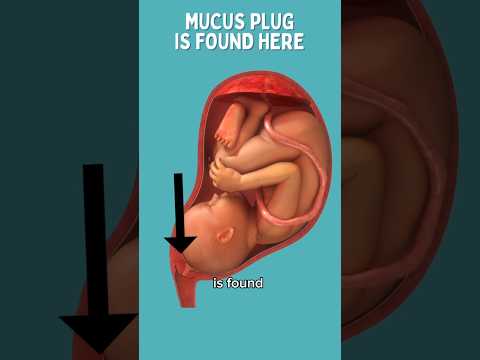
- Protection: This mucus forms a plug that seals the cervix to help protect the baby from infections.
- No need for panic: If you notice changes in your mucus—like more dryness or other unusual colors—don’t freak out! These changes can happen for many reasons.
I remember when my friend was pregnant and started to track her cervical mucus. She got super excited about all the little changes! She said it felt like her body was telling her a secret about this new life growing inside her. It’s pretty wild how those tiny details can make such a big difference.
Remember, though: while tuning into your body is important, what you see in your discharge isn’t something to diagnose or worry over yourself. Always chat with a healthcare professional if you have questions or concerns!
At the end of the day, knowing what to look for with cervical mucus can make this whole pregnancy ride even more fascinating. So pay attention—it might just surprise you!
You know, pregnancy is such a wild ride, right? One moment you’re glowing, and the next you’re dealing with all sorts of weird bodily changes. One thing that often confuses soon-to-be moms is mucus discharge. Yep, it’s a topic that can make people squirm a bit, but it’s completely normal and interesting when you dig into it.
So, let’s break it down! Mucus is like that unsung hero of your body. During pregnancy, your body ramps up mucus production for several good reasons. It helps protect the baby and keeps everything in the reproductive system functioning smoothly. Think of it as nature’s way of creating a cozy and safe environment for your little one.
I remember my friend Sarah when she was pregnant—she was totally thrown off by the changes in her discharge. At one point, she panicked thinking something was wrong! But once we chatted about it and did a little research together, she felt so much better knowing this was just part of the process. It’s funny how something that can feel so alarming is actually quite natural!
Now, not all mucus is created equal. You might notice changes in color or consistency throughout your pregnancy—sometimes it’s thick and white; other times it can be clear and stretchy like egg whites. Sounds kind of gross, I know! But it’s all part of the hormonal dance happening in your body.
And speaking about hormones—let me tell you—the surge of hormones during pregnancy affects everything from how you feel emotionally to how much mucus you’re producing. It’s like your body has its own science experiment going on!
If you’re wondering whether to worry about any sudden changes in mucus discharge, well now that’s where things can get tricky. While most changes are perfectly normal, if anything seems off or you’re feeling uncomfortable (like itching or an unusual smell), reaching out to a healthcare professional is always the best route.
In recent years, there’s been some interesting innovation around tracking pregnancy symptoms digitally with apps and tech tools—it makes sharing those concerns easier too! No more guessing games about what’s “normal” or “not normal.” You can just hit up an app whenever something feels off.
At the end of the day, understanding what’s happening with your body during this amazing journey can really help ease some anxieties. So if you find yourself questioning those curious little discharges—you’re not alone! Embrace this phase with an open heart (and maybe some tissues!).
