

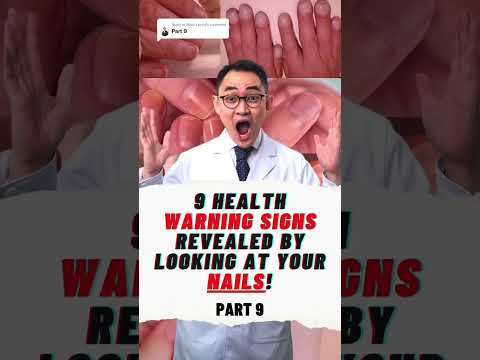
Hey there! So, you know nails, right? They’re often just an afterthought for most of us. You get them done, keep ‘em neat, and then move on with life. But here’s the catch—did you know that your nails can actually tell a deeper story? Yeah, seriously!
Nail cancer might not be the first thing that pops into your head when you’re sitting at the salon. But it’s a thing, and catching it early can make a huge difference. So, what if I told you that there are some pretty cool innovations happening to help spot this sneaky type of cancer before it gets out of hand?
Stick with me for a bit! We’ll dive into what nail cancer really is and how some fancy new tech is stepping up in the early detection game. Trust me; it’s more fascinating than it sounds!
Detecting Nail Cancer: Key Signs, Symptoms, and Diagnostic Methods
Hey there! So, let’s chat about something kinda serious but super important: nail cancer. It’s one of those things that not everyone thinks about, right? But catching it early can really make a difference.
Nail cancer isn’t as common as other types of cancer, but it can happen. The thing is, you may not even realize something’s off. So, let’s go over some key signs and symptoms to watch out for.
- Changes in Color: One of the first things you might notice is weird discoloration on your nails—like a dark spot that just doesn’t seem right.
- Nail Growth Issues: If your nail starts growing oddly or has a rough texture, that could be a red flag.
- Pain or Swelling: Feeling pain around your nail area or noticing swelling? Don’t ignore it!
- Bleeding or Discharge: If your nail is bleeding or there’s an unusual discharge, it’s definitely time to take notice.
I remember when my friend discovered a strange patch on her nail. At first, she thought it was just a bruise from hitting it against something. But when it didn’t heal after weeks, she decided to check it out with a pro. Thankfully, everything turned out fine! But hey, being proactive helped her sleep better at night.
If you notice any of these signs, diagnosing the issue usually involves a few steps. Health professionals might start with a physical exam to look for abnormalities. They might also do some tests like:
- A biopsy, where they take a small piece of the tissue to check if there are any cancer cells.
- X-rays if there’s concern about the bone underneath the nail.
It’s super important to know that these methods only help give more insight into what’s going on beneath the surface (literally!). Of course, if you ever have concerns about your nails or anything else health-related, always chat with a healthcare professional!
The key here? Stay informed and don’t hesitate to seek help if something feels off! Alright? So take care of those claws!
Unveiling the Causes: What Accounts for 90% of Melanoma Cancer Cases?
Oh boy, melanoma. It sounds scary, right? Well, it’s actually a type of skin cancer that can be super serious if not caught early. So, what causes about 90% of melanoma cases? Let’s break it down.
First off, the big bad guy here is ultraviolet (UV) radiation. This sneaky little thing comes mostly from the sun and tanning beds. Getting too much sun exposure can really increase your chances of developing melanoma. Think about that time you forgot to put on sunscreen and ended up looking like a lobster—ouch! Your skin remembers those sunburns.
And then there’s your genetic makeup. If you’ve got a family history of skin cancer or have certain genes that make you more susceptible, you might want to pay extra attention to your skin health. It doesn’t mean you’re doomed; it just means you should keep an eye out.
Another factor is having lots of moles or atypical moles. If your skin resembles a dot-to-dot game with not-so-normal-looking spots, it could be a red flag. Your dermatologist can help monitor those pesky little guys.
Let’s not forget age and skin type! Fair-skinned people tend to have a higher risk because their skin has less melanin, which is what gives color and offers some protection against UV rays. Younger folks can get melanoma too, but it tends to pop up more often in older adults.
Lastly, environmental factors like exposure to chemicals or being in sunny places for extended periods can play a role as well. Who wants to be in danger from something we can’t see?
So yeah, those are some of the main players behind most melanoma cases. Always remember that keeping an eye on your skin is super important! Regular check-ups with your doc are key; they can help catch anything unusual early on.
Anyway, just keep that sunscreen handy and maybe skip the tanning bed next time—your future self will thank you! Your health matters; never hesitate to reach out for professional advice when needed because I’m not here to replace them but just share some friendly info!
Understanding the Cancer Warning: The Risks Associated with Nail Products
It’s no secret that we all love to pamper ourselves with a fresh manicure. Nothing says “I care” quite like polished nails, right? But here’s the thing: some nail products can carry risks you might not know about. Nail cancer—yes, it exists—and it’s worth talking about the potential dangers lurking in those cute little bottles.
First off, what are the culprits? Here are some common ingredients in nail products that could raise eyebrows:
- Formaldehyde: It’s a preservative found in many nail polishes and hardeners. Long-term exposure might be linked to health issues.
- Toluene: This one gives you that smooth application. However, inhaling too much can affect your nervous system and potentially impact your health.
- Dibutyl Phthalate (DBP): Frequently used for flexibility, this chemical has raised concerns about its effects on reproduction.
So picture this: You just finished a relaxing day getting your nails done. The smell of polish fills the air, but did you know that strong chemical scents could be more than just an inconvenience? Prolonged exposure to these chemicals might have some risk factors when it comes to cancers like skin or nail malignancies.
It’s super important to note that researchers are working on innovations in early detection of these kinds of cancers. They’re trying to come up with better ways to catch problems before they become serious. But remember, none of this replaces actual healthcare advice from professionals!
Another point is how some people have more sensitive skin or allergies. For them, certain products could trigger reactions ranging from itchy rashes to serious health concerns. So if you notice any weird things happening while using new nail products—or even after visits to salons—don’t shrug it off! It’s always good to consult someone who knows their stuff.
In wrapping it up, loving your nails is totally cool and fun! Just be aware of what you’re putting on them and take care of your body in the process. The risks might seem small at first glance but staying informed keeps you one step ahead! So next time you’re at the salon or checking out new colors online, keep these points in mind; they could make all the difference.
Understanding Subungual Melanoma: Symptoms, Diagnosis, and Treatment Options
Hey there! Let’s chat about something that, while it might sound a bit scary, is super important to know about: subungual melanoma. This is a type of skin cancer that can appear under your nails. Yeah, under your nails! It’s not the most common kind of cancer, but understanding it can really make a difference.
So, what should you look out for? Here are some symptoms:
- A dark stripe or spot underneath your nail that seems to grow.
- The nail might become discolored.
- You could see changes in the shape or texture of the nail.
- Sometimes, pain or tenderness in that area can show up too.
If you ever notice any of these symptoms, it’s crucial to get them checked out. Seriously, don’t just brush it off. A doctor can help with the next steps. Now let’s talk about how they actually figure this out—this is where the diagnosis part comes in.
Your doc might start with a physical exam. They’ll look at your nails and surrounding skin closely (which can feel a bit uncomfortable for sure). If they suspect something’s off, they may do a biopsy. That means they take a small sample of tissue to test for cancerous cells. It sounds intense, but it’s pretty routine!
Now onto treatment options. Depending on how advanced it is, treatment could involve:
- Surgery to remove the affected nail and some surrounding tissue.
- Chemotherapy (yep, that one) if it’s more serious—this helps tackle any sneaky cells hiding out.
- Immunotherapy might be an option too—it helps your body fight back against those unwanted cells!
I remember when my friend Lily found out she had subungual melanoma. She was super scared at first; who wouldn’t be? But once she got her diagnosis and started working with her doctor on a treatment plan, she felt way more in control. It just shows how staying informed can help you handle these situations better!
The thing is, early detection is key here. So if anything seems off with your nails or skin around them, don’t ignore it! Talk to someone who knows their stuff—after all, knowledge is power.
This isn’t meant to replace advice from healthcare professionals; think of this as just some friendly info to keep in mind!
Hey there! So, let’s chat about something that’s kinda serious but super important—nail cancer. I mean, we don’t really think about our nails being a potential spot for cancer, right? But here we are. It’s one of those things that can slip under our radar because, honestly, who checks their nails for signs of trouble that often?
A while back, my friend Lisa noticed a weird spot on her nail. At first, she thought it was just a bruise or something that would fade away. But after some poking and prodding (and probably too much scrolling through Google), she decided to get it checked out. Turns out it was nothing serious; just a fungal infection—but boy, did it make us both realize how easy it is to overlook our nail health!
So what’s the deal with nail cancer? Well, like other skin cancers, it can develop pretty silently at first. Most people might not know what to look for—freaky colors or changes in texture could be your body saying “Hey! Pay attention!” Early detection is key; catching any weird changes early can make a massive difference in outcomes.
Now here’s the interesting part: there’ve been some cool innovations popping up for early detection. For instance, researchers are working on nifty technologies that can help identify abnormal cell growth before they turn nasty. I mean, imagine getting your nails checked with a quick scan instead of the usual tedious biopsy? So much simpler!
And while this tech stuff sounds awesome and futuristic (yes please!), it’s also super vital to keep an eye on your own body and not wait until something seems off. There are lots of resources out there now—like apps that remind you to check in with yourself regularly.
I guess the takeaway here is to be proactive. Check your nails every now and then—it’s like self-care but with extra awareness! Plus, staying informed is always better than being in the dark when it comes to health stuff.
So next time you’re chilling and notice something funky with your nails—don’t brush it off like Lisa almost did! You never know when an early check-in could save you some big headaches later on down the line. Anyway, keep taking care of yourself—it totally matters!
