

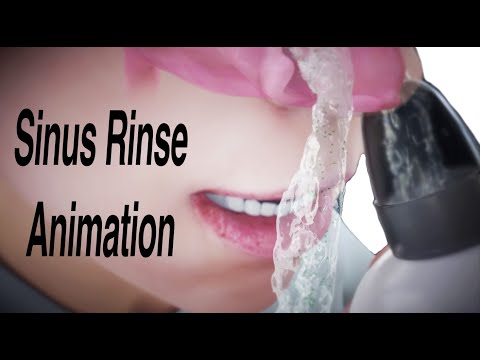
Hey there! Have you ever felt like your nose is stuffed up, like it’s a party and you’re not invited? Yeah, I’ve been there too. It’s super annoying, right?
Well, here’s a cool little trick that might just change your game: nasal irrigation. Sounds fancy, huh? But trust me, it’s way simpler than it sounds. Imagine being able to breathe easier and feel fresher—it’s like giving your nose a spa day!
In this chat, we’re diving into the world of nasal irrigation solutions. You’ll learn what it is, how it works, and why so many people are raving about it. So grab a comfy seat because things are about to get interesting!
Daily Nasal Irrigation: Benefits, Risks, and Recommendations
Nasal irrigation is like giving your nose a little spa day. You know, flushing out all that gunk that builds up. It’s been around for ages, but lately, it’s gained attention for its potential benefits. But hey, let’s break it down.
What is Nasal Irrigation?
Essentially, it’s when you rinse your nasal passages with a saline solution. Think of it as a gentle rinse to clear out mucus and allergens. You can use a neti pot or a squeeze bottle—whatever floats your boat!
Benefits
People say nasal irrigation can help in several ways:
- It might reduce congestion and make breathing easier.
- Some folks find relief from allergy symptoms.
- You could possibly lessen the frequency of sinus infections.
- It helps keep the nasal passages moist, which is especially nice in dry environments.
You know what’s funny? I had a friend who was always struggling with allergies. After trying nasal irrigation for a bit, she said she felt like she could actually smell flowers again! How cool is that?
Risks to Consider
Of course, not everything’s sunshine and rainbows. There are some risks you should be aware of:
- If you’re not using sterile water or saline solution, you could introduce germs into your system.
- Improper technique can cause discomfort or even ear issues.
- Overdoing it might lead to irritation in your nose.
So, be careful! It’s important to use clean water and follow instructions if you decide to give this a whirl.
A Few Recommendations
If you’re interested in trying nasal irrigation, here are some things to keep in mind:
- Always use distilled or sterile saline solutions—your nose deserves the best!
- You might wanna start slow—once a day is usually fine at first.
- If something doesn’t feel right or makes you uncomfortable, stop and chat with a healthcare professional.
At the end of the day, nasal irrigation could be an interesting addition to your health routine. Just remember it’s not meant to replace any advice from pros—think of it as one tool in your toolkit! So if you’re curious about giving those nostrils some love, why not explore this further?
Understanding the Outputs of Nasal Irrigation: What to Expect and Why It Matters
Nasal irrigation might sound a bit fancy, but it’s really just a way to clear out your nose using a saline solution. You probably know it as that process where water flows through one nostril and comes out the other. Sounds wild, right? But trust me, many folks swear by it!
So, what exactly can you expect from nasal irrigation? Well, first off, you’ll be flushing out all that gunk—like dust, pollen, and mucus—that can make your sinuses feel stuffy. People often say they feel more refreshed afterward. That’s because the saline solution helps keep things moist and clean.
Now let’s talk about the outputs! When you start doing nasal irrigation, don’t be alarmed if you notice some pretty interesting results. It can include:
- Clear mucus: This means you’re getting rid of those annoying blockages.
- Color changes: Sometimes mucus might be yellow or green if there’s an infection or inflammation.
- Unpleasant odors: You might notice a smell – this could indicate trapped bacteria.
It’s all kinda normal! Just think of it like cleaning out your room; things get messy before they get tidy.
Why does it matter? Well now, when you keep your nasal passages clear, it can help with breathing easier and maybe even sleeping better—who doesn’t want that? And for those suffering from seasonal allergies or colds? It can be a real game-changer. But remember: everyone is different! What works wonders for one person might not have the same effect on another.
That said, always take care to use clean equipment and follow guidelines on how to do this safely. If something feels off or doesn’t sit right with you afterward, chat with someone who knows their stuff. Your health routine is yours to design!
Understanding the Risks: The Dangers of Sinus Rinses Explained
So, you’ve probably heard about sinus rinses, right? A lot of folks rave about them. They’re supposed to help clear out nasal congestion and make breathing easier. Sounds great, doesn’t it? But hang on a minute! There are some risks involved that you should be aware of.
First off, let’s chat about the equipment. Using a *neti pot* or a squeeze bottle can seem super simple. Just fill it up with saline solution and rinse away! But keep in mind: if these tools aren’t cleaned properly, they could introduce bacteria or even nasty parasites into your system. Gross, I know!
Here are some key things to consider:
- Always use distilled or boiled water for your sinus rinse. Tap water can contain contaminants!
- Make sure to clean your nasal irrigation device regularly.
- If you have pre-existing conditions like autoimmune diseases, consult with a healthcare professional before trying this.
Now, there was this one time my friend Dave thought he’d give nasal rinsing a shot after catching a cold. He used tap water (oops!), and not only did it not help his symptoms but he ended up feeling worse for days! His sinuses were all wonky because of some bacteria he unknowingly introduced.
And also, there’s the risk of overdoing it. You might think more is better, but too much rinsing can actually irritate the delicate tissues in your nose and might lead to further issues.
So, while nasal irrigation can be helpful for many people, remember that it’s not without potential dangers—especially if you don’t follow proper guidelines. Stay informed and always reach out to someone who knows their stuff before diving in! You’re the best judge of what works for you.
Optimal Times for Nasal Rinsing: Enhance Your Routine for Better Results
Nasal rinsing, or nasal irrigation, is something a lot of people are getting into these days. You know, it’s that thing where you flush out your nostrils with saline solution to clear out gunk and stuff. Honestly, it might sound a bit weird at first, but once you get the hang of it, it can really help with your breathing and sinuses. So let’s chat about the best times to do this for maximum benefit.
First off, morning is a super good time for nasal rinsing. Think about it— after a night’s sleep, your body has been busy doing its thing. Allergens and mucus can build up overnight. A quick rinse in the morning helps clear everything out so you can breathe fresher air right away.
Then there’s before bed. Rinsing at night can also be helpful. It clears out dust or pollen that might have sneaked into your nose during the day. Plus, it sets you up for better sleep since you’re less likely to wake up feeling congested.
You might also want to consider rinsing after exercise. When you’re breaking a sweat, you’re breathing harder and sometimes inhaling all sorts of stuff from the air. A post-workout rinse can be refreshing and help keep those nasal passages clean.
Of course, if you’re dealing with allergies or cold symptoms— well now— that could be another good reason to rinse more often than usual! It won’t make everything go away but could definitely help manage some of those annoying symptoms.
Lastly, always remember that this isn’t a replacement for professional healthcare! It’s just one way to support your daily routine and maintain a bit more comfort in your life. So, if you’re thinking about trying nasal rinsing or making it part of your routine, start by finding the times that feel best for you!
You know, I remember the first time I heard about nasal irrigation. It was during a family dinner, and my cousin was raving about it like it was some sort of holy grail for health. At first, I thought he was crazy—who would want to pour water up their nose? But then again, I was the one who couldn’t breathe through my nose half the time because of allergies, so I figured, why not give it a go?
Nasal irrigation is basically a way to clear out your nasal passages. Imagine flushing out all that gunk—dust, pollen, or whatever else you’ve picked up during the day. Sounds refreshing, right? You can use saline solutions or even just plain water (though saline is usually recommended). The process is pretty simple: you fill up a device (like a neti pot or squeeze bottle), tilt your head to one side and let it flow through one nostril and out the other. Gross? Maybe! But also kind of cleansing.
What really blew my mind was how much clearer everything felt afterward. Like suddenly the world was in HD! Seriously though, after doing this regularly—as weird as it sounds—it actually became part of my self-care routine. It’s like brushing your teeth but for your nose!
Of course, if you’re thinking about trying it out too, always remember that it’s not a substitute for any medical advice or treatment you might need. Make sure to do some research or talk to someone who knows their stuff!
The beauty of nasal irrigation is how it kinda connects you back to your body and breathing—something we often take for granted. It’s just amazing how something so simple can have such an impact on overall comfort and well-being. Anyway, if you’re struggling with allergies or just feel kinda stuffy all the time, maybe give this a shot! You never know; it might revolutionize your health routine just like it did for me!
