

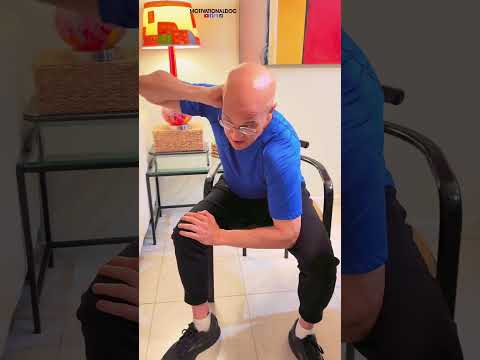
Hey there! So, let’s talk about rhomboid pain. You know, that nagging ache right between your shoulder blades? Yeah, that one. It can really throw a wrench in your day, can’t it?
Honestly, I’ve been there. Picture this: you’re sitting at your desk, working away, and suddenly—bam! That tightness creeps in like an unwanted guest. Ugh! It’s frustrating!
But here’s the good news: with smart tech solutions out there today, you can find some relief. Seriously! Whether it’s cool apps or nifty gadgets, there are ways to help ease that discomfort without breaking the bank or spending hours at the chiropractor.
Stick around as we dive into some of these modern marvels that might just be the answer to your rhomboid woes!
Understanding the Root Causes of Rhomboid Pain: Insights and Solutions
So, rhomboid pain, huh? It’s that annoying ache in your upper back, between your shoulder blades. It can really get in the way of your day-to-day life. But what causes it? Let’s break it down!
The rhomboid muscles are located at the top of your back, connecting the spine to your shoulder blades. They help you move your arms and keep good posture. When these muscles get strained or tense, you feel discomfort. Here are some common reasons why:
- Poor Posture: Hunching over a phone or computer can put a lot of strain on those muscles.
- Overuse: Doing repetitive movements at work or during exercise can lead to tightness.
- Injury: A sudden twist or lift can cause pain too, like when you try to impress someone by lifting something heavy!
- Stress: Stress tends to make us tense up, especially in our shoulders and back.
You know, I once had this friend who was super into gaming. He’d spend hours hunched over his console and ended up with gnarly rhomboid pain. It made him grumpy! He finally decided to pay attention to his posture, took some breaks, and started stretching. It worked wonders for him!
Okay, but how do we deal with this pain once we understand what’s causing it? Well now, tech solutions are popping up everywhere! You might consider:
- Posture Correctors: These smart devices remind you when you’re slouching.
- Massage Tools: Some gadgets target those tight spots directly.
- Apps for Stretching: There are tons of apps that guide you through stretches specifically for upper back relief.
The bottom line is understanding the root causes of rhomboid pain helps you tackle it head-on! And remember that while tech can assist in relief, it doesn’t replace chatting with a healthcare pro if things get tough. Keep an eye on that posture and find what works for you!
The Ultimate Guide to Effective Medications for Rhomboid Muscle Pain Relief
Rhomboid muscle pain can be a real nuisance, right? That tightness between your shoulder blades sometimes feels like an unwelcome hug that just won’t let go. Let’s chat about some ways you could find relief, while keeping things super casual and easy to understand!
First off, it’s important to know that the rhomboid muscles play a pretty big role in how we move our shoulders. If they get tense or injured, it can lead to discomfort. Sometimes it’s from bad posture or sitting too long. Sound familiar?
When you’re looking for **relief**, consider some common over-the-counter medications. They can ease down inflammation and help with pain. Here’s a rundown of some options:
- Nonsteroidal anti-inflammatory drugs (NSAIDs) like ibuprofen or naproxen are pretty popular. They help reduce swelling and pain.
- Acetaminophen is another option for pain relief but doesn’t really tackle inflammation as much as NSAIDs do.
But wait! It’s not just about popping pills. You might wanna think about **smart tech solutions** too. There are now devices out there that use heat or electrical impulses to help relieve muscle tension.
- Heating pads can soothe sore areas—just make sure you don’t fall asleep with one on!
- TENS units, which stand for transcutaneous electrical nerve stimulation, send small electrical currents to the muscles to reduce pain perception.
And let me tell you: the other day, my friend Sarah had this gnarly rhomboid pain after long hours at her desk, right? She tried a heating pad while catching up on her favorite show and said it made such a difference! Just goes to show how little changes can really help.
So remember: combining medications with modern tech might just be your best bet for dealing with rhomboid muscle pain, but always listen to your body! And if things get too tough, reaching out to a healthcare professional is key—they’ve got the real know-how.
Taking care of your muscles matters because once they feel better, you’ll be back doing what you love in no time!
Exploring the Benefits of Massage Guns for Relieving Rhomboid Pain
Massage guns have become super popular in the world of fitness and recovery. If you’ve ever experienced that annoying rhomboid pain, you might be wondering if these gadgets can help. Well, let’s chat about it!
First off, your rhomboids are those muscles between your shoulder blades. When they get tense or strained, they can cause some pretty uncomfortable pain. You know that feeling when you just can’t get comfortable? Yeah, not fun.
So how do massage guns fit into this picture? Well, they use rapid bursts of pressure to target sore spots and tight muscles. This is known as percussive therapy—kind of like a mini massage on steroids! It’s like having a personal masseuse right at home.
Here are some potential benefits of using massage guns for rhomboid pain:
- Increased Blood Flow: The vibrations help boost circulation in the area, which can promote healing.
- Reduced Muscle Tension: Those fast taps can help ease tightness and ease discomfort.
- Improved Range of Motion: By loosening up those muscles, you might find it easier to move without pain.
- Convenience: You can use it whenever you want! No need for appointments or travel.
A friend of mine was dealing with constant discomfort from her rhomboids after hours hunched over her computer. She decided to give a massage gun a try. After just a few minutes of using it on her back, she felt way more relaxed! She couldn’t believe how much better she felt. It was like a weight was lifted off her shoulders—literally!
Just remember, while these gadgets may feel amazing and offer some benefits, they’re not substitutes for professional healthcare. If you’re facing chronic pain or anything serious, chatting with a healthcare provider is always the best bet.
So there you have it! Massage guns could be cool tools to help with rhomboid pain relief if used correctly. Just keep things in perspective and enjoy the ride towards feeling better!
Effective Techniques for Rhomboid Knot Release: Alleviate Muscle Tension and Discomfort
Hey there! If you’ve ever felt a nagging ache between your shoulder blades, you might be dealing with what’s known as rhomboid knots. These little troublemakers can really put a damper on your day, right? Let’s chat about some effective techniques to give those tight muscles some relief.
First off, it’s important to understand where the rhomboids are located. They’re those muscles that connect your shoulder blades to your spine. When they get tight, it can lead to discomfort and tension. Sometimes stress or long hours at a desk can make things worse—trust me, I’ve been there!
Here are a few techniques that might help ease that knotty feeling:
- Stretching: Simple stretches like reaching both arms out in front and clasping your hands can be super helpful.
- Foam Rolling: Using a foam roller on the area might feel like magic! Just roll gently over the knots, and breathe through it.
- MyoRelease Tools: There are these cool devices out there that use vibration to target muscle tension. They can feel like getting a mini massage!
- Icing: A cold pack or an ice cube wrapped in a towel can help reduce inflammation if your muscles are really sore.
The thing is, everyone’s body reacts differently. What works for one person might not work for another. So, experiment a little with these techniques and see what feels best for you!
I remember one time after an intense week at work, I felt like I had rocks under my shoulder blades. Ouch! I decided to try some stretches and myo-release tools—and wow! It made such a difference in how I felt.
No matter what technique you choose, always listen to your body. If something doesn’t feel right, don’t hesitate to seek advice from a healthcare professional. This isn’t about replacing professional care but rather finding what helps you feel more comfortable in your skin.
So next time you’re feeling tense up top, give one of these methods a whirl! You deserve some relief.
Have you ever felt that annoying ache between your shoulder blades? Yeah, that’s what you call rhomboid pain, and trust me, it can really get on your nerves. I remember this one time after a long day at work, sitting hunched over my laptop with my shoulders in a knot. I finally stood up, stretched, and—oh boy!—it was like a tight band had been wrapped around my upper back. Ouch!
Anyway, so here we are in this tech-savvy world where there seems to be an app for everything! And believe it or not, technology has stepped up its game to help us deal with those pesky aches and pains, like rhomboid discomfort. You might be wondering how that even works? Well now, let me break it down for you.
For starters, we’ve got things like smart posture correctors. These little gadgets can actually remind you to sit up straight when you’re slouching over your device. Pretty cool, right? It’s almost like having a personal trainer whispering in your ear to keep good form. Plus, there are apps out there that guide you through stretches and exercises right from your phone—talk about convenient!
And then there are the massage chairs that use all sorts of fancy tech to pinpoint exactly where you’re hurting and give just the right pressure. It’s honestly like having a professional masseuse at home without the hefty price tag! You can just kick back after a long day and let the chair work its magic.
You know what’s also great? Virtual reality! Some programs let you immerse yourself in guided relaxation sessions or yoga classes while tracking your body’s movements to ensure you’re nailing those stretches just right. It feels kind of futuristic but super helpful.
But hey, while all this gadgetry is fantastic—no doubt about it—it doesn’t replace the good ol’ advice of stretching regularly or taking breaks when you’re glued to your screen. Remember that time I mentioned feeling all knotted up? Yeah, stretching saved me then!
So if you’re dealing with rhomboid pain right now—or honestly any kind of discomfort—it might be worth exploring some of these smart tech solutions out there today. Just take what works for you and combine it with some classic self-care practices; your back (and future self!) will thank you later. Just don’t forget: no gadget can replace listening to your body!
