

Hey there, new parents!
So, your little bundle of joy just spewed all over you, huh? Yup, I’ve been there too! It’s totally normal to feel a rush of panic. I mean, what’s up with all that baby vomit?
Well, let’s chat about it. Understanding newborn vomiting isn’t just about wiping up the mess; it’s super important for your peace of mind. You’ll learn what’s typical and when to raise an eyebrow.
Trust me, you’ll want all the insights to keep your baby happy and healthy (and you clean!). Ready? Let’s dive in together!
Understanding the Most Common Causes of Vomiting in Newborns: A Comprehensive Guide
Okay, let’s talk about something that can be a bit unsettling for new parents: newborn vomiting. You might be wondering why it happens and what could be causing it. So, I’m here to break it down for you in simple terms.
First off, vomiting in newborns is somewhat common. It can happen for various reasons. Let’s dive into some of the usual culprits:
- Overfeeding: Newborns have tiny tummies. If they drink too much milk too quickly, their little bodies might just reject it.
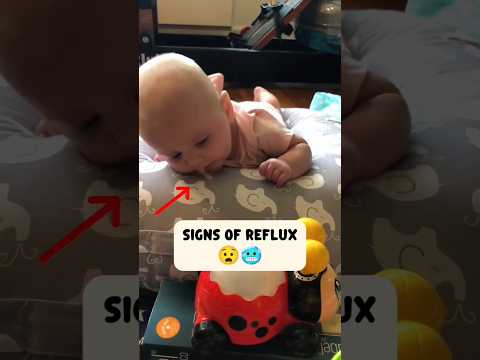
- Reflux: This is when the milk comes back up from the stomach because of a weak muscle at the top of the stomach. Imagine that feeling after a big meal! It’s uncomfortable.
- Infections: Sometimes, if they have a cold or a tummy bug, their bodies react by vomiting. It’s like saying “Hey, something’s not right here!
- Allergies or Intolerances: If your baby has a sensitivity to certain foods—like dairy—it could lead to some pretty drastic reactions including vomiting.
- Swallowing Air: When babies gulp air while feeding, it can cause gas and pressure in their tummies. The body’s reaction? You guessed it: up it comes!
I remember when my friend had her first baby. One day she called me totally freaked out because her little one spit up right after every feeding! She thought she was doing everything wrong. But after chatting with her pediatrician, she learned that it was just part of baby life—totally normal!
If you notice your newborn occasionally throwing up, don’t panic! Most times it’s not serious and will pass as they grow older. Just keep an eye on things like how often it’s happening and if they’re happy otherwise.
The key takeaway? While some degree of vomiting is common in infants, make sure to check in with healthcare professionals if you’re ever unsure or if there are signs of distress. Better safe than sorry, right?
In the end, parenting brings enough surprises; let those little vomits be one of those moments where you can just shrug and say “It’s all part of the journey!
Understanding Newborn Screening: A Comprehensive Guide for Parents
So, let’s chat about newborn screening. You might be wondering, “What on earth is that?” Well, it’s a series of tests done right after your baby is born, usually before they leave the hospital. The goal? To catch any potential health issues early on, you know?
Normally, these screenings check for certain conditions that can affect your baby’s growth and development. It’s not just about one single test—it’s more like a whole package deal where a tiny blood sample is taken from your baby’s heel. Sounds kind of intense, huh? But trust me, it’s super quick.
- Common Conditions: They look for things like phenylketonuria (PKU), hypothyroidism, and sickle cell disease. These are like sneak attacks on a baby’s health if not caught early.
- Your Role: As a parent, you just need to give the go-ahead for these tests. You’ll probably get some info from the hospital staff about what to expect.
- Timing: Usually done within the first few days of life—sometimes even during that lovely stay at the hospital.
- Results: Don’t sweat it if results take a bit to come back. Sometimes they might do extra testing if something seems off—but it doesn’t necessarily mean there’s a big problem.
This is a good time to mention that newborn screening doesn’t replace regular check-ups or healthcare advice from professionals. Instead, think of it like an extra layer of assurance for you and your little one.
I remember when my friend had her baby; she was so nervous about everything! But once she got the results from the newborn screening, she felt such relief knowing her baby was all set to grow healthy.
The Bottom Line? Newborn screening is all about catching possible issues early so your baby can have the best start in life. So here’s to being an informed parent—and don’t hesitate to chat with your healthcare provider if you have questions!
Guide to Analyzing Vomiting: Key Indicators and Insights for Understanding Causes
So, let’s chat about something that can be pretty stressful for new parents: newborn vomiting. It can really freak you out to see your little one bring up their milk, huh? But understanding what it could mean is super important.
First off, the occasional spit-up is usually totally normal. Seriously! Babies have tiny tummies and sometimes they just, well, can’t hold it all in. But there are some things to keep an eye on to help you figure out if it’s something more.
- Frequency: If your baby is vomiting all the time, that’s different from just the usual spit-up. A few times a day? Maybe just a little too much milk. But if it’s happening like every hour or more, well now that could raise some flags.
- Color and Consistency: The color of the vomit can tell you a lot. If it’s just milky or light yellow, that’s often no biggie. But if you see green or brown? You definitely want to check in with someone.
- Accompanying Symptoms: Pay attention if your baby seems really fussy or has a fever along with the vomiting. If they look uncomfortable or seem in pain, you’ll want to investigate further.
- Hydration: Is your baby still peeing regularly? Dehydration can be a serious issue. If there are fewer wet diapers than usual, that could mean something needs checking out.
You know, I remember when my friend had her first baby and freaked out after seeing her little one spit-up. She was so worried! Turns out it was just their tiny stomach getting used to everything. It helped her so much when she learned what signs were concerning versus what was normal.
The thing is—always trust your instincts as a parent! If something feels off with your baby’s health, reaching out to a healthcare provider is never a bad move. Just know that you’re not alone in this journey!
Understanding Newborn Baby Vomiting Milk After Feeding: Causes and Solutions
Hey there! If you’re a new parent, you’ve probably found yourself worried when your little one spits up after feeding. I get it; it’s a stressful moment. Let’s dive into this whole newborn vomiting thing and break it down.
First off, it’s totally normal for babies to vomit a bit of milk. Their tiny tummies are still figuring things out. Here are some common reasons why your baby might be spitting up:
- Overfeeding: Sometimes, little ones just get too much milk too quickly. Their tiny stomachs can only hold so much!
- Air swallowing: Babies suck in air while sipping (or chugging) their milk. That air can come back up, taking some milk with it.
- Positioning: How you hold your baby during feeding matters. If they’re not upright enough, gravity might not be on their side!
- Immature digestive system: Newborns have developing tummies that aren’t perfectly skilled at handling food yet.
- A sensitivity or allergy: In rare cases, a reaction to formula or breastmilk can cause vomiting.
You may find yourself staring at your baby’s sweet face and wondering if they’re okay. Just remember: while occasional spitting is usually harmless, if it’s consistent and accompanied by other symptoms like fever or lethargy, that’s when it’s a good idea to reach out to a healthcare professional.
If you’re feeling anxious, maybe try burping your baby more often during feeds or keeping them upright for about 30 minutes afterward. These little tweaks can make a big difference!
The thing is, every baby is unique and will handle feeding in their own way. So don’t hesitate to lean on friends or family who’ve been there—or ask your pediatrician for advice if you’re really concerned.
You got this! Parenthood is all about learning as you go (and then learning some more). Stay calm and trust your instincts—you’ll figure it all out together with your precious little one!
So, let’s talk about newborns and that lovely, not-so-lovely thing called vomiting. It’s one of those things that can totally freak out new parents, right? I mean, you’re already walking on eggshells trying to figure out the whole parenting gig, and then your little one suddenly decides to spew their last meal all over you. Yikes!
I remember when my friend just had her baby. She was in total panic mode when her tiny human hiccuped and then unleashed a fountain of milk right on her new couch. It was like a scene from a comedy movie! But once we stopped laughing (sorry, Jess!), she quickly learned that newborn vomiting is actually pretty common. It happens for a bunch of reasons—overfeeding, swallowing air while feeding, or even just their little digestive system being immature.
One thing to note—newborn vomit is often just baby spit-up mixed with milk. If it’s regular (which can feel like every time you turn around!), it’s usually no biggie. But if the color looks off or there’s something more concerning happening, that’s when you might wanna give your pediatrician a shout.
Technology has been a game changer here too! There are now apps and gadgets to help parents track feeding times or monitor their baby’s health stats. I mean, who knew tracking vomit could be high-tech? Parents can snap pictures of what comes up (gross but handy) and get reminders for those important doctor visits. And honestly? That peace of mind is priceless.
But with all this tech floating around, it’s easy to get caught up in the details and forget the bigger picture—this little guy or gal is learning to adjust to life outside the womb! So even though it may feel like you’re cleaning up mess after mess (hello laundry!), remember that it’s part of the journey.
In the end, just try to breathe through it. Newborns are resilient little creatures; they bounce back from everything—and so will you! Sometimes all they need is a bit of patience from you and maybe… just maybe… some paper towels at hand!
