

So, let’s chat about cholesterol. I know, I know, it sounds super boring, right? But hang on just a sec! Non-HDL cholesterol is like that sneaky friend who you thought was cool but actually gets you into trouble.
This little number can tell you a lot about your heart health. What!? Yeah! It’s not just about those pesky LDLs and HDLs anymore. Non-HDL is basically all the bad stuff you want to keep in check.
Understanding it can really help you make better health choices. And who doesn’t want that? Seriously, it’s time to get cozy with this topic and boost your heart game. Ready? Let’s dive in!
Effective Strategies to Lower Non-HDL Cholesterol Levels Naturally
Non-HDL cholesterol can be a bit tricky. You know how we hear a lot about LDL and HDL? Well, non-HDL cholesterol is basically everything that isn’t the good stuff (HDL). This includes the not-so-great lipoproteins that can contribute to heart issues. So, managing it is crucial for keeping your heart happy and healthy.
So, you might be wondering how to keep those levels in check naturally. Let’s dive into some strategies that might help you out:
- Boost your fiber intake: Foods rich in fiber like fruits, veggies, beans, and whole grains are great. They help pull cholesterol out of your system—cool, right?
- Embrace healthy fats: Think avocados, olive oil, and nuts. They’re more like the “good guys” compared to saturated fats found in butter or red meat.
- Stay active: Regular exercise is key! A brisk walk or a fun dance session helps raise HDL while lowering non-HDL levels.
- Limit sugar and refined carbs: Those sugary drinks and snacks can really mess with your cholesterol. Swapping them for healthier options could be a game-changer.
- Get some omega-3s: Foods like salmon or flaxseeds pack a punch with healthy fats that can lower overall cholesterol. Plus, they’re tasty!
- Watch your weight: If you’re carrying extra pounds, shedding even a few can have a positive impact on your numbers.
Just last week, my friend Sarah decided to cut back on her late-night ice cream runs. She started swapping them for fruit smoothies instead! After a couple of weeks, she felt more energetic and even noticed some improvement in her health check-up results. It’s amazing what small changes can do!
All of this sounds great but remember: always check in with your healthcare provider before making changes to your routine—it’s important! They know what’s best for you specifically.
At the end of the day, being mindful about non-HDL cholesterol means making choices that lead to better health long-term. Remember: baby steps count too!
Understanding the Normal Range for Non-HDL Cholesterol: What You Need to Know
So, let’s talk about non-HDL cholesterol. What’s that? You might’ve heard of HDL and LDL, right? Well, non-HDL cholesterol is a way to look at all the “bad” stuff in your blood. It includes the LDL (the one people usually worry about) plus other types like VLDL. Basically, it gives you the full picture of your cholesterol situation.
You know, when I was figuring out my own health stuff a few years back, I was surprised by how much I didn’t know about these numbers. I mean, it really hit me after chatting with my doctor and realizing how vital it is to keep an eye on my cholesterol levels. The more you know!
Alright, so what’s the normal range for non-HDL cholesterol? For most folks, under 130 mg/dL is often considered good news. But here’s the kicker: if you have other health issues like diabetes or heart problems, your target might be lower. Always keep that in mind!
Here are a few key points to think about when looking at your non-HDL numbers:
- Why it matters: High non-HDL levels can increase your risk of heart disease.
- How to check: A simple blood test will give you your levels; ask for it next time you’re at the doc!
- Lifestyle choices: Eating better and moving more can help lower those numbers.
- Your doctor is key: Regular check-ins with a healthcare pro are super important for understanding and managing your cholesterol.
Remember, just knowing these numbers isn’t enough; you gotta take action if something’s off. And don’t forget that this info doesn’t replace chatting with a healthcare provider—it’s all about getting informed!
Understanding High Non-HDL Cholesterol: Implications for Heart Health and Management Strategies
Hey there! Let’s chat about non-HDL cholesterol and why it matters for your heart health. You might have heard about LDL and HDL cholesterol before, but non-HDL is kind of the underdog in the cholesterol world.
So, what exactly is non-HDL cholesterol? Well, it’s basically all the bad stuff in your cholesterol levels—like LDL (the bad guy) plus other lipoproteins. Why should you care? Because having high non-HDL cholesterol can increase your risk of heart disease. You know that awkward moment when you realize your favorite snack isn’t so great for your health? Yeah, that’s how it feels when you find out about high non-HDL levels.
Here’s why tracking it can be a game changer:
- Gives a fuller picture: Non-HDL cholesterol takes into account more than just LDL. So, if you only focus on LDL, you might miss other risks.
- Easier to manage: Some docs consider non-HDL levels more important than just looking at LDL alone. It’s like knowing the whole team instead of just one player!
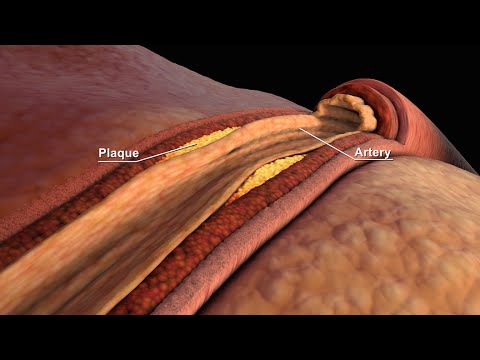
- Predictive power: High non-HDL levels might point to plaque buildup in arteries, which isn’t something anyone wants—yikes!
You probably wonder how to keep this number in check. First things first: lifestyle choices play a huge role here. Eating healthy foods—think fruits, veggies, whole grains—and staying active can make a difference. And let’s be real; moving your body can give you some endorphins too! Seriously, who doesn’t love that rush?
If this sounds familiar to you or someone close has had issues with cholesterol, getting regular check-ups is super important. But remember: if you’re concerned about your numbers or what they mean for you personally, talking to a healthcare professional should definitely be on your list.
The takeaway? Understanding non-HDL cholesterol could lead to better heart health in the long run. Just like cleaning out those old snacks from your pantry! Stay informed and keep that heart pumping strong!
Effective Strategies for Managing High Non-HDL Cholesterol Levels
So, let’s chat about high non-HDL cholesterol levels. You might be wondering what that fancy term even means. Basically, non-HDL cholesterol is everything that’s not the good kind of cholesterol—yeah, the stuff you don’t want to have too much of. It includes Low-Density Lipoprotein (LDL) and other types that can build up in your arteries. If your levels are high, it could lead to some heart issues down the line. But don’t worry! There are simple ways to get it under control.
First off, diet is key. Eating a heart-healthy diet can really make a difference. Think about loading up on fruits and veggies, whole grains, and lean proteins like chicken or fish. And, oh man, try to cut back on saturated fats found in red meats and full-fat dairy products. When I swapped out my usual butter for olive oil in cooking? Game changer!
Regular exercise is another good way to keep those numbers in check. Aim for at least 150 minutes of moderate aerobic activity each week—like brisk walking or cycling. Honestly, I started taking evening walks with a friend after dinner; it’s not just good for your health but also great for catching up!
Also important? Maintain a healthy weight. If you’re carrying some extra pounds, shedding just 5-10% of your body weight can improve your cholesterol levels significantly! On my journey to lose weight a while back, I realized it’s all about making small changes over time—it doesn’t have to be drastic.
And hey, managing stress is huge too! High stress can negatively impact your cholesterol levels. Simple things like meditation or yoga can help calm those nerves. One time I tried yoga for the first time—let’s just say my initial skepticism turned into a love affair with downward dogs!
Finally, if you’re a smoker or drink excessively—consider changing that up too! Quitting smoking does wonders for heart health and might even help lower those pesky cholesterol levels.
Remember though: these suggestions are general ideas to help you live healthier—not medical advice or treatment alternatives! Always chat with your healthcare provider if you’re concerned about your cholesterol or anything else health-related.
In short: focus on what you eat; get moving; lose some weight if needed; manage stress; and avoid bad habits—all solid steps toward tackling high non-HDL cholesterol levels!
So, let’s chat about non-HDL cholesterol for a minute. I know, I know—cholesterol sounds like one of those boring health topics that make you want to hit snooze. But hang tight! It’s kinda important if you care about your heart and overall health, you know?
Non-HDL cholesterol basically includes all the bad stuff in your blood that isn’t the good HDL (that’s high-density lipoprotein). Think of it as a way of measuring your total “bad” cholesterol levels. Why should you care? Well, having a high non-HDL level can increase your risk for heart disease. Yikes, right?
I remember when my buddy Jake got his cholesterol checked. He thought he was fit as a fiddle because he played basketball every weekend and ate pretty decent—mostly. But when he found out his non-HDL levels were on the higher side, it was like someone flipped a switch in him. He started paying closer attention to what he ate, swapping out those greasy takeout meals for more veggies and whole grains. It made a huge difference!
Now, don’t freak out if your numbers aren’t perfect right now—that’s not the point here! The thing is to stay informed about what’s going on with your body. Regular check-ups can help spot any issues early on. And once you understand where you stand with your non-HDL levels, you can make better choices.
You might be wondering how to tackle this whole cholesterol thing in everyday life. Start simple! You can focus on things like eating more healthy fats (think avocados and nuts), getting regular exercise (even just walking counts!), and maybe cutting back on sugar and processed foods.
But hey—just remember this isn’t some one-size-fits-all solution, alright? Always chat with a healthcare professional if you’re worried or confused about your numbers or any lifestyle changes you’re thinking about making.
At the end of the day, staying informed about your health is empowering! It’s all about making choices that help you feel good now and down the line. So keep that heart pumping strong—it totally deserves it!
