

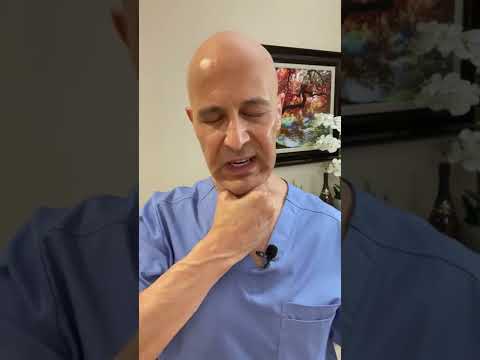
Hey there! Have you ever felt that nagging pain at the back of your head? Yeah, that’s what we call an occipital headache. Not fun, right? It can ruin your day, and honestly, it feels like a little gremlin just parked itself back there.
So, here’s the good news: technology is stepping in to help us combat those pesky headaches! Seriously, we’re living in a time when gadgets and apps can lend a hand.
Imagine being able to ease that tension with just a few taps on your phone or using a device that works wonders. Sounds pretty cool, doesn’t it? Well, get ready—because we’re diving into some innovative tech solutions that might just bring you some relief.
Discovering the Latest Advances in Occipital Neuralgia Treatment in 2023
Okay, so let’s talk about occipital neuralgia. Sounds fancy, right? But it’s basically a type of headache that can make you feel like a tight band is squeezing the back of your head. Ouch! People often describe it as sharp, shooting pain that can really knock you off your game.
Now, the good news is that in 2023, there are some pretty cool advances in treatment that folks are starting to explore. While I’m not here to give medical advice (seriously, talk to a pro about that), I can share what’s trending in the world of innovative tech solutions designed for relief.
- Nerve Blocks: These injections help numb the pain by blocking nerve signals. It’s like giving your nerves a little time-out!
- Neuromodulation Devices: Think of these as high-tech helpers! They send electrical impulses to alter how your brain processes pain. It’s kinda like sending a friendly message to your brain saying, “Hey, chill out!”
- Cognitive Behavioral Therapy (CBT): This isn’t exactly tech, but it works wonders! CBT helps retrain your brain’s reaction to pain. If you’ve ever tried talking yourself down from stress or discomfort and found it worked, this is similar!
- Wearable Tech: Smart gadgets are popping up all over! Some devices can help track headaches and even provide calming vibrations. Imagine wearing something that tells you when you’re getting close to a headache!
I remember chatting with a friend who’d been struggling with these headaches for ages. After trying some of these cool tech solutions—along with talks with her doc—she felt more equipped to handle those pesky pains. It was such a relief for her!
The thing is, everyone experiences pain differently and what works for one person may not work for another. So even with all this new stuff on the block, it’s super important to have those conversations with healthcare professionals before diving in.
At the end of the day, staying informed about options out there is key! If you’re curious about anything related to occipital neuralgia or just want someone to chat about headaches with—reach out and look into it more!
Understanding Occipital Headaches: Recognizing the Red Flags You Shouldn’t Ignore
Occipital headaches, huh? They’re those pesky pains that hang out at the back of your head. If you’ve ever felt a sharp pain shooting from the neck up to your scalp, then you might have experienced one. Honestly, it can feel like someone is squeezing your brain! But don’t worry; let’s break this down together.
What are occipital headaches? Simply put, they’re caused by irritation or damage to the occipital nerves, which run from the top of your spinal cord up through your scalp. Yeah, those little guys can really get grumpy when they’re irritated. Sometimes this irritation can come from tight muscles or even injuries.
Now, let’s talk about some red flags you shouldn’t ignore. I mean, we all get headaches now and then but keep an eye out for these signs:
- Sudden onset: If you feel a headache that hits you like a freight train and is super intense right away.
- Persistent Pain: If it sticks around for days on end without letting up.
- Nausea or vomiting: This can be a sign something isn’t quite right in there.
- Dizziness: Feeling lightheaded or unsteady might mean it’s time to see someone.
You know how when you’ve had one too many cups of coffee and your heart starts racing? Well, imagine that feeling but with pain instead. That’s what some people experience with these headaches—super fun, right?
And listen up! There’s hope! With innovative tech solutions coming out these days, like wearables that track headaches or gadgets designed specifically for relief, there are options popping up to help manage those throbbing pains. So if you’ve got a headache situation going on often enough to affect daily life—don’t hesitate to chat with a healthcare pro about it!
The bottom line? Occipital headaches aren’t just any regular headache; they have specific triggers and signs that can indicate something more serious. Make sure to pay attention to those red flags and reach out when needed! Always remember—you deserve to feel good and enjoy life without that annoying throb in the back of your head!
Understanding the Side Effects of Botox Treatment for Occipital Neuralgia
Occipital neuralgia is a type of headache that can seriously mess with your day. It happens when the occipital nerves, which run from the top of your spinal cord to your scalp, get irritated. This can cause sharp, shooting pain in the back of your head. Sometimes, people look for ways to relieve that pain and one option that pops up is Botox treatment. You’ve probably heard about it for wrinkles, but can it help with headaches too?
So, here’s the deal with Botox: it’s made from a toxin produced by bacteria. When used in tiny doses, it can block certain signals in the nerves. This can potentially ease headache pain for some folks dealing with occipital neuralgia. However, just like anything else, it’s not all sunshine and rainbows.
Now let’s chat about side effects. While many people tolerate Botox well, there are a few things you should keep in mind:
- Pain at the injection site: Some folks report discomfort where they got the shot.
- Muscle weakness: You might notice weakness in nearby muscles. So if you can’t raise an eyebrow or hold a drink just right after treatment, it’s not unusual.
- Headaches: Ironically enough, some people actually end up with headaches post-treatment.
- Nausea: Feeling queasy after getting Botox? Yeah, that can happen too.
- Drooping eyelids: This one’s a bit scary! Sometimes Botox can affect other areas and make your eyelids droop.
- Allergic reactions: Though rare, they can occur. If you find yourself itching or having trouble breathing post-injection, call someone ASAP!
It’s super important to remember that these side effects don’t happen to everyone and some may even fade over time.
I once had a friend who tried Botox for her occipital headaches after years of dealing with them. At first she was thrilled—her headaches lessened! But then she noticed her eyelids looked funny for a bit and she felt kind of off afterward. It was a mixed bag really; she didn’t have those intense pains anymore but had to deal with new quirks too.
If you’re considering this option for yourself or someone else dealing with occipital neuralgia, chatting with a healthcare professional is key! They’ll guide you through what might work best for you personally. Always remember: what works wonders for one person might not do diddly-squat for another.
So there you have it—the basics on Botox and its side effects if you’re looking into treatment options for those pesky occipital headaches! Stay informed and take care!
Exploring the Effectiveness of Botox in Treating Occipital Neuralgia: A Comprehensive Overview
So, let’s dive into a topic that’s buzzing around lately: Botox and its role in treating **occipital neuralgia**. You may have heard about Botox mainly for those wrinkle-smoothing benefits, right? But there’s more to it. Some people are looking into it for headaches, especially the pesky ones that creep in at the back of your head.
Occipital neuralgia happens when there’s irritation or injury to the occipital nerves. These nerves run from your spinal cord up through your scalp. And let me tell you, when they go haywire, you can end up with some real pain. We’re talking sharp, jabbing sensations or just a constant ache. Not fun at all!
Now, here’s where Botox comes in. Injecting Botox around those occipital nerves might help relieve that headache pressure. The idea is that Botox can block the headache signals by relaxing the muscles and reducing inflammation in that area. A lot of folks report feeling some relief—some even say it lasts for weeks!
But hold on a sec! Just because it works for some doesn’t mean it’s a magic bullet for everyone. Here are a few things you should think about:
- Not a replacement: If you’re dealing with headaches, always chat with your healthcare provider about what treatments might be best for you.
- Not instant: It usually takes several days after the injections before you might notice any change.
- Variable results: What works wonders for one person might not do much at all for someone else.
It can feel pretty frustrating trying to find something that gives real relief when you’re stuck with those headaches. I remember my friend Jane—she dealt with amazing headaches from stress and tension. After trying everything under the sun, she found some peace after exploring Botox as an option! It wasn’t perfect every time but definitely helped her overall.
So anyway, while **Botox may offer hope** for tackling occipital neuralgia, it’s super important not to skip talking to professionals first! They’ll help steer you toward what actually fits your needs and health situation best.
In short? Botox can be part of an arsenal against occipital headaches but always as part of a bigger picture of care and consideration involving healthcare pros!
Hey there! So, I wanted to chat a bit about something that’s been buzzing around lately: occipital headaches. You know, those pesky throbbing pains that seem to sneak up on you from behind your skull? Yeah, they can totally ruin your day. I remember this one time I was all set to binge-watch my favorite show. But boom! A headache hit me right in the back of my head. Ugh.
Anyway, with all this innovative tech popping up these days, it feels like there’s always something new that could help ease the pain. Think about it: we’ve got wearable gadgets that monitor your stress levels and even some quirky devices that use heat or vibrations to soothe those tight spots in your neck and upper back. Pretty wild, right? It makes sense that technology would try to jump in and help us with our everyday struggles—after all, we tend to lean on our phones and apps for pretty much everything else.
But let’s be real for a moment. While these tech solutions can be pretty cool and offer some relief, they shouldn’t replace good ol’ self-care practices or talkin’ to a healthcare pro if the headaches keep coming back. Seriously, don’t just toss aside the tried-and-true methods like stretching or taking a break from screens. Sometimes stepping back for a minute can do wonders!
What’s also interesting is how some people find comfort in combining tech with traditional remedies. Like using an app that guides you through breathing exercises while you’re wearing a little gadget designed for neck massage. It’s kinda like bringing both worlds together—old-school relaxation techniques meet shiny new gadgets.
So if you ever feel that nagging pain creeping in, maybe check out some of these tech solutions but remember to listen to your body too. It’s all about finding what works best for you!
