

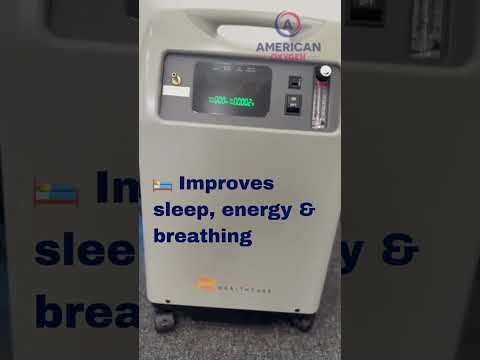
Hey there! So, let’s talk about something super important: breathing. Sounds simple, right? But what if it wasn’t? What if you found yourself gasping for air when you were just trying to chill on the couch?
That’s where home oxygen therapy comes in. It’s like having a little help from your best buddy, oxygen! You might be thinking, “Wait, is that for older folks or people with serious issues?” Well, it can be! But don’t worry; it’s not just for them. People of all ages can benefit from it.
Imagine being able to enjoy your favorite activities without wheezing or feeling worn out. Pretty awesome, huh? In this little chat, we’re diving into how home oxygen therapy works and how it might just be the boost you need to breathe easy. So stick around—I promise it’ll be worth it!
Understanding the Costs of Home Oxygen Therapy: A Comprehensive Guide
Hey there! Let’s talk about home oxygen therapy, shall we? If you’ve heard about it but don’t know much, no worries! I’m here to help break it down for you.
Home oxygen therapy is basically a way for folks with breathing issues to get the oxygen they need while chilling at home. Sounds simple enough, right? But it comes with some costs that can vary quite a bit. So, let’s dive into what you should know!
What Influences the Cost?
There’s actually quite a few factors that play into how much this therapy costs:
- Type of Equipment: Different devices are available like tanks or concentrators. Some are more expensive than others.
- Insurance Coverage: Your insurance might cover part or all of the costs, so check with them! It’s super important.
- Rental vs Purchase: Renting equipment can be cheaper upfront but adds up over time. Buying is more expensive initially but could save you cash in the long run.
- Supplies and Maintenance: Don’t forget about things like tubing and filters. They need replacing sometimes which adds to your total bill.
The Average Costs
Now, let’s talk numbers. Although prices can vary widely, here’s a rough idea:
– Renting an oxygen concentrator typically runs between $100 to $300 per month.
– Buying one outright might cost anywhere from $2,000 to $3,000, depending on the model.
– And those monthly supplies? They could be around $40 to $100.
It sounds like a lot when you throw it all together! You might wonder if it really fits into your budget.
A Personal Touch
I remember chatting with my friend Lisa. Her mom needed oxygen therapy at home after surgery. The expenses added up pretty quickly and they were surprised by hidden fees for supplies they hadn’t thought about before! It was a bit of a wake-up call for them.
Your Options
If costs seem daunting, there are options out there to help:
- Medicare and Medicaid: These programs may cover some expenses if you’re eligible.
- Nonprofit Organizations: Some groups offer assistance or resources for families facing high medical bills.
- Lifelong Payment Plans: Check if your provider offers payment plans to spread out those hefty costs!
So there you have it—home oxygen therapy and its costs laid out for you simply! Remember that everyone’s situation is different; always chat with professionals who can guide you personally. That way you’ll get the best support tailored just for you or your loved ones!
Discover Effective Solutions for Better Breathing with Breathe Easy Respiratory
Hey there! Let’s chat about something super important: breathing. I mean, it’s kind of the whole deal, right? Sometimes, though, we can struggle with it. Maybe you’ve heard of home oxygen therapy? It’s a way to help make breathing a bit easier for those who need it.
So what exactly is home oxygen therapy? Well, it’s just a method that delivers extra oxygen to you at home. This can be especially helpful for folks with certain health conditions that make breathing harder. But remember, it doesn’t replace what a healthcare pro would recommend.
Now, let’s break down some key points about this:
- Comfort at Home: One of the best things about this therapy is that you can do it in your own space. Your home should feel like your sanctuary!
- Portable Options: There are devices that are super easy to carry around. So whether you’re watching TV or going for a stroll, you can have oxygen close by.
- Different Methods: Oxygen can come in various forms, like tanks or concentrators. Some folks even use nasal cannulas—those little tubes that go in your nose.
I remember when my grandma started using oxygen at home; she was kinda nervous at first! But once she understood how simple it was and how much better her breathing became, she felt so much more at ease. It gave her the freedom to enjoy life more without feeling winded all the time.
If you think this could be something for you or someone you know, just have an open chat with a healthcare professional! They’ll guide you on what might work best. Breathing should be smooth and easy; we all deserve that!
So there you have it! Home oxygen therapy could be another way to help people breathe better in their everyday lives. And remember, always consult with the right people when making decisions about health!
Understanding Home Oxygen Therapy: How Long Can You Rely on Oxygen at Home?
So, let’s chat about home oxygen therapy. This might sound a bit heavy, but it’s actually pretty straightforward. Basically, home oxygen therapy is all about helping people who have trouble breathing. You know, like those folks with chronic lung diseases or other issues that affect their lungs.
You might be wondering how long someone can rely on oxygen at home. Well, the honest answer is that it really depends on the individual. Factors like your health condition, how your body responds to treatment, and what your doctor says all play a part.
Here are some key points to consider:
- Your diagnosis matters. Different conditions require different approaches to oxygen therapy. If you have COPD or asthma, for instance, you might need it more consistently than someone with a milder condition.
- Oxygen levels fluctuate. Sometimes your oxygen level might be fine one hour and low the next. It’s super important to keep track of how you feel and communicate with your healthcare team.
- Monitor usage closely. Your doctor will help figure out how much oxygen you need and for how long. But it’s really about finding that sweet spot between comfort and necessity.
- Your lifestyle influences everything. Do you have an active lifestyle? That can impact your needs too! Staying engaged might mean adjusting oxygen levels more often than someone who takes things slower.
I remember my friend Sarah. She started using home oxygen after years of battling asthma. At first, she was worried about being tied down to the machine. But soon enough, she found her rhythm! With some adjustments from her doctor and a little practice at home, she was back to living life more freely—taking walks in the park and even dancing at family gatherings!
The bottom line is—if you’re considering this type of therapy—or know someone who is—it’s so vital to work hand-in-hand with healthcare providers. Don’t think of this as a permanent situation right off the bat; it’s more about finding what works best for you while ensuring you’re safe and healthy!
And remember: every journey is unique! Just because someone else may use their home oxygen daily doesn’t mean it has to be that way for everyone. Be sure to listen to your body and get professional advice tailored just for you!
Understanding Home Oxygen Therapy: Benefits, Equipment, and Guidelines for Effective Use
Home oxygen therapy can feel a bit overwhelming at first, but it’s really about making sure you breathe easy at home. You know how sometimes just a little extra help can make all the difference? Well, that’s what this therapy is about!
Benefits of Home Oxygen Therapy
If you or someone you know struggles with breathing issues, home oxygen therapy might be a game changer. Here are some of the perks:
- Improved Quality of Life: Imagine being able to do simple things like playing with your kids or even just walking around without gasping for air. It can really boost your daily activities.
- Better Sleep: If you have trouble sleeping due to breathlessness, this could help you rest easier at night.
- Increased Mobility: With the right equipment, you could move around more freely without feeling winded.
Types of Equipment
The gear used in home oxygen therapy isn’t as intimidating as it sounds! Here’s what you might see:
- Oxygen Concentrators: These machines pull oxygen from the air and deliver it to you through a nasal cannula or mask. Think of it like having a mini oxygen factory at home!
- Portable Tanks: When you’re on the go, these tanks can provide oxygen so you can still live life without limits.
- Liquid Oxygen Systems: These are great for those who need higher amounts and want something that’s easier to carry around.
Guidelines for Effective Use
If you’re considering this therapy or already using it, there are some important things to keep in mind:
- Follow Your Doctor’s Orders: Always stick to the prescribed flow rate and hours of use. It’s super important!
- Avoid Open Flames: Be careful with anything that might spark a flame, like candles or cigarettes – oxygen is flammable!
- Keeps Things Clean: Regularly check and clean your equipment according to instructions to ensure everything works well.
You know, I once met a lovely lady named Sarah who was struggling with her breathing after an illness. She started using home oxygen therapy and talked about how much she enjoyed playing with her grandchildren again. Hearing her excitement made me realize just how impactful this therapy can be for people!
This information is purely for your knowledge and shouldn’t replace talking to your healthcare provider if you’re considering home oxygen therapy. Seriously, they’re the best source for personalized advice. So breathe easy and take care!
You know, there’s something really powerful about breathing. I mean, it’s something we do every single day without thinking twice about it. But for some folks, taking in a deep breath isn’t as easy as it should be. I remember my friend Mia struggling with her breathing after a nasty cold lingered way too long. It was scary to see her wheezing and holding back tears when she couldn’t get enough air.
That’s where home oxygen therapy comes into play. So, you might be wondering what it is. Well, it’s basically a treatment that gives extra oxygen to people who need it—like those with chronic lung conditions or even just after being sick for too long. It can be super helpful for making sure that your body gets the oxygen it needs to function properly.
Imagine sitting on your couch, watching your favorite show, and having this little machine quietly doing its job in the corner. Pretty nice, right? This therapy helps many people feel more energized and can make daily activities feel less like climbing Mount Everest.
But here’s the thing: it’s not just about having an oxygen tank nearby. There are different ways to receive this therapy at home—like concentrators that pull oxygen from the air or portable tanks you can take with you when you’re out and about! Seriously, technology has come a long way.
Now, if you ever find yourself needing this kind of support or know someone who might benefit from it, it’s so important to chat with healthcare pros before diving in. They’ll help figure out what works best based on your situation because everyone’s needs are different.
So yeah… Breathe easy isn’t just a catchy phrase; for some people, it means better quality of life and being able to do the things they love without gasping for air. Kinda inspiring when you think about it! And if you’re on that journey or supporting someone who is? You’re not alone in this struggle—it’s all about finding what helps you breathe easier and live your life fully!
