

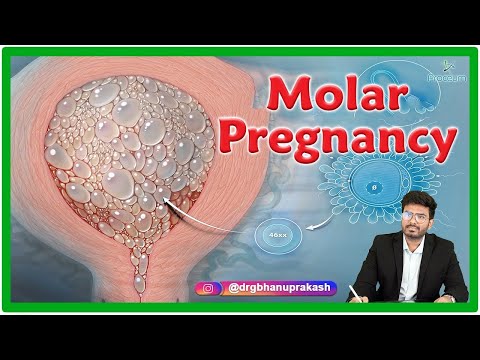
Hey there! So, let’s chat about something that might sound super complicated but really isn’t. Have you ever heard of a partial molar pregnancy? It sounds like some fancy medical term, right? But don’t worry. It’s just one of those things that happens in pregnancy, and it can be a bit confusing.
Imagine planning for a baby and then facing unexpected news. That’s kind of what this is all about. It’s not the usual pregnancy journey you’d expect. Sometimes, things don’t develop as they should, and it can leave you feeling all sorts of emotions.
But here’s the kicker: understanding it doesn’t have to be scary or overwhelming. Stick with me, and we’ll break it down together! I promise you’ll walk away feeling more informed—like you just had a heart-to-heart with a friend over coffee. Ready? Let’s dive in!
Understanding the Protocol for Managing a Partial Molar Pregnancy: Key Steps and Considerations
Hey there! Let’s chat about something that can be a bit confusing: partial molar pregnancy. This condition happens when there’s an issue with how the placenta develops. Instead of a normal embryo, you might end up with abnormal tissue. It can be overwhelming, but understanding what’s involved in managing it is super important.
First off, if someone finds themselves facing a partial molar pregnancy, they should definitely connect with a healthcare professional. You know how important it is to talk to someone who knows their stuff! They often recommend a few key steps to manage things safely.
- Diagnosis: The first step is usually diagnosing the situation through blood tests or ultrasounds. It helps confirm what’s going on.
- Treatment: After diagnosis, the next step often involves ending the pregnancy, which could be through medication or surgery. Yeah, it’s not an easy decision!
- Monitoring: So here’s where it gets real—once that part is done, follow-up care is essential. You typically have to monitor hormone levels over time to make sure everything’s returning to normal.
- Avoiding Future Issues: Docs might discuss what this means for future pregnancies. It doesn’t automatically mean you can’t have kids later on, but they may suggest waiting for a while before trying again.
This whole process can bring up mixed emotions and that’s totally normal. A friend of mine went through something similar and felt like she was on an emotional rollercoaster—one day she was hopeful, the next day she was scared. Just remember: whatever feelings come up are valid
The thing is, having support from loved ones or even professional counseling can be helpful too! There’s no one-size-fits-all reaction here—everyone handles things differently.
In the end, knowing about partial molar pregnancy and its management gives you more power over what you’re facing. Remember though, always reach out to healthcare professionals for guidance because they really know best!
Essential Steps to Take After Experiencing a Partial Molar Pregnancy
So, you or someone you know has gone through a partial molar pregnancy, huh? That can be really tough. Let me break it down for you, and I promise to keep it simple.
First off, what’s a partial molar pregnancy? Well, it’s when there are some healthy fetal cells but also a lot of abnormal cells that can mess things up. It’s not your fault! You’re not alone in this.
After experiencing something like this, there are a few steps that might help you on the path to recovery. Remember, though: always talk to your healthcare provider about your specific situation.
1. Follow-Up Appointments: Regular check-ups are super important. Your doctor will want to monitor hormone levels to make sure everything is heading back to normal. It’s kind of like checking in after a storm—you want to make sure everything’s okay!
2. Emotional Support: Honestly, don’t skip this part. It can be incredibly emotional dealing with loss or uncertainty. Talk to friends or family. Or get professional support if that’s what you need! You deserve it.
3. Understand Your Body: Remember that recovery takes time! Be gentle with yourself and give your body the chance it needs to heal both physically and emotionally.
4. Future Pregnancies: If you’re considering getting pregnant again later on, chat with your doctor about the best timing and any steps you should follow before trying again.
And hey, if you’re feeling overwhelmed (which is totally normal), that’s okay too! Just take things one day at a time and lean on those who care about you.
So there you have it—a few essential steps after experiencing a partial molar pregnancy! Just don’t forget: reaching out for help isn’t weak; it’s actually pretty strong!
Understanding the Long-Term Risks: Can a Molar Pregnancy Lead to Cancer?
Okay, so let’s chat about molar pregnancies. It’s one of those things that can feel super confusing, right? A molar pregnancy happens when the tissue that usually becomes the placenta grows abnormally. There are two types: complete and partial. The key point here is that it’s not a typical pregnancy, and understanding the risks involved is pretty important.
Now, you might be wondering: can this lead to cancer? Well, in some cases, yes—molar pregnancies are linked to a condition called gestational trophoblastic disease (GTD). This can include certain types of tumors that develop from the cells of a molar pregnancy. But don’t panic! Most women who have had a molar pregnancy don’t develop cancer. It’s just something to be aware of.
- Not all molar pregnancies lead to cancer. Most women come out fine after monitoring.
- If there’s any risk: Regular check-ups are important since they help catch any issues early on.
- A little attention goes a long way: Your healthcare provider will likely keep an eye on your hCG levels after a molar pregnancy because they can indicate how your body is responding.
I remember a friend of mine went through this whole process. She was scared out of her mind thinking about the “C” word. But after talking with her doctor and learning more about GTD, she felt way more at ease knowing she could manage it with regular check-ups.
The thing is, knowledge is power! Understanding what a molar pregnancy means for you in the long run can really help ease some fears. Just keep up with your appointments and stay in touch with your healthcare provider; they’re there to help you navigate this journey.
So, while it’s good to know there could be risks involved with molar pregnancies leading to cancer, remember: not everyone will experience those outcomes. Staying informed and connected with your doctor makes all the difference!
Understanding Partial Molar Pregnancy: What a Heartbeat Means for Expecting Mothers
So, let’s dive into partial molar pregnancy, right? If you’re expecting or know someone who is, it can be a bit confusing. Imagine being excited to hear a heartbeat, but then having that joy wrapped up in uncertainty. Let me break it down for you.
First off, what exactly is a partial molar pregnancy? It happens when sperm fertilizes an egg, but instead of creating a normal embryo, the result is a mix. You’ve got some normal cells and some abnormal ones. This mix-up affects how the pregnancy develops.
You may be wondering about that heartbeat. When you hear one, it usually feels like golden news! But in cases of partial molar pregnancies, even if there’s a heartbeat, things can still get tricky. The presence of that heartbeat doesn’t guarantee everything is okay.
- Heartbeat Presence: A heartbeat indicates some growth but doesn’t mean all is well with the pregnancy.
- Risk Factors: A partial molar pregnancy can lead to complications for mom and baby. It might require careful monitoring.
- Molar vs. Normal: In typical pregnancies, the growth follows a smooth path; in partial molars, it can take unexpected turns.
I remember my friend Sarah sharing her experience during her first ultrasound. She was over the moon hearing that little thump-thump of her baby’s heart! Then came the doctor’s talk about something called “molar.” It was like crashing back to reality; she had so many questions swirling in her head!
This brings us to an important part: if any questions pop up during your journey—like about your health or what’s happening with your pregnancy—it’s super crucial to chat with a healthcare professional you trust. They really are your best resource!
If you or someone close is dealing with this situation, know that you are not alone and there are people out there who understand how complicated it can feel.
In short, partial molar pregnancies bring unique challenges, especially around that exciting moment when you hear a heartbeat. Just remember to stay informed and lean on your healthcare team for support!
So, let’s chat about partial molar pregnancy. You might be like, “What even is that?” And hey, that’s totally cool! It can sound really complex at first. Basically, a molar pregnancy happens when there’s an issue with how the sperm and the egg unite. In a partial molar pregnancy, you get some normal placental tissue along with abnormal tissue—it’s like a mix-up in the baby department.
I remember when my friend Sarah was trying to start her family. She had all these dreams and plans, and then bam—she got hit with that news. It was heartbreaking for her. She didn’t know what a partial molar pregnancy even was until she had to face it. It felt so unfair.
When you hear about this kind of pregnancy loss, it can be really confusing to wrap your head around how something could go so wrong when things seem fine at first. Some women don’t even realize they’re having one until they hit that first ultrasound appointment, expecting to see tiny arms and legs wiggling around.
The scary part is the hormones; they’re all outta whack! Your body thinks it’s pregnant but it’s not developing normally—which leads to all sorts of emotions and medical actions afterward. And after experiencing such heartache, it can be tough for someone to bounce back and feel ready for another shot at parenthood.
You might wonder how common this is? Well, they say it’s rare but still happens—so many ladies don’t know what hit them until they’re already in it. With time and support from loved ones (and maybe a good therapist!), many women find ways to process their feelings—and sometimes go on to have healthy pregnancies down the line.
So if you or someone you know is dealing with this stuff, just know you’re not alone! It’s important to talk about these experiences because understanding helps heal the heart—even if only a little bit at a time… And honestly? That kind of courage deserves some serious applause!
