

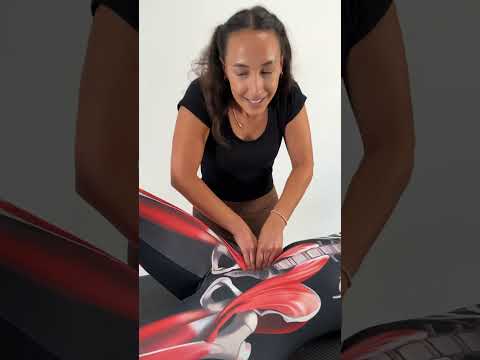
Hey there! So, let’s talk about something that’s seriously underrated but super important: your psoas muscle. You might be thinking, “What on earth is a psoas?” Don’t worry, you’re not alone.
Imagine this muscle as the connector between your upper and lower body. Sounds kinda cool, right? But here’s the kicker: when it gets tight or crampy, it can mess with your whole vibe—think back pain, tension, even anxiety.
Now picture this: you’ve had a long day, and all you want is to feel relaxed and free in your body again. That’s where psoas release techniques come in. They can work wonders! It’s like giving yourself the gift of comfort.
In this chatty little piece, we’re diving into some transformative ways to unlock that psoas magic. Let’s get comfy and explore how releasing this muscle can make all the difference in your daily chill-out sessions! Ready? Let’s go!
Effective Techniques for Releasing Chronically Tight Psoas Muscles: A Comprehensive Guide
So, let’s chat about those tight psoas muscles. You know, it’s that muscle deep in your belly that can really mess with your day if it gets cranky. The psoas connects your lower spine to your legs, and when it gets tight, good luck trying to relax or move freely. It’s like having a constant reminder that something’s off!
What causes tight psoas muscles? Well, stress is a biggie! If you find yourself hunched over a computer all day or maybe sitting like a pretzel on the couch for hours (guilty as charged?), your psoas can become overworked and tense. But hey, don’t worry. There are some effective techniques to help release all that tension.
Breath Work
Let’s start with breathing. Yep! Deep breaths can be super helpful. When you breathe deeply into your belly, you’re basically sending love to those tight muscles. Try this: take a deep breath in through your nose for four counts, hold it for four counts, then exhale slowly through your mouth for six counts. Keep doing this and notice how your body starts to chill out.
Stretching
Then there are stretches specifically aimed at the psoas. One easy one is the lunge stretch. Step one foot back into a lunge while keeping the other knee bent in front of you—feel that yummy stretch in the hip area? Hold it for about 30 seconds on each side and let gravity do its thing.
Foam Rolling
Have you heard of foam rolling? This little tool can become your best buddy! Sit on the floor with the roller under your back and roll gently from side to side—be careful not to apply too much pressure right away though! You’ll feel it loosening up those knots as you go along.
Meditation
Also, don’t underestimate meditation! It helps calm not only our minds but also our bodies. Just finding a spot where you can sit comfortably and focus on calming thoughts or visualizations can do wonders for reducing tightness overall.
Incorporating these simple techniques into your routine could help keep your psoas happier than ever. Imagine moving comfortably after sitting all day or enjoying more flexibility during workouts—it’s possible!
But remember: while these techniques may work wonders—it doesn’t replace professional healthcare if you’re experiencing significant discomfort or pain related to tight muscles. Always reach out to someone who knows best when needed!
So there you go! A few ways to give those tight psoas muscles some love and hopefully make life feel just a bit better! Make sense? Anyway, take care of yourself—your body deserves it!
Effective Techniques for Releasing the Psoas Muscle During Pregnancy
Pregnancy is an amazing journey, but it can also come with some pretty uncomfortable changes, right? One area that often gets tight and cranky is the psoas muscle. It’s located deep in your belly and connects your spine to your legs. When it gets tight, you might feel discomfort in your lower back or even in your hips. So, let’s talk about some ways to help release that tension!
First off, **breath work** can be super helpful. Seriously, just sitting or lying down and focusing on deep breaths helps to bring awareness to that area. Inhale deeply through your nose and let your belly expand; then exhale gently through your mouth. Doing this a few times a day can help ease the psoas muscle.
Another effective technique is **gentle stretching**. You don’t have to be a yoga pro; simple stretches can do wonders! Try a lunge position where one knee is on the ground behind you. It opens up the hips and gives the psoas some love without too much effort.
Also, **foam rolling** can sometimes be a game changer! If you’re comfortable with it, using a foam roller on your lower back and hip area might create some relief. Just remember to go slow and listen to your body—don’t force anything.
You can also consider **positions that encourage relaxation**, like sitting cross-legged or lying on your side with pillows for support. These positions can help naturally ease tension from the psoas muscles while promoting comfort.
Lastly, don’t forget about **movement**! Gentle walks or prenatal classes can keep everything flowing nicely. Movement helps prevent stiffness and keeps you feeling more comfy.
There was this one time when my friend was pregnant and she was struggling with her hips feeling so tight all the time. After trying these techniques—especially gentle stretches—she felt like she could finally breathe easier and move around without pain!
Always chat with someone who knows their stuff if you’re unsure about anything or experiencing persistent discomfort during pregnancy. It’s so crucial to make sure you’re taking care of yourself while navigating this incredible journey toward motherhood!
Effective Self Psoas Release Techniques for Enhanced Mobility and Pain Relief
Well, let me tell you about the psoas muscle. You might not even realize how important it is until it starts acting up! The psoas is this funky little muscle that runs from your lower back down to your thighs. It’s kinda key for moving around, sitting, and even standing up straight. When it gets tight or tense, you can end up feeling discomfort in your back or hips. So, releasing that tension can do wonders for how you feel overall!
Now, here are some effective self-psoas release techniques you can try. Just remember, if you have any serious issues or injuries, chatting with a healthcare professional is always a good idea.
- Breath Awareness: Get comfy and focus on your breath. Inhale deeply through your nose and exhale slowly through your mouth. This helps to relax those tight areas.
- Gentle Stretching: Try lying on your back and pulling one knee toward your chest while keeping the other leg extended. Hold it for a bit. It feels amazing!
- Foam Rolling: If you’ve got a foam roller lying around (or just grab a tennis ball), gently roll over the front of your hips and lower back. Be gentle with yourself; it’s all about that sweet spot.
- Psoas Release Pose: From a seated position, lean back onto your hands while keeping both knees bent and feet flat on the ground. Letting your knees fall gently to the sides opens up those hips.
I remember trying some of these techniques after long hours at my desk job—ouch! My hips were so tight I felt like an old rusty hinge! After trying out some stretches and breathing exercises while lying on my living room floor, I could swear I could feel my body saying “ahhh.” Seriously though, finding ways to ease that tension made such a difference.
So remember: enhancing mobility through self-psoas release doesn’t have to be complicated! Just listen to your body and take it easy—you don’t want to push it too far too fast. Take care of yourself out there!
Effective Techniques for Releasing Psoas Trigger Points for Improved Mobility
So, let’s chat about the psoas muscle. You heard of it? It’s this long muscle that connects your lower spine to your upper legs. It plays a big role in how you move, and if it’s tight or has trigger points, you might feel a bit, well, cramped up! Seriously, just think of it as being like that feeling when you sit too long and everything kind of locks up. Not fun, right?
Now, there are some effective techniques you can try to release those pesky psoas trigger points and improve your mobility. Remember though: these aren’t a substitute for professional help if you really need it.
- Deep Breathing: Yup, simple but powerful! When you take deep breaths, you’re not just filling your lungs; you’re also helping to relax your whole body—including that tricky psoas. Just sit or lie down comfortably and breathe in deeply through your nose for a count of four, hold it for four counts, then let it out slowly through your mouth.
- Psoas Stretch: Grab a yoga mat or find a comfy spot on the floor. Kneel on one knee while the other foot is in front of you with that knee bent at 90 degrees. Gently push your hips forward while keeping your back straight. You might feel a nice stretch in the front of the hip! Hold for about 30 seconds and switch sides.
- Knees to Chest: Lying on your back, bring both knees toward your chest. Hug them close! This can help release tension in the psoas area and feels pretty comforting too.
- Tension Release Massage: Sometimes just using your hands can do wonders! Use fingers or even a tennis ball against a wall to gently press into those tight areas around the hips. Just don’t go too hard—think gentle pressure rather than pounding away like you’re tenderizing meat!
Honestly, I remember sitting at my desk for hours one day and feeling like my hips had turned to stone. It was frustrating! I tried some gentle stretches and breathing exercises—it was such a relief when I could finally move more freely again!
The thing is: keeping that psoas happy can be key for better mobility overall. So why not give these techniques a try? Just listen to what feels good for you and remember that if something doesn’t feel right—well now, don’t hesitate to reach out to someone who can help!
Hey there! Let’s chat about something we don’t often think about but can make a world of difference in how you feel: the psoas muscle. Ever heard of it? Yeah, me neither until a friend mentioned it after one of those long workdays filled with sitting and stress.
So, picture this: It’s been a tough week—you’re juggling tasks, maybe feeling a bit hunched over from all that screen time. That’s how I found out that my psoas was tight and grumpy. Seriously, who knew a little muscle could carry so much weight—emotionally and physically?
The psoas, often called the “hip flexor,” runs from your lower spine through your pelvis to your femur. It’s like the bridge between your upper body and lower body. And guess what? When it’s tight, it can lead to back pain, anxiety, and even trouble sleeping. Ugh!
I came across some techniques for releasing this little gem—things like gentle stretches or even simple movements that get you breathing deeply while you wiggle around a bit. It sounds silly, but just lying on your back and hugging your knees to your chest felt amazing—a sort of free therapy just at home! There are also those fancy ones like yoga poses or using foam rollers for some self-massage action.
And here’s the thing: releasing tension in that area can really transform how you carry yourself throughout the day. You might feel lighter or even gulp in fresh air more easily. It’s quite profound! Just last week after practicing some of these techniques for a few days straight, I caught myself smiling more and worrying less. Like magic!
But remember, these techniques aren’t a substitute for professional help if you’re dealing with serious issues—always good to check in with an expert if things feel off.
So next time you’re feeling stiff or low-key bummed out, give those psoas release techniques a whirl! Who knows? You might just find that sweet spot of comfort you didn’t know you were missing!
