

Hey there! Have you ever felt your heart skip a beat? It’s weird, right? That little flutter can be more than just your body’s version of a surprise party.
We’re talking about PVC arrhythmia—an irregular heartbeat that’s surprisingly common but often misunderstood. Imagine being able to tackle that with some cool tech advancements!
That’s what’s brewing in the world of heart care these days. It’s like your heart has its personal tech team ready to help out. Seriously, how cool is that?
In this piece, we’ll dive into what PVC arrhythmia means and how new tech is changing the game for people living with it. It’s not all doom and gloom! So grab a snack and let’s get into it!
Exploring the Latest Innovations in Arrhythmia Treatments: What You Need to Know
So, you’ve heard about arrhythmias, huh? Those little hiccups in your heartbeat can be pretty unnerving. If you or someone close to you has experienced PVC arrhythmia (that’s premature ventricular contractions for the fancy folks), you might be curious about what’s new and exciting in the world of treatment. Let’s dive in and break it down, shall we?
What are PVCs?
Basically, they’re those heartbeats that come a bit too soon. It’s like your heart gets a little too eager to beat! Most of the time, they aren’t dangerous but feeling them can definitely make you feel a bit anxious.
Now, what about innovations? Tech has been stepping up its game when it comes to heart care. Here’s what’s been happening lately:
- Wearable tech: Devices like smartwatches can now detect irregular heartbeats and alert you. Seriously cool, right? You could catch those sneaky PVCs before they even bother you.
- Apps: There are apps that help track your heart’s rhythm and send data straight to your doctor. It’s like having a mini cardiologist in your pocket!
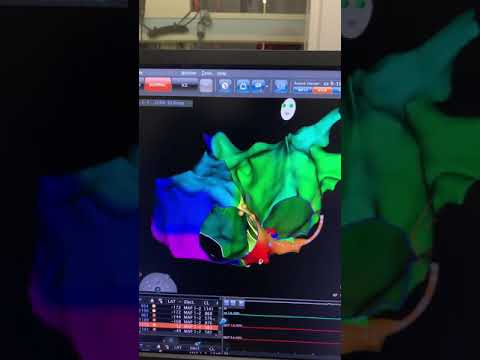
- Ablation therapies: Newer techniques allow doctors to target the areas causing those pesky PVCs more precisely than ever before. Think of it as fine-tuning your heartbeat.
- Medications: There have been advancements in medications that may help manage symptoms better and with fewer side effects.
Let me tell ya a little story – my friend Sarah once felt her heart racing out of nowhere during a regular jog. Talk about freaking out! After some tests and a chat with her doc, she was recommended one of those snazzy wearables. It helped her monitor her heart rate, and guess what? She found out she had PVCs but nothing serious going on! Just knowing made all the difference for her anxiety.
Of course, this stuff doesn’t replace talking to a healthcare professional if you’re experiencing issues with your heartbeat. You should always reach out when things feel off.
So there ya go! The world of arrhythmia treatments is evolving all thanks to tech innovations! Keeping up with these changes not only helps us understand our hearts better but also brings hope for many who deal with these conditions every day. Isn’t that comforting?
Effective Clinical Interventions for Managing Cardiac Arrhythmias: A Comprehensive Guide
There’s something about heart health that really gets people talking. You know, like when your heart skips a beat because you spotted your crush? Well, that skipping can also happen for other reasons. Enter **PVCs**, or **premature ventricular contractions**. They sound fancy, but they’re basically just extra beats that can make you feel fluttery or even anxious.
So, how do we tackle these pesky PVCs? Well now, let me tell you about some of the effective tech and clinical stuff happening these days.
1. Monitoring Devices: With today’s tech, it’s super easy to keep tabs on your heart. Wearable devices like smartwatches can track your heart rate and rhythm. Some even alert you if something seems off! You get to be in the loop without constant doctor visits.
2. Catheter Ablation: This procedure sounds intense but don’t worry! In this method, doctors use a thin tube to zap the areas of the heart causing those unwanted beats. It’s like fixing a glitch in a video game—you know where the problem is and just sort it out!
3. Medications: Sometimes doctors might prescribe meds to help manage arrhythmias. These aren’t one-size-fits-all; they tailor them based on what works best for you.
4. Lifestyle Changes: It might seem simple, but things like reducing caffeine, managing stress, or stopping smoking can make a world of difference. It’s all about finding what helps you chill out!
Now here’s a little story: I once had a friend who thought she was having serious issues because of odd heartbeats during yoga class! She was sweating bullets thinking it was something major. Turns out, her body just needed some love—less coffee and more mindfulness did wonders for her PVCs!
In another vein, don’t forget—staying connected with healthcare pros is key! They can provide personalized insights that no article or device ever could.
So there you have it—some cool ways we are revolutionizing heart care for arrhythmias like PVCs with technology and clinical intervention options that really aim to help! Just remember, always consult with healthcare experts—they’ve got your back (and your heart)!
Exploring the Role of Artificial Intelligence in Cardiac Electrophysiology
So, let’s talk about artificial intelligence (AI) and how it’s shaking things up in the world of cardiac electrophysiology. You might be wondering, what the heck is that? Well, it’s all about understanding and treating heart rhythms. And AI is stepping in to help make things way easier.
First off, you know how our hearts can sometimes get a little out of whack? Things like premature ventricular contractions (PVCs) can happen. They’re just these random heartbeats that can feel pretty strange. AI is being used to track and analyze these irregularities super efficiently.
Here are some key ways AI’s making an impact:
- Data Analysis: AI can look at huge amounts of data from ECGs (electrocardiograms) faster than a human could ever dream of. This helps doctors find patterns in heart rhythms.
- Predictive Modeling: With all that data crunching, AI can actually predict when a patient might experience issues with their heart rhythm.
- Treatment Personalization: Every heart is unique, you know? AI helps tailor treatment plans based on individual patient data.
- Risk Assessment: It assesses the risk levels for PVCs and other arrhythmias so that doctors can make smarter decisions.
I remember when my grandma started experiencing irregular heartbeats. We were all so worried! She had to wear one of those monitors for weeks, and it felt like forever until we got results back. If AI was around back then, who knows how much quicker we could’ve figured things out!
Anyway, while this tech sounds super exciting—and it really is—it’s important to remember that it’s not here to replace your doctor. Think of it as a very smart assistant helping them do their job even better.
So next time you hear about AI in healthcare, just know it’s playing a big role in changing how we understand our hearts and tackle problems like PVC arrhythmia! Isn’t that pretty cool?
You know, I’ve always thought about how we literally have a mini power plant inside us—the heart. But sometimes, it gets a little offbeat. Take premature ventricular contractions (PVCs), for instance. They’re like those unexpected hiccups in your heart’s rhythm that can catch you off guard. They might seem harmless, but for some folks, they can be super annoying or even scary.
A friend of mine once told me about that time she was at the gym. She was absolutely in the zone, lifting weights and feeling great when suddenly—bam—her heart did this little jumpy dance. It freaked her out! She was so sure something was really wrong. It turned out to be PVCs, and while her doc explained that they weren’t uncommon, they still made her question everything from her fitness routine to, you know, the overall state of her health.
Now, here’s where things get interesting: technology is stepping in! There are these new gadgets and apps that help track heart rhythms more efficiently than ever before. I’m talking about wearables that can monitor your heart rate and send alerts if something feels off. It’s pretty wild when you think about it. Imagine having this tiny device on your wrist giving you insights about your heart health almost instantly!
What’s even cooler is how telemedicine has made it easier to connect with healthcare professionals without leaving your couch—no more waiting rooms or awkward small talk with other patients. Just you and an expert who can help you navigate those pesky PVCs from the comfort of home.
But here’s the thing: while tech is making strides in heart care, it’s not replacing the need for doctors or personalized care plans. Those tools are just there to enhance our understanding and management of our hearts—a super important harmony between tech and human touch.
It’s kinda like having a co-pilot who helps guide you while your main pilot—your doc—still has control of the plane! So next time you feel that little flutter in your chest? Don’t panic right away; just remember there are ways to tackle it head-on with the support of both technology and medical professionals—and hey, maybe even share a laugh or two about those moments when our hearts decide to go rogue!
