

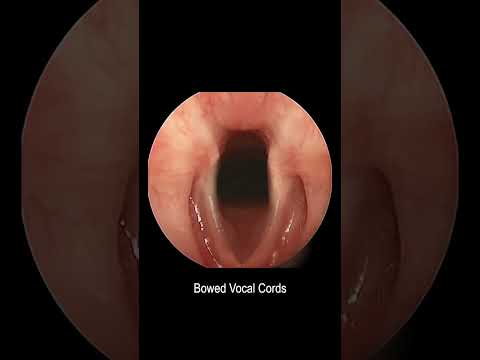
Hey there! Ever heard of Reinke’s edema? Sounds kinda fancy, right? Well, it’s actually something that affects your voice. Crazy, huh?
Imagine waking up one day and your voice just doesn’t sound like you anymore. It’s all husky and raspy. It might not hurt, but it sure can be frustrating!
Here’s the kicker: new voice health tech is shaking things up in how we tackle this issue. No more old-school remedies that just don’t cut it. There are some seriously cool innovations out there that can bring your voice back to life.
So, if you’re curious about how tech is stepping in to save the day—and your vocal cords—you’re in the right place! Let’s dive into this revolution together!
Exploring the Impact of Reinke’s Edema Severity on Voice Parameters: Insights and Implications
So, let’s dive into what Reinke’s Edema is and why it matters, especially when we talk about voice health. Reinke’s Edema happens when there’s a buildup of fluid in the vocal cords. This can make your voice sound deeper and huskier—sometimes even a little raspy. But how does the severity of this condition affect your voice? That’s what we want to uncover!
Understanding Severity is key here. The severity of Reinke’s Edema can range from mild swelling to more significant fluid accumulation. Generally, the more fluid, the bigger impact on your voice quality. Imagine trying to sing with a thick piece of fabric over your mouth—it’s just not gonna sound right!
- Voice Quality: A moderate case might just change how you sound a bit, but severe cases can lead to serious changes.
- Pitch Range: Swelling affects how high or low you can sing or speak. More swelling generally lowers pitch.
- Vocal Fatigue: With severe edema, your vocal cords might tire out faster because they’re working harder to produce sound.
A friend of mine once had a sore throat that turned out to be something like this. She went from belting out songs in karaoke nights to struggling with even simple conversations! It was such a shift for her; her confidence took a hit too.
Now, let’s chat about tech innovations. Researchers are always on the lookout for new ways to understand and treat conditions like this one. There are tools being developed that analyze voice parameters and provide insights into what’s going on with someone’s vocal health.
- Voice Analysis Software: These tools use algorithms to detect subtle changes in voice quality.
- Mobile Apps: Some apps help track symptoms over time—making it easier for professionals to assess changes.
The bottom line? The severity of Reinke’s Edema plays a huge role in how your voice behaves, but thanks to ongoing research, there are promising tools out there that might help individuals navigate these challenges better! It’s all about keeping our voices healthy so we can express ourselves without limits.
Understanding Reinke’s Edema: Exploring Its Role as a Functional Voice Disorder
Reinke’s edema is one of those terms that can sound a bit scary, but let’s break it down. Basically, it’s a condition affecting your voice box, or larynx. Imagine your vocal cords getting all puffy and swollen—this is what happens with Reinke’s edema. It’s like your voice box is trying really hard to say something, but it’s got a cold or something stuck in there!
Now, why does this happen? Well, it can be caused by several things: smoking is a biggie, but allergies and acid reflux can also play a role. When the tissue in the vocal cords swells up, it can change how you sound when you talk or sing. You might notice that your voice gets deeper or sounds raspy.
You remember that one time when you had a sore throat and could barely talk? Frustrating, right? That’s kinda how people with Reinke’s edema feel all the time. It restricts their voices and can make everyday communication tough.
What are the signs? If you find yourself experiencing:
- A hoarse voice
- Difficulties in hitting high notes if you’re into singing
- A feeling of tightness in your throat
These could be indicators of Reinke’s edema. Of course, this doesn’t mean you have it for sure! If you’re experiencing these symptoms and they’re bugging you, chatting with a healthcare professional is always the best route.
In recent years, technology has jumped into the game to help people manage voice disorders like this one. There are innovative tools being used that help monitor changes in voice quality and track progress over time. This means that if you’re dealing with Reinke’s edema or any other voice issue, there might be some cool tech out there to support you!
It’s really important to remember that while understanding conditions like Reinke’s edema is useful, it doesn’t replace talking to a healthcare expert who knows their stuff about your unique situation. So take care of those vocal cords!
Understanding Reinke Edema Surgery: Procedure, Recovery, and Benefits
Reinke’s Edema is a condition that affects the vocal cords, causing them to swell. This swelling can lead to changes in your voice, like hoarseness or difficulty speaking. If someone is dealing with this and other treatments aren’t working, surgery might come into play. Let’s talk about how that works, what recovery looks like, and why people might choose surgery.
The surgery for Reinke’s Edema typically involves removing the excess fluid from the vocal cords. Surgeons use a tiny camera to see inside your throat and small tools to do the work. It may sound a bit scary, but it’s pretty routine for those who are trained in this area.
Now, let’s chat about recovery. Right after the procedure, you might feel some tenderness or have a raspy voice—totally normal! Your doctor will probably tell you to rest your voice for a bit because that helps the healing process. It’s like giving your vocal cords a little vacation after all that fuss.
Benefits of this surgery can be pretty significant. Many people report clearer voices and less discomfort when talking afterward. This means more confidence in conversations or even public speaking—how cool is that?
But remember, it’s important to have a chat with a healthcare professional before jumping into any decision about surgery. They can help weigh the pros and cons based on individual situations.
In summary:
- Procedure: Surgery involves removing excess fluid from swollen vocal cords.
- Recovery: Voice rest is key; you might experience tenderness or raspy sounds.
- Benefits: Many see improved voice clarity and comfort post-surgery.
So yeah, understanding Reinke Edema Surgery isn’t just for doctors! It’s good to know what folks go through if they need this kind of help with their voices. Always reach out to professionals who can provide personalized info—you deserve it!
Effective Strategies to Reduce Vocal Cord Swelling Naturally
Vocal cord swelling, like in Reinke’s Oedema, can be a real hassle. If you’ve ever felt that scratchy feeling in your throat or noticed your voice sounding different, you probably know what I’m talking about. It’s annoying, to say the least. So, let’s chat about some effective strategies to help reduce that swelling naturally.
First off, hydration is key. Seriously! Keeping your body well-hydrated can do wonders for your vocal cords. Drinking lots of water helps keep everything moist and working smoothly.
Here are some natural remedies you might consider:
- Steam inhalation: Breathing in steam from hot water can soothe your vocal cords. Plus, it feels kinda nice!
- Ginger tea: Ginger has anti-inflammatory properties. Sipping ginger tea could provide some relief and warmth.
- Honey: A spoonful of honey (or mixing it in your tea) can coat your throat and might feel super soothing.
- Avoid irritants: Steer clear of smoke and strong perfumes that could aggravate those cords.
- Rest your voice: Sounds simple, but giving your vocal cords a break from talking or yelling is super helpful.
You know how sometimes life just gets too loud? So many things tugging at our attention! When I had a friend who lost her voice during a stressful time at work, she really learned the importance of taking care of her vocal health. She started using some natural methods we talked about, and slowly but surely, her voice came back strong.
In the end, while these strategies can be helpful for managing vocal cord swelling naturally, they’re not a substitute for professional healthcare advice. Always remember to check with someone who knows best if you’re dealing with persistent issues!
So, let’s talk about something that might sound a bit niche but is actually super interesting: Reinke’s edema. If you’re not familiar with it, it’s when the vocal cords swell up because of fluid buildup. It can really mess with your voice, and for people who rely on their voice—like teachers, singers, anyone in the performing arts—it can be a big deal.
I remember hearing a story about this amazing singer who had to cancel shows because her voice just wasn’t cooperating anymore. It was heartbreaking for her fans and devastating for her. She tried everything to get her voice back. That’s where innovation in voice health tech comes into play!
You see, over the past few years, there have been some pretty cool advances in how we understand and treat vocal health issues like Reinke’s edema. We’ve got tools like AI-driven apps that monitor vocal cord health or new therapies that focus on hydration and vocal cord exercises. It’s like having a personal trainer for your voice!
And let’s not forget the research happening around effective vocal therapies that are less invasive than traditional methods. I mean, who wants surgery if you can get results from therapy or even high-tech gadgets? You know what I mean?
The thing is, it all comes down to understanding our voices better and taking care of them before things get too serious. When technology meets human experience—especially in areas as personal as our voices—it breathes life (pun intended!) into solutions that help people reclaim their sound.
But of course, while all these innovations are great, they don’t replace good old-fashioned professional healthcare. It’s important to listen to the experts and take care of your vocal cords properly.
So next time you hear someone croak out a note or struggle through a presentation, remember: there’s some cool tech behind the scenes helping folks manage their voices better than ever before! And who knows? Maybe those innovations will bring more stories of triumph over challenges just like my singer friend’s journey!
