

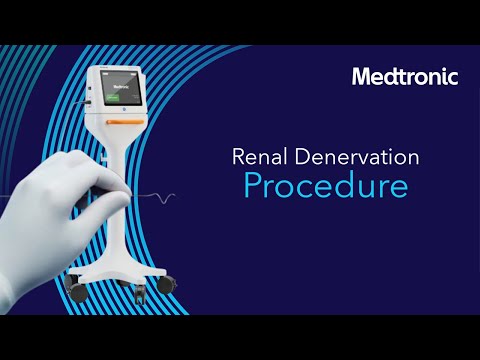
Hey there! So, let’s chat about something we all probably know someone dealing with—high blood pressure, or hypertension. It’s a real pain in the neck, right? Well, guess what? There’s this cool new technology that might just shake things up in how we treat it: renal denervation.
Sounds fancy, huh? But don’t worry. It’s not as complicated as it sounds! Basically, this technique aims to help your body manage blood pressure better by messing with some nerves in your kidneys. Crazy, right?
Imagine if there was a way to tackle hypertension without piling on more medications. That’d be a game changer! Anyway, let’s dive into what renal denervation is all about and why it could mean great things for folks battling high blood pressure every day. Ready? Here we go!
Exploring the Success Rate of Renal Denervation: Key Insights and Outcomes
So, renal denervation, huh? It’s been the talk of the town lately when it comes to treating hypertension, or as most of us just call it, high blood pressure. Now, this isn’t just any flashy new tech; it’s actually a pretty interesting procedure that aims to help people manage their blood pressure better.
Basically, renal denervation involves using radiofrequency or ultrasound energy to disrupt the nerves around your kidneys. These nerves play a big role in regulating blood pressure. When they’re messed with—gently, I promise!—the body may respond by lowering blood pressure. Pretty cool, right?
Now, here’s where the success rate comes in. In studies and trials, results have shown varied outcomes for patients. Some folks experience significant drops in their blood pressure after undergoing the procedure, while others might not see much difference at all. It’s sort of like trying out a new diet; some people swear by it and others wonder what all the fuss is about!
Let’s break down some key insights into how well this all works:
- Success Rates: Clinical trials suggest that about 30-50% of patients experience a meaningful decrease in blood pressure.
- Limitations: Not everyone is a candidate; those with secondary causes of hypertension might not benefit as much.
- Long-Term Effects: There are still questions on how long these benefits last after the procedure—studies are ongoing!
Sometimes I think about my friend Sara who struggled with high blood pressure for years. She tried everything—diet changes, medication—you name it! Then she heard about renal denervation and gave it a shot. After the procedure, she felt like she had more energy and wasn’t constantly worrying about her numbers anymore. It was like a weight lifted off her shoulders.
That said, it’s super important to remember that renal denervation doesn’t replace regular healthcare or medication for blood pressure management. It’s just one tool in an arsenal that may help some people.
So if you or someone you know is dealing with high blood pressure and considering options like renal denervation, definitely chat with your healthcare provider to explore what’s best for you!
Understanding the Renal Denervation Procedure: Benefits, Risks, and Outcomes
Renal denervation is a term you might not hear every day, but it’s becoming a significant player in the world of hypertension treatment. So, let’s break this down into bite-sized pieces.
What is Renal Denervation?
It’s a procedure that focuses on the kidneys, specifically targeting the nerves around them. These nerves play a role in regulating blood pressure. Think of them as little messengers that send signals to control how your body handles blood pressure—like tiny couriers trying to manage the flow of traffic on a busy highway.
Benefits of Renal Denervation
This procedure can help lower high blood pressure, especially for those who haven’t had much luck with traditional meds. Often, it means people can find relief without constantly battling side effects of various medications. Imagine someone who felt like they were walking on eggshells around their blood pressure and suddenly feels more at ease—that’s what renal denervation can do!
- Reduced Blood Pressure: Many patients experience significant drops.
- Less Medication: Some might even cut back on their pills.
- Improvement in Quality of Life: Less worry about fluctuating numbers can be freeing.
Risks Involved
Of course, it wouldn’t be right to gloss over the risks. While many find success with this procedure, it isn’t without its potential downsides. For some folks, there could be complications or adverse reactions—like any other medical procedure.
- Nerve Damage: There’s always a chance of accidentally affecting surrounding nerves.
- Kidney Dysfunction: Some patients report issues afterward.
- Mild Pain or Discomfort: It’s not uncommon for there to be some soreness post-procedure.
The Outcomes You Can Expect
Now, let’s talk outcomes. While results vary from person to person, many people see positive changes over time.
Most studies show that renal denervation can lead to meaningful drops in blood pressure for many patients—like a gradual turn towards calmer waters after a storm. But keep in mind that it doesn’t work for everyone; some might not achieve the desired effect.
So where does this leave you? Well now, if you’re considering renal denervation or just want more info about your health options, chatting with your healthcare provider is key. They’ll help you navigate all the ins and outs based on your unique situation—because no cookie-cutter approach works here!
Ultimately, it’s about finding what works for you and helping your body feel its best. Just remember this info isn’t a substitute for professional healthcare—it’s just a little peek into an innovative space!
Understanding the Side Effects of Renal Denervation: What Patients Need to Know
It’s pretty cool how medical technology keeps evolving, right? One of the more interesting recent developments is **renal denervation**. It’s something that’s been gaining attention lately, especially for folks dealing with **hypertension**, also known as high blood pressure. But hey, like anything new in medicine, it comes with its own set of possible side effects. Let’s dive into what you might want to know about it.
So, renal denervation involves using a special device to target the nerves in your kidneys. The idea is that by interrupting certain signals, it can help lower blood pressure. Sounds pretty straightforward, huh? But here’s the catch: not everyone reacts the same way to this kind of procedure.
Some potential side effects might include:
- Kidney issues: There might be a chance of affecting kidney function.
- Changes in blood pressure: Sometimes blood pressure can drop too low after the procedure.
- Pain or discomfort: You could feel pain around the area where they did the procedure.
- Infection risk: Like with any surgery, there’s always a slight risk of infection.
I remember talking to my friend Sarah who was really curious about this treatment for her own hypertension struggles. She had read about renal denervation and felt hopeful but also nervous. She wondered if she’d experience any side effects and what those could mean for her long-term health goals.
It’s important to understand that while some people walk away from renal denervation without issues, others may have a rougher time. That doesn’t mean it isn’t worth considering—just that you should talk to your healthcare provider about all the pros and cons.
At the end of the day, knowledge is power! You need to weigh your options and arm yourself with information before making any decisions about treatments like renal denervation. And remember: this info isn’t meant to replace professional healthcare advice! Keep asking questions and stay informed—it’ll do wonders for your peace of mind!
Renal Denervation Therapy: A Comprehensive Guide to Benefits, Procedures, and Outcomes
Renal denervation therapy is shaking things up in the world of high blood pressure treatment. You might be wondering, “What on earth is that?” Well, it’s a procedure that targets the nerves around your kidneys to help control blood pressure. Sounds fancy, huh? Let’s break it down!
What is Renal Denervation?
Basically, this treatment aims at reducing the activity of the sympathetic nerves that can make your blood pressure go sky-high. These nerves are like tiny messengers that send signals to your kidneys and affect your body’s fluid balance and overall blood pressure.
How Does It Work?
During the procedure, a doctor uses a catheter (just a super thin tube) to deliver energy pulses to those pesky nerve endings around your kidneys. This process essentially “turns down” their overactivity. It’s done under local anesthesia, so you won’t feel much!
Benefits You Should Know
So why all the buzz about this therapy? Here are some cool points:
- Lower Blood Pressure: Many patients experience a significant drop in their blood pressure after treatment.
- Meds Might Be Reduced: Some folks find they can cut back on their hypertension medications.
- No Major Surgery: Since it’s less invasive, recovery tends to be quicker than traditional surgeries.
The Outcomes
While many people see positive results, it’s important to remember that not everyone responds the same way. Some might notice improvements while others may not see big changes in their blood pressure. Long-term outcomes are still being studied, so stay tuned!
It reminds me of my neighbor, Betty. She had been struggling with her blood pressure for years and felt like she was running out of options. When she heard about renal denervation therapy, she was both scared and hopeful. After trying it out, she felt more like herself again—not constantly worrying about her numbers!
After all this info, just keep in mind: renal denervation is an exciting new option but doesn’t replace any professional healthcare advice or existing treatments you may be on. Always chat with your doctor before making decisions about your health!
Hey there! So, let’s chat a bit about hypertension and this cool buzz surrounding renal denervation technology. I mean, it’s a bit of a mouthful, right? But it’s definitely something to keep an eye on!
You know how we often talk about stress and its crazy effects on our bodies? I’ve seen friends struggle with their blood pressure, feeling like it’s this weight they just can’t shake off. One buddy of mine had to give up his favorite salty snacks just to manage his hypertension. It’s tough! But here comes this renal denervation tech looking like a superhero in the medical world.
So basically, renal denervation is a procedure that targets the nerves around the kidneys. These little guys play a big role in controlling blood pressure. When they get overactive, it’s like they’re giving your body mixed signals—like yelling at you when you’re trying to chill! This tech aims to calm those nerves down.
What I find fascinating is how minimally invasive it can be. Instead of going through major surgeries with long recovery times, this procedure often involves just a catheter. It’s kind of like using a tiny straw that zaps those pesky nerves into submission. Sounds futuristic, right?
But here’s the thing: while this technology shows promise and could be a game-changer for some folks who struggle with medication or side effects, it’s also essential to remember that everyone’s health journey is different. Some may benefit immensely from this treatment while others might still need to stick with lifestyle changes or medications.
At the end of day, anything that helps people live healthier lives is worth talking about! Just think of all those people who might finally feel free from constant monitoring and restrictions—what a relief! But always remember to chat with your healthcare provider before jumping into new treatments or technologies.
So yeah, renal denervation could bring some fresh vibes into hypertension treatment! Let’s stay hopeful but also keep our eyes open as research continues rolling out more info on it. Who knows what other surprises are waiting around the corner?
