

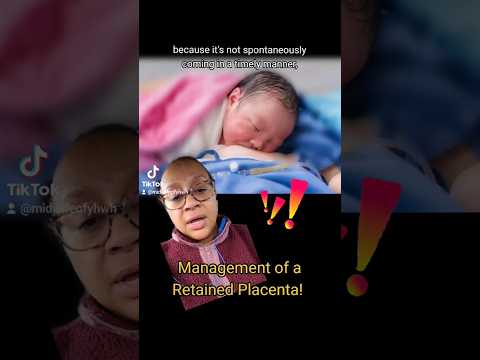
Hey there! So, let’s chat about something that’s not often talked about but super important—retained placenta. It might sound a bit clinical, but trust me, it can seriously impact new moms.
Picture this: You just brought your little one into the world. You’re on cloud nine, and then… bam! Something feels off. That’s where the whole retained placenta thing comes into play. It’s like having a surprise guest at a party you weren’t expecting.
This stuff matters because it affects not just births but post-birth recovery too. I mean, who wants to worry about complications when you should be enjoying those precious moments with your newborn?
We’re diving into how people are tackling these challenges head-on and making things better for moms everywhere. Ready? Let’s get into it!
Effective Interventions for Retained Placenta: Understanding Treatment Options and Recovery Strategies
Hey there! Let’s chat about something that doesn’t get talked about much but is super important: the retained placenta. It’s when the placenta doesn’t come out naturally after childbirth, and trust me, it can be a bit of a challenge.
So, what happens if this occurs? Well, first off, you’re not alone. It happens to some women, and understanding the options for handling it is key. There are typically a few paths doctors might consider.
- Medication: Sometimes doctors will use medication to help the uterus contract. This can encourage the placenta to detach and come out naturally.
- Surgery: If medication doesn’t do the trick, a minor procedure may be needed. This can involve removing any remaining parts of the placenta from the uterus. It sounds scary but is usually safe and routine.
- Monitoring: After birth, healthcare providers keep an eye on you. They’ll monitor for any signs of infection or excessive bleeding because those can happen when there’s retained tissue.
You know that feeling when you’re just exhausted after having a baby? Picture this: A friend of mine had a tough time with this exact issue. She was so tired yet worried about her recovery. Doctors quickly helped her understand her options, which included some meds that really gave her body a nudge back into gear! She felt relieved knowing she was in good hands.
Recovery strategies also play an essential role here. Resting is critical—your body needs time to heal after all that hard work of bringing new life into the world! Hydration and good nutrition can help speed things along too.
Remember though, whatever happens, make sure you talk to your healthcare provider if you have concerns—that way you’ll get the best care tailored just for you. They’ll guide you through everything from symptoms to management practices!
The bottom line? Retained placenta isn’t something to be ashamed of; it’s just part of some women’s experiences post-birth. Take it one step at a time, okay?
Understanding the Risks: Is a Retained Placenta Life-Threatening?
Hey there! Let’s chat about something that can sound a bit scary: retained placenta. You might’ve heard of it, but what does it really mean? Basically, after childbirth, when the placenta doesn’t come out like it’s supposed to, that’s what we call a retained placenta. And yeah, it can lead to some serious issues if not handled properly.
So, is it life-threatening? Well, it can be if not treated. Here are some key points to keep in mind:
- Infection Risk: When the placenta sticks around too long, it can cause infections. Your body’s natural response is to fight off those infections, which can take a toll on your health.
- Heavy Bleeding: Another concern is hemorrhaging. If the placenta remains attached to the uterus, it can lead to excessive bleeding—a pretty big deal.
- Emotional Impact: Let’s not forget about the emotional side of things. Experiencing complications after childbirth can be overwhelming and stressful for new parents.
You know, I once heard a story from a friend who had a tough time after giving birth. She thought everything was going smoothly until she learned she had a retained placenta. The doctors had to step in quickly to manage things and luckily she was okay! Just goes to show how important it is for healthcare providers to stay alert during and after delivery.
At the end of the day, any concerns about retained placenta should definitely be discussed with your healthcare provider—they’re the best ones for this kind of stuff. Just remember that staying informed is key!
Understanding the Side Effects of Manual Placenta Removal: Risks and Considerations
Okay, so let’s chat about something that’s a bit sensitive but super important: manual placenta removal. This usually happens when the placenta doesn’t come out naturally after childbirth. Sounds a bit scary, right? Well, it is important to know what could happen during and after this procedure.
First off, you gotta understand that there are always risks involved with any medical procedure. With manual placenta removal, there can be some side effects you should think about:
- Infection: There’s a chance of getting an infection in the uterus or surrounding areas. And trust me, nobody wants that.
- Bleeding: Sometimes, the removal can lead to heavier bleeding than expected. This needs some serious attention.
- Uterine perforation: In rare cases, there’s a risk of damaging the uterine wall. Yikes! That sounds intense.
- Emotional impact: It can be pretty overwhelming dealing with any complications after childbirth, both physically and mentally.
I remember a friend of mine who went through this process. She told me how scary it felt at the moment but was relieved when her healthcare team was super supportive and explained everything to her. It really made her feel better knowing she wasn’t alone in it all.
The thing is, while most women recover just fine after manual placenta removal, knowing these potential side effects can help you prepare for what might come up. Always have a chat with your healthcare provider if you have questions or concerns—they’re your best resource.
The key takeaway here? Your health matters, so stay informed and keep those lines of communication open with your docs! Take care of yourself; you deserve it!
Understanding the Three Types of Retained Placenta: Causes, Symptoms, and Treatment Options
Understanding retained placenta can feel a bit overwhelming, especially if you’re hearing about it for the first time. So, let’s break it down together in a chill and straightforward way.
First up, what is retained placenta? It happens when some or all of the placenta doesn’t come out after childbirth. It can be a little scary, but knowing the types and symptoms could help ease your mind. There are actually three main types of retained placenta:
- Placenta Accreta: This is when the placenta grows too deeply into the uterine wall.
- Placenta Increta: Here, it grows even deeper, invading through the uterine muscle.
- Placenta Percreta: This one goes beyond the uterus and might affect nearby organs.
Let’s chat about some symptoms you might notice. After giving birth, if you still experience heavy bleeding or see large clots, that could be a sign something’s up. Plus, feeling super weak or dizzy may also pop up. It’s important to reach out to a healthcare professional if anything feels off.
Now, why does this happen? Well, there are a few possible causes! Sometimes it’s linked to previous surgeries on the uterus or having multiple pregnancies. Other times, factors like advanced maternal age or certain medical conditions can play in too.
As for treatments—remember this isn’t a DIY situation! If someone experiences retained placenta, they usually need help from a medical team to remove it safely. This might involve medication to help expel any leftover tissue or sometimes surgery for more severe cases.
Just keep in mind that while understanding this stuff is crucial, it’s always best to talk things over with professionals who can provide proper care. So don’t hesitate to reach out if you have any concerns! At the end of the day, knowledge is power—and being informed is step one on your journey!
You know, it’s pretty incredible how far we’ve come in understanding and managing childbirth. Yet, there are still some challenges that could really use more attention. One of those is retained placenta. Now, I know what you might be thinking: “What’s the big deal?” But trust me, it can cause some real complications if it’s not addressed properly.
Let me share a little story with you. A good friend of mine had her baby a couple of years ago. Everything seemed fine—she was glowing, excited, and ready to embrace motherhood. But then, after the baby was born, things took an unexpected turn. The doctors found that part of the placenta had stayed behind. It wasn’t something she expected or even knew could happen! She ended up having to go through extra treatments to remove the retained tissue. Talk about stress on an already overwhelming experience!
Honestly, it shocked me how little I knew about this issue before hearing her story. Retained placenta can lead to conditions like infections or heavy bleeding if not managed right away, which is super scary for new moms who are already tired and trying to figure everything out with their newborns.
The thing is, we need more conversation around this topic both in medical circles and among expecting parents. There’s so much focus on prenatal care and labor itself but not so much on what happens *after* the baby arrives. And I think that’s where we need some evolution—more education on what to expect post-delivery could really help.
We’ve got doctors and healthcare professionals doing their best to tackle this challenge with better monitoring techniques during labor and understanding risk factors ahead of time. And hey, even technology is getting involved! Some hospitals are using advanced imaging techniques to spot issues early.
But do you know what would really help? Just talking about it more openly! Sometimes it’s just about sharing experiences like my friend’s that could make someone else feel less alone or unprepared.
So yeah, retaining placenta might not sound like a fun topic at dinner parties (or maybe it would?), but bringing awareness can seriously make a difference in ensuring women have healthier pregnancies overall. At the end of the day, isn’t that what we all want? More support and understanding as we navigate those crazy yet beautiful moments in life?
