

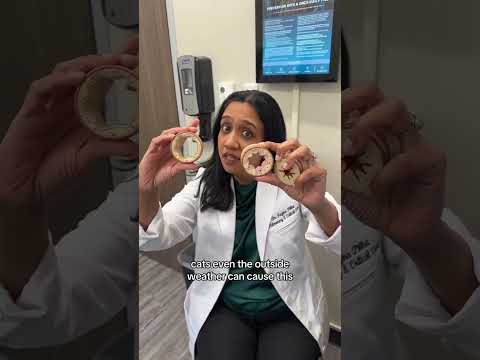
Hey there! Let’s talk about something that affects a lot of people but doesn’t always get enough attention: asthma. Seriously, it can be a real pain, right?
Imagine you’re out having fun with friends, and suddenly, whoosh! You can’t catch your breath. Not cool at all.
Spotting asthma symptoms early is super important. It’s like having an early warning system for your lungs. The sooner you notice them, the easier it is to breathe easy later on.
In this chat, we’ll dive into what to look for so you can stay ahead of the game. You ready? Let’s do this!
Understanding the 4 Cardinal Symptoms of Asthma: A Comprehensive Guide
Alright, let’s dive into the 4 cardinal symptoms of asthma. You know, if you or someone you care about has asthma, recognizing these signs early can really help manage the condition better. It’s all about making breathing easier, right?
So, first up is shortness of breath. This is when you feel like it’s hard to catch your breath, especially during physical activity or when you’re feeling stressed. It can catch you off guard—like when I was jogging one day and suddenly felt like I was running out of oxygen! Not fun.
Next on the list is wheezing. Ever heard that whistling sound while breathing? Yup, that’s wheezing! It often happens when you breathe out and can be a sign that your airways are a bit constricted. Imagine trying to breathe through a straw—definitely not ideal!
The third one is chest tightness. This can feel like someone is sitting on your chest or maybe even wrapping it in a tight hug. It can be pretty uncomfortable and could make activities that require deep breaths feel daunting.
Last but not least is coughing, particularly at night or early in the morning. This isn’t just any cough; it often feels dry and persistent. It might wake you up from a good sleep—talk about annoying! Coughing can be your body’s way of signaling that something isn’t right.
To sum it all up: shortness of breath, wheezing, chest tightness, and coughing are key symptoms to watch for if asthma is in the picture. Of course, this isn’t medical advice or anything like that—just some friendly info to keep you informed!
If any of these symptoms sound familiar and they’re causing concern, chatting with a healthcare professional is always a good move. After all, they can help sort things out.
Recognizing Silent Asthma Attack Symptoms: Key Signs You Shouldn’t Ignore
Asthma can be a sneaky thing. Some people don’t even realize they’re having an attack because the symptoms aren’t always, you know, super obvious. Still, knowing those silent signs is really important. You want to catch things early so you can breathe easier, right?
So, what should you look out for? Let’s break it down:
- Coughing: If you find yourself coughing a lot—especially at night or during exercise—it might be a sign. It’s like your body is trying to tell you something isn’t right.
- Shortness of breath: Ever feel like you just can’t catch your breath? That feeling of being winded can sneak up on you, particularly during activities that used to be easy.
- Chest tightness: Imagine someone giving you a gentle squeeze around your chest. That tight feeling can mean your airways are getting narrow. You really don’t want to ignore this!
- Wheezing: This sounds like a whistle when you breathe out. It’s often more noticeable during the night or when you’re active.
- Fatigue: Feeling tired out of nowhere? Sometimes asthma can drain your energy because it’s working hard to breathe.
Let me tell ya, I once had a buddy who thought he was just having seasonal allergies because he was coughing and felt a little tight in his chest. But nope! Turned out he had asthma that needed attention! It was a real eye-opener.
If you’re noticing any of these signs in yourself or someone else, please don’t hesitate to reach out to a healthcare professional for advice—you know? Your lungs deserve some good care! Remember that staying aware is key so that asthma doesn’t catch you off guard.
At the end of the day, breathing should be as easy as pie! Don’t let those silent symptoms sneak up on ya!
Understanding the Dangers: How Long Can an Asthma Attack Last Before It Becomes Fatal?
Hey there! Let’s chat about asthma attacks and why understanding them is super important. So, you know, asthma can be a bit scary when it hits. It’s like your airways get all tight and making it difficult to breathe. But how long can an asthma attack last before it turns really serious? Well, the truth is, it can vary quite a bit.
Generally speaking, an asthma attack can last anywhere from a few minutes to several hours. Sometimes, they even drag on for days if not treated properly. Here’s the thing: the longer the attack lasts, the more dangerous it can become.
- A mild attack might feel like slight wheezing or tightness in your chest.
- A moderate attack usually means you’re struggling more to breathe and may need help with medication.
- A severe attack is no joke; if you’re feeling totally unable to catch your breath, you gotta seek emergency help immediately!
I remember my friend Sam had an asthma attack during a hike once. It was all fun until suddenly he couldn’t catch his breath. Luckily, he had his inhaler handy and took a puff right away. But he told me later that when it lasted longer than usual, he really started panicking—kind of a scary moment!
It’s essential to recognize those key symptoms early. You need to pay attention to signs like wheezing or coughing—those are major red flags! And don’t forget about feeling unusually tired or out of breath during activities that normally wouldn’t bother you.
You should always keep in mind that severe attacks can lead to serious health risks if not managed quickly—and sometimes they can even be fatal. That’s why being prepared makes such a huge difference! Having an action plan or knowing when to call for help could really save someone’s life in panic moments.
So yeah, stay aware of your body and listen closely when something feels off. Always consult with healthcare pros for advice tailored just for you because I’m not replacing their expertise! Just keeping the conversation real here!
Understanding the Risks: Can Asthma Be Fatal?
Hey there! Let’s talk about asthma for a minute. You might’ve heard some scary things about it, right? So, can asthma actually be fatal? The short answer is, yes, it can be serious. It’s important to recognize what’s going on with your body if you or someone you know has asthma.
Asthma is all about how your airways react to certain triggers. When your airways get inflamed or constricted, breathing becomes hard. This can lead to what’s known as an asthma attack. During an attack, you might feel tightness in your chest, wheezing, or even coughing a lot. In some cases, this can become severe and lead to dangerous situations.
So why is it that some people end up in real trouble? Well now, there are a few factors at play:
- Control: If your asthma isn’t well-managed with medication and lifestyle changes, the risks go up.
- Severity: Some folks have more severe asthma than others. If you’re in that group, you may need extra care.
- Triggers: Things like pollen, smoke, or pet dander can really set off symptoms. Knowing your triggers is key!
- Age and health: Younger kids and older adults may face more challenges during an attack because their bodies might not respond the same way.
You know what really makes me think? I once heard about a friend’s brother who had asthma but never took it seriously. He thought he could just power through the symptoms until one day he couldn’t catch his breath at all. Luckily he made it to the hospital in time but wow—what a wake-up call!
The important thing here is awareness. Recognizing those early signs of trouble will make a huge difference in how things go for someone with asthma. But remember: this chat doesn’t replace professional healthcare advice. Always check in with a doc if you’re feeling worried!
Breathe easy! Understanding these risks helps keep everyone safer and healthier.
You know, asthma can feel like an invisible monster lurking around. I remember my friend Jess in high school. One day, we were playing soccer, and suddenly she just stopped running. I thought she was tired or something, but she was wheezing so badly! I never realized it, but that’s when I first learned about asthma and how sneaky it can be.
So, what are those signs? Well, one of the big ones is shortness of breath. You might feel like you’re gasping for air or that your chest is tightening up. It can catch you off guard—especially if you’re used to running around like a cheetah! Coughing is another sneaky symptom. Imagine trying to enjoy a lovely evening out, and you just can’t stop hacking away—super awkward, right?
Oh, and let’s not forget about wheezing. That’s that whistling sound when you breathe out—kind of alarming if you’ve never heard it before! Then there’s feeling extra tired after doing activities you usually breeze through. It’s like your body is whispering to you: “Hey, something’s up!”
Recognizing these signs early can really make a difference in how someone lives with asthma. For Jess, once she figured things out with her doctor and got the right treatment plan going, her life became so much easier! She could run without fear and enjoy time with friends rather than worry about her next attack.
So that’s why being aware is key! If you notice any of these symptoms in yourself or someone else, don’t ignore them. It’s always a good idea to chat with a healthcare professional because they really know their stuff when it comes to managing asthma properly.
Honestly, breathing easy shouldn’t be an uphill battle for anyone. And with some awareness and action, it doesn’t have to be! Talking about it openly is super important too—it can help others feel less alone in their experiences.
