

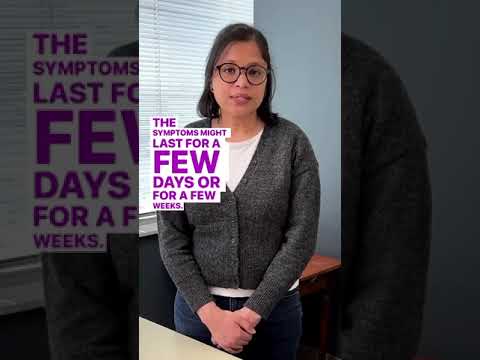
Hey there! So, let’s chat about something super important today: HIV. Yeah, I know, it’s a heavy topic. But here’s the thing—getting informed can really make a difference. Seriously!
Recognizing the early signs of HIV can help you or someone you care about make better health decisions. And trust me, the sooner you know, the better it is for everything else in life, right?
You might be wondering what those signs even are. Well, sometimes they’re so subtle! It can feel like a sneaky little ninja creeping up on you. But don’t worry; we’ll break it all down together.
So grab your coffee (or tea!) and let’s dive into this. Knowledge is power, my friend!
Understanding the First Signs of HIV: Early Symptoms to Recognize
Okay, so let’s chat about something important: the first signs of HIV. You might have heard a lot about HIV, but honestly, it can be kind of confusing. So, what are those early symptoms you should watch for?
When someone gets infected with HIV, it’s not always like a big flashing light saying, “Hey, something’s wrong!” Sometimes, the symptoms can be pretty mild or just seem like a regular flu. But recognizing them early is crucial for making informed health decisions.
Here are some key symptoms to look out for:
- Fever: A mild fever could show up as your body tries to fight off the virus.
- Fatigue: Feeling super tired all the time—like you can’t shake that sleepiness?
- Sore Throat: If your throat feels scratchy and it’s not just from shouting at a concert.
- Mild Rash: Sometimes you might notice a little rash on your body that wasn’t there before.
- Lymph Node Swelling: Ever feel lumps in your neck or underarms? That could be linked!
- Mouth Ulcers: These annoying little sores can pop up and make eating or talking uncomfortable.
The thing is, these symptoms can easily get brushed off as something else. I mean, who hasn’t had a rough cold that left them feeling sluggish? But if you’re experiencing several of these at once and they’re hanging around longer than usual, it might be worth getting things checked out. Seriously.
A friend of mine felt run down for weeks. He thought he was just working too hard and not sleeping enough. But when he finally went to get checked—the doctor recommended an HIV test based on his symptoms—and guess what? It turned out he was positive. Seeing him go through that opened my eyes; early detection really matters!
So remember: while these signs don’t automatically mean you’re dealing with HIV, keeping an eye out for changes in your health is super important. And if you’re ever unsure or worried? Talk to a healthcare professional! Your health matters more than anything else!
This info isn’t here to diagnose or prescribe anything; it’s just meant to help you understand what to look for. Always reach out to someone qualified if you have questions or concerns about your health!
Recognizing Early Signs of HIV in Women: A Comprehensive Guide
Alright, so let’s chat about something super important—recognizing the early signs of HIV, especially for women. You know, awareness is key to making better health decisions. So here we go!
HIV, or Human Immunodeficiency Virus, can affect anyone, but women might experience some unique early signs. It’s all about knowing your body and being aware of what’s normal for you.
- Flu-like symptoms: Early on, you might feel tired or have swollen lymph nodes. It can feel like you’re coming down with a bad cold or flu.
- Unexplained weight loss: Losing weight without trying can be a sign. If your favorite jeans are suddenly baggy, it might be time to pay attention.
- Skin changes: Rashes or sores that don’t go away? Not cute! Those could be signs to look into.
- Persistent fatigue: Feeling super drained even after a good night’s sleep? That constant tiredness isn’t just in your head.
- Mood swings: Sometimes emotional changes happen too! Feeling sad or anxious without any reason can pop up during the early stages.
You know, my friend Jenna started feeling really off last year—tired all the time and losing weight she didn’t plan on losing. She thought it was stress from work until she realized something wasn’t right. It just goes to show that listening to your body can make a big difference!
If you notice any of these signs hanging around longer than they should, it could be worth chatting with a healthcare professional. But remember, these symptoms alone don’t mean you have HIV; they can relate to other health issues too.
The thing is, early detection can lead to better health outcomes! Being informed means you’re taking control of your health journey. So keep an eye out for changes in your body and don’t hesitate to reach out if something feels off.
This info is simply here to help you understand more about these signs—always consult a healthcare provider for professional advice!
Understanding HIV Urine Symptoms: Key Signs to Watch For
Alright, let’s dive into something important: understanding symptoms related to HIV, specifically when it comes to urine. It’s a bit of a tricky subject, but don’t worry. I’m here to break it down for you.
First off, HIV stands for Human Immunodeficiency Virus. It attacks your immune system, making it harder for your body to fight off infections. You might not notice symptoms right away—sometimes they can take years to show up! But there are some signs you can keep an eye on.
One common symptom that can crop up is changes in your urine. So what should you watch for? Here are a few things you might notice:
- Frequent Urination: If you’re running to the bathroom more often than usual and it’s not just because you’ve been chugging water.
- Painful Urination: If it hurts when you pee, that’s worth paying attention to.
- Unusual Color or Smell: If your urine looks darker than normal or smells stronger—it could be an indicator something’s off.
- Blood in Urine: This one’s serious. If you see blood, don’t wait around; get it checked out ASAP.
I remember a friend of mine who started noticing he was going to the bathroom way too often and thought maybe he was just overdoing his coffee intake (you know how that goes!). But guess what? It turned out he needed to be tested for HIV because he noticed other symptoms too. Thankfully, he caught it early!
The thing is, these symptoms can point to a bunch of different issues—not just HIV. So if you’re experiencing any of them, talking with a healthcare professional is super important!
Your health matters, and being aware of changes in your body can help you make better decisions moving forward. Remember, this info doesn’t replace seeing someone who knows about this stuff professionally—so don’t hesitate if something feels off!
Understanding Long-Term HIV Infection: Can You Live Unknowingly with HIV for 20 Years?
Hey there! So, let’s have a chat about HIV and what it means to live with it for a long time, like, you know, 20 years. You might wonder if it’s actually possible to live unknowingly with HIV for that long. The answer is yes, but let’s dive into it.
First off, HIV—short for human immunodeficiency virus—can be sneaky. Many people might not show any symptoms for years. It’s like finding that old snack in your backpack; sometimes you just forget it’s there! So, how does this happen? Well now, here are some key points to consider:
- Asymptomatic Stage: For many folks with HIV, the virus can be chilling in your body without causing noticeable symptoms. This asymptomatic stage can last a really long time.
- Immune System Function: Your immune system kinda works overtime to fight back against the virus. That’s why you might not feel sick at all!
- Regular Testing: Many people don’t get tested regularly unless they think they’ve been exposed. If you’re not checking in on your health, you could be totally unaware.
I remember my friend Sarah who was always healthy and active. She didn’t think anything of it when she felt a bit tired now and then. Fast forward years later: she got tested during a routine check-up and found out she had been living with HIV unknowingly! Can you imagine? It hit her hard, but luckily she took charge and learned about managing her health.
The thing is, recognizing early signs of HIV really matters. Some signs include:
Persistent fatigue, unexplained weight loss, or even some fevers that just won’t quit. These can signal something isn’t right!
If you relate to any of this—whether you’re reading this for yourself or someone close to you—just remember: don’t let fear hold you back from getting tested or talking openly about health issues.
The bottom line is this: living with HIV for years without knowing is possible but awareness is key. Regular check-ups can help catch things earlier and lead to better decisions for your health down the road! And hey, always reach out to healthcare professionals—they’re there to help!
You know, when we think about health, sometimes it feels like a huge mountain to climb. Especially when talking about HIV. I remember a friend of mine sharing his story about how he found out he was positive. It was heartbreaking but also eye-opening for me. He talked about the tiny signs he brushed off for way too long.
Recognizing early signs of HIV can be tricky since they often mimic other illnesses, and let’s be real, who isn’t exhausted all the time or dealing with random headaches? Like, it’s life! But keep in mind that the sooner you catch something, the better your chances are for managing it.
Some early signs to look out for can include fatigue that just doesn’t quit, fevers that come and go, or maybe some swollen lymph nodes—those little glands that act like your body’s alert system. If you’re feeling unwell consistently with no clear cause, that’s usually your body giving you a nudge, saying “Hey! Pay attention over here!” And it’s not just about freak-outs; it’s more like being aware of what’s going on with yourself.
Being proactive is key! You might feel nervous about even thinking of getting tested, but trust me—it can be a relief to know your status either way. And if you’re aware of those early signs? Well now, that could lead to making decisions in your life that truly support your health down the line.
Just remember—this is not medical advice or anything like that; I’m just sharing thoughts based on what I’ve seen and heard from others. Being informed is empowering! So if you notice anything weird going on with your body or just need some clarity? It might be worth chatting with someone who knows more about this stuff than we do.
At the end of the day, caring for yourself means recognizing those little hints from your body. And isn’t that what we’re all trying to do?
