

Hey there! Have you ever thought about how tough life can get when substances take over? Seriously, it’s a wild ride. But here’s the thing: change is totally possible. That’s where substance abuse counselors come in.
They’re like guides on this rocky journey, helping people find their way back to themselves. It’s not just about quitting; it’s about living a life full of hope and purpose again.
Imagine someone who once felt lost in a dark tunnel, suddenly catching a glimpse of light. That’s the power of support. It’s more than just advice; it’s about building connections and fostering change.
In this chat, we’ll dive into how these counselors do their magic. Get ready to discover the heart behind the work that brings people back from the edge—even when things seem hopeless.
Understanding the Roles and Responsibilities of a Substance Abuse Counselor
So, you’ve heard about substance abuse counselors but not sure what they really do? You’re not alone! The role of a substance abuse counselor is incredibly important and can be a bit tricky to understand. Let’s break it down together.
First off, what exactly does a substance abuse counselor do? They primarily help people struggling with addiction to drugs or alcohol. It’s kind of like having a supportive friend who guides you through tough times while also offering professional advice.
Some key responsibilities of these counselors include:
- Assessing client needs: They listen to clients, ask questions, and figure out what kind of support is needed.
- Creating treatment plans: Based on the assessment, they work with clients to come up with a personalized plan to tackle their challenges.
- Providing individual counseling: This means one-on-one sessions where they help clients explore their feelings and behaviors related to substance use.
- Conducting group therapy: Sometimes people feel more comfortable sharing in a group. Counselors facilitate these sessions to create a safe space for everyone.
- Supporting families: Substance abuse can impact more than just the person using. Counselors often work with families to help them understand and support their loved one better.
You know that feeling when someone really gets you? That’s what these counselors aim for – building trust and rapport. It’s all about providing that emotional support while helping clients make meaningful changes in their lives.
The job isn’t easy; it requires patience and empathy. Imagine working with someone who might be angry or scared about facing their addiction. Those moments can be tough! But, seeing progress in clients can be incredibly rewarding too.
If you’re thinking about becoming a counselor or just want to understand their role better, remember—this isn’t just about getting someone clean; it’s about empowering change and helping them discover healthier pathways for life. But don’t forget, this information doesn’t replace professional healthcare advice!
The thing is, counselors play such a powerful role in someone’s recovery journey. Just like having that friend who encourages you during hard times, they’re there to help people believe they can find better days ahead!
Understanding the Stages of Change in Substance Abuse Counseling: A Comprehensive Guide
Understanding the Stages of Change in Substance Abuse Counseling
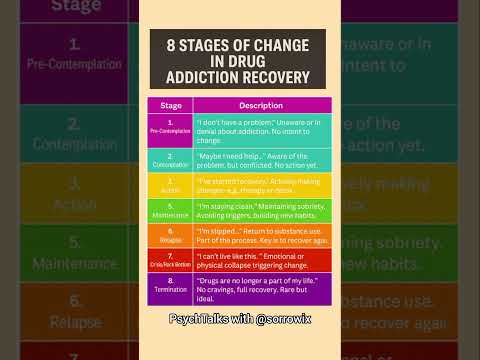
Alright, let’s dive into something pretty interesting! When we talk about substance abuse counseling, there’s this cool concept called the “Stages of Change.” This idea helps counselors understand where someone is on their journey to change. And you know what? It really empowers people to take steps toward a healthier life!
So, generally, there are five stages people move through:
- Precontemplation: At this stage, folks aren’t even thinking about changing their habits. They might not see anything wrong with how they’re living. Imagine someone who thinks they can control their drinking but isn’t ready to admit it could be a problem.
- Contemplation: Here, a person starts to recognize that change might be necessary. They think about the pros and cons. It’s like standing on the edge of a pool, debating whether to jump in or just dip a toe!
- Preparation: Now we’re getting somewhere! This is when someone starts planning for change. They might set goals or gather information. You know that feeling when you decide to start running? You get your shoes and research training plans; that’s preparation.
- Action: Alright, this is where things heat up! People actively make changes in their lives—like attending support groups or seeking counseling. Think of it as finally diving into that pool after all the hesitation.
- Maintenance: After making changes, it’s all about keeping up those good vibes! It can be challenging since old habits die hard. Maintenance is like continuing your workout routine even when you don’t feel like it.
But here’s the thing: moving through these stages isn’t always linear. Sometimes folks bounce back and forth between them. That’s totally normal! Change takes time, right?
Now, how does all this relate to counselors? Well, they play an essential role by guiding individuals through these stages. They help people recognize where they are and what steps they can take next.
Remember though, this understanding doesn’t replace professional healthcare or treatment plans—it just gives insight into the process many go through when tackling substance use concerns.
So next time you hear someone mention those stages of change, you’ll know exactly what they mean! Isn’t that empowering?
The Role of Counseling in Effective Substance Abuse Treatment: Understanding Its Impact and Benefits
So, let’s talk about counseling and how it plays a part in substance abuse treatment. Seriously, it’s like the unsung hero of the whole process! You might think that getting clean is all about detoxing or medication, but the truth is there’s so much more to it.
Counseling helps you understand your relationship with substances. It digs deep into why people use drugs or alcohol in the first place. Was it stress? Escape? Peer pressure? The counselor can help you figure out those underlying issues—making sense, right? When you’re aware of what drives you to substance use, you’re already starting to make changes.
Another biggie is the support system. Sometimes you just need a friendly ear. A counselor isn’t there to judge; they’re there to listen and guide. Imagine talking about your struggles and feeling someone genuinely gets where you’re coming from. That connection can be a game-changer!
- Building coping skills: Counseling teaches you healthier ways to handle stress and triggers. Instead of reaching for a drink or drug when things get tough, how about some breathing exercises or journaling?
- Setting goals: Working with a counselor means you’ll set realistic goals for your recovery. It’s like having a road map—you know where you’re heading!
- Mending relationships: A lot of times, addiction strains family ties. Counselors can help facilitate conversations and healing between loved ones. It’s pretty powerful stuff!
You know what’s cool? Sometimes just knowing someone believes in you makes all the difference. When I was chatting with my buddy who went through rehab, he talked about his counselor like they were a superhero! They helped him face his fears and take steps toward his new life.
Counseling isn’t a magic bullet that solves everything overnight—nope! But it’s an essential piece of the puzzle in recovery from substance abuse. So if you or someone close to you is considering this path, keep in mind that having that guidance can really empower change.
This info isn’t medical advice; always reach out to professionals for personalized support when dealing with substance abuse issues!
Key Qualities of an Effective Substance Abuse Counselor
Understanding the Role of a Substance Abuse Counselor
So, you might be curious about what really makes a substance abuse counselor effective. These folks play a crucial role in helping people overcome challenges related to addiction, but there’s more to it than just being there. Let’s break down some key qualities that make them shine in their roles.
Empathy and Understanding
First off, empathy is huge. A good counselor needs to connect with clients on a personal level. Imagine feeling like you’re lost in the woods, and someone comes along who truly understands your struggle. That connection can make all the difference!
Strong Communication Skills
Next up is communication. It’s not just about talking; it’s about listening too! A counselor should create a safe space where clients feel comfortable sharing their thoughts and feelings. You know, sometimes you just need someone who knows how to ask the right questions without judgment.
Patience and Support
Then there’s patience. Recovery isn’t usually a straight line; it’s more of a winding road with ups and downs. Counselors need to stick by their clients through thick and thin, cheering them on even when things get tough—not giving up when setbacks happen is key!
Cultural Competence
Cultural competence matters as well. Everyone has different backgrounds and experiences that shape who they are. A savvy counselor respects these differences and tailors their approach accordingly, making sure everyone feels understood and included—like being part of a community instead of feeling alone in this journey.
Problem-Solving Skills
Finally, problem-solving skills come into play! Effective counselors help clients identify obstacles and brainstorm ways to tackle them together. It’s like working together on a puzzle; sometimes you’ve gotta flip around those pieces to find where they fit!
So there you go! The role of a substance abuse counselor is incredibly important and requires an array of these qualities to really empower change in someone’s life. Remember though—this information doesn’t replace seeking professional help if you or someone close to you needs it!
You know, I’ve been thinking a lot about substance abuse counselors lately. I mean, they really play a huge role in people’s lives, don’t they? It’s like they’re the guiding lights for folks struggling with their habits and addictions. Imagine being in a dark tunnel, feeling hopeless and lost. That’s where many people find themselves when they seek help. Counselors are those warm, encouraging voices that help shine a light at the end of the tunnel.
I remember this one story from a friend who was dealing with addiction years ago. She talked about her counselor as if they were her lifeline. This person didn’t just give her advice or tell her what to do; they listened to her fears and hopes without judgement. It’s that connection—feeling understood—that can really make all the difference.
Substance abuse counselors often have their work cut out for them. They deal with stories that most people can’t even imagine: pain, trauma, struggle—you name it. But instead of shying away from those stories, they dive right in! They empower change not just by providing therapy sessions but also by creating an environment where clients feel safe enough to open up.
You might think it’s all about being tough and saying “no” to substances, but it’s way more complicated than that. Counselors help individuals unpack their emotional baggage and figure out what led them down that path in the first place. It’s like peeling an onion; each layer reveals something deeper underneath!
Sometimes it can be super challenging for both the counselor and the individual. You’re talking about behaviors and patterns that have been ingrained over years—sometimes decades! Yet still, these counselors show up every day with compassion and dedication, ready to walk alongside their clients on this tough journey.
I admire how these professionals adapt their methods based on what works best for each person—they get creative! Maybe one client responds better to group therapy while another needs one-on-one talks or even creative outlets like art or music to express themselves better.
And here’s another thing: it’s not just about recovery from substances; many counselors also bring in life skills training or meditation techniques to help clients build resilience for whatever comes next! It’s like giving someone tools to navigate through rough waters rather than just telling them how to float.
At the end of the day, empowerment is key here. You see it when clients start believing in themselves again—when they begin making choices that lead them towards healthier lives instead of feeling stuck in those old patterns. So here’s to substance abuse counselors everywhere; your work matters more than you know!
