

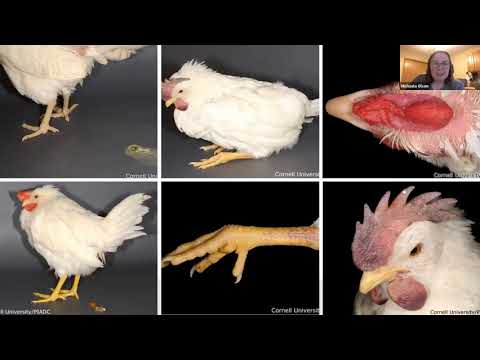
Hey there! So, did you know that birds can get sick, just like us? Yep, it’s true. One of the nastiest things out there for our feathery friends is avian flu.
Imagine waking up one morning and noticing that your chickens aren’t acting like themselves. They seem quieter or are hanging around like they’re not feeling so hot. Yikes! That can be a sign of trouble.
But don’t worry! Spotting those symptoms doesn’t have to be a scary task. There are ways to stay ahead of the game and keep your flock happy and healthy.
Let’s dive into some smart solutions for spotting avian flu symptoms in chickens. It’s all about being aware and knowing what to look for. Ready? Let’s go!
Essential Tips for Protecting Your Chickens from Avian Flu Outbreaks
So you’ve got some feathery friends in your backyard, huh? Chickens can be such a joy, but they can also be vulnerable to things like avian flu. It’s important to know how to keep them safe. Let’s dive into some essential tips for protecting your chickens during outbreaks.
1. Keep Your Distance. These birds are social creatures, but they don’t need to hang out with wild birds or stray animals. If you spot any strange birds around your coop, encourage them to move along. Wild birds can carry the virus without showing symptoms.
2. Cleanliness is Key. Keeping things tidy isn’t just for your home! Regularly clean the coop and run area. Remove droppings, old feed, and anything that could attract pests. A clean environment helps prevent disease spread.
3. Limit Access. Make sure only people who really need to enter the coop do so. This reduces the chance of accidentally bringing in germs from outside. Think of it as VIP access for your chickens!
4. Monitor Their Health. Check on your flock daily—look for signs like coughing or unusual behavior. If something seems off, it’s smart to separate any sick chickens right away and consult someone knowledgeable about chicken health.
5. Vaccination Matters. While there’s no universal vaccine against avian flu available yet, staying informed about vaccination updates or recommendations is super important! This could help protect some flocks during outbreaks.
You know, I once had a friend whose chickens got sick after a wild bird paid an unexpected visit one day. It was heartbreaking seeing her trying to figure out what went wrong! That memory reminds me of how crucial it is to stay vigilant with our feathered pals.
So there you go—keeping those chickens safe from avian flu isn’t rocket science but requires some good practices! Always remember that if things don’t seem right with their health, it’s totally okay (and smart!) to reach out for expert advice because nothing beats professional help when it comes to our beloved pets!
Effective Strategies for Treating Bird Flu in Chickens: A Comprehensive Guide
So, you’re a chicken lover and want to make sure your feathered friends stay healthy. That’s awesome! Bird flu can hit chickens hard, and spotting the symptoms early is super important. Let’s break it down, shall we?
Symptoms of avian flu can be sneaky. Chickens might show signs like:
- Sudden death: This can happen without any noticeable signs.
- Puffed-up feathers: Chickens may look more like fluffy balls than lively birds.
- Coughing or sneezing: Just like us, they can get respiratory issues.
- Lethargy: If they’re not moving around much, that’s a red flag.
- Decreased egg production: Fewer eggs means something might be wrong!
If you notice some of these signs, don’t panic! It’s about being smart. Quarantine any sick birds right away. This helps to keep the rest of your flock safe. And keep an eye on their diets; nutrition plays a big role in any chicken’s health.
You’ve probably heard this before, but prevention is key. Regularly clean their coop and make sure they have fresh water and good food every day. A healthy environment goes a long way in preventing diseases!
The thing is, if you suspect avian flu in your chickens, reach out to a professional—like a vet or local agricultural expert. They’ve got the training and tools to really help you out. You know this isn’t just about keeping your chickens safe; it’s also about everyone they come into contact with.
So there you have it! Stay alert for those symptoms, keep your space clean, and consult with experts when needed. Your chickens will thank you for it!
Essential Guide to Testing for Bird Flu in Chickens: Methods and Best Practices
Hey there! So, you’re curious about testing for bird flu in chickens? That’s super important if you have birds, because avian influenza can spread quickly and cause some serious trouble. Let’s break this down so it’s easy to digest, alright?
Firstly, spotting avian flu symptoms in chickens is key. Common signs include:
- Sudden death or high mortality rates.
- Decreased egg production.
- Coughing, sneezing, or nasal discharge.
- Swollen wattles and eyes.
If you see any of these signs in your flock, it’s really important to act quickly. Now, let’s get into how testing works. There are a few methods out there:
- PCR Testing: This is like the gold standard. It detects viral genetic material from a sample taken from the chicken’s throat or cloaca. Think of it as looking for fingerprints!
- Serological Testing: This checks for antibodies in the blood which means the chicken has been exposed to the virus. But remember, this type doesn’t tell if they’re currently sick.
- Cloacal Swabs: This method involves grabbing samples from the chicken’s rear end. I know it sounds a bit funny but it’s effective for finding viruses!
When testing chickens for bird flu, it’ll be best to follow these best practices:
- Keep records: Always note which birds were tested and their results. It’s like keeping a diary but for your chickens!
- Avoid stress: Handle your birds gently when taking samples. Stress can mess with their immune response.
- Work with professionals: Collaborating with local veterinary services will help ensure everything’s being done correctly.
This isn’t something to take lightly! I remember when my friend had a few chickens and one day he noticed they weren’t acting right at all. After some tests (and some worried calls to experts), they found out they had an issue that could’ve turned serious if ignored!
The thing is that if you think something’s not right in your flock, getting them tested can really save you heartache later on. Just remember that talking to people who know their stuff—like veterinarians—will always give you the best path forward!
You got this! Stay informed and keep those feathers clean!
Essential Strategies for Preventing Bird Flu in Chickens: A Comprehensive Guide
Hey there! If you’ve got chickens at home or you’re just a fan of these lovely birds, you might be wondering about bird flu. It’s a serious thing, and keeping your flock safe is important. So, let’s dive into some really good strategies to help keep your chickens healthy and happy!
First off, biosecurity is the name of the game! This basically means keeping things clean. Try to limit visitors to your chicken area because they can bring germs in. Also, make sure to wash your hands before and after handling the birds. Simple? Yes! But super effective.
- Keep it Clean: Regularly clean and disinfect feeders, waterers, and coops. A clean space is a happy space!
- Avoid Contact: Keep your chickens away from wild birds. They can carry diseases without showing any signs.
- Monitor Health: Always keep an eye on your flock. If you notice any unusual behavior or symptoms like coughing or lethargy, it’s time to take action.
- Balanced Diet: Give your chickens a nutritious diet. Strong birds are less likely to get sick!
You know what’s funny? Just the other day I was chatting with my neighbor who has the cutest little hens. She was worried because one seemed off—hunched over and not eating much. Turns out it was just a case of being picky with food! But that little scare made her realize how important it is to spot changes in their behavior.
An additional tip is to stay informed about any outbreaks in your area. Local authorities usually have info on avian flu cases that can help you take preventative measures!
The bottom line? Keeping track of your chickens’ health and maintaining cleanliness are key strategies for preventing bird flu. While this guide gives you some great starting points, remember that no strategy replaces checking in with livestock professionals if something feels off.
So there you go—let’s keep those feathers flying high!
You know, I was chatting with a friend the other day who runs a small farm. She’s got a few chickens, and she mentioned how stressed she was about keeping them healthy. Chickens are such lively little creatures, right? But they can be vulnerable to some serious stuff like avian flu. So, I thought, why not talk about spotting those sneaky symptoms and some smart ways to keep an eye on them?
Avian flu can hit chickens pretty hard. It’s like that uninvited guest that just crashes the party. You might see some odd behaviors or changes in their health. They could stop laying eggs or start acting lethargic. My friend once had a hen named Gertrude. One day, out of nowhere, Gertrude was just lying in the corner all puffed up like a little feathered balloon! That was super concerning for my friend.
When it comes to symptoms, you should watch for things like sneezing, coughing, or even watery eyes. If your chickens are not eating well or if they’re getting all ruffled up and not strutting around like usual—trust me, that’s alarm bells ringing. Seriously!
Let’s talk solutions for a sec because keeping track of these symptoms doesn’t have to be overwhelming! You could jot down observations in a little chicken diary—like when they’re eating well or when they seem off. It sounds silly but it helps you see patterns over time.
Plus, there are apps now that help farmers monitor bird health! Can you believe that? Technology is awesome these days! You might find something that alerts you when your chickens show signs of illness based on what you input.
Of course, always reach out to an expert if you see something concerning. I mean it; don’t hesitate! Just the other week my friend found out Gertrude had something minor after calling in the pros—they gave her some tips on health management and said she was all good!
Anyway, staying vigilant is key with these feathery friends of ours. Keeping track of any changes can really make a difference. Just remember: observant farmers are happy farmers who keep their flocks thriving! So here’s to your chickens living their best lives—clucking away happily without any unwelcome intruders!
