

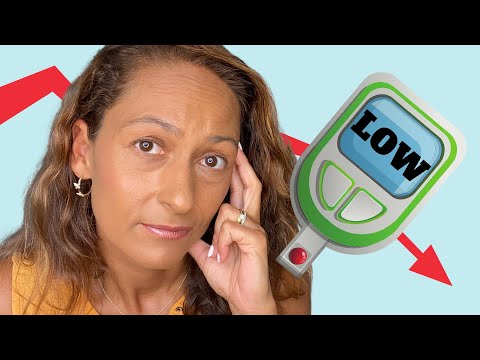
Hey there! Let’s chat about something super important: low blood sugar. You might think it’s just a diabetes thing, but guess what? It can hit non-diabetics too!
Imagine this: you’re working hard, feeling great, then out of nowhere—bam! You suddenly feel shaky or dizzy. What gives? That’s your body throwing a little tantrum because your blood sugar dropped.
Staying alert to these signs is totally key. You definitely don’t wanna ignore them. So, let’s dive into the nitty-gritty of recognizing low blood sugar and how to handle it like a pro. Sound good? Let’s go!
Understanding Low Blood Sugar in Non-Diabetics: Common Causes and Solutions
Hey there! Let’s chat about something that might not be on your radar: low blood sugar, or hypoglycemia, in folks who aren’t diabetic. It can actually sneak up on you, and knowing a bit more about it is super helpful. So, what’s the deal? Well, low blood sugar happens when your blood glucose levels drop below normal. This can lead to some not-so-fun feelings.
Imagine you’re just chilling with your friends when suddenly you feel shaky and weak—yeah, that could be low blood sugar kicking in. And it’s not just people with diabetes that need to worry about this! Non-diabetics can experience similar symptoms for a bunch of reasons.
Here are some common causes:
- Skippin’ meals: If you go too long without eating, your body runs out of fuel pretty quick.
- Intense workouts: Exercising hard can use up your sugars faster than you think.
- Alcohol consumption: Drinking on an empty stomach can mess with your blood sugar levels.
- Certain medications: Some meds may lower blood sugar as a side effect.
You might wonder what the signs are. Common symptoms include:
- Dizziness or lightheadedness: Like when you stand up too fast but more intense.
- Irritability or mood swings: You could feel grumpy or anxious for no clear reason.
- Sweating and heart palpitations: Your body goes into overdrive—like it’s running a mini marathon!
If you find yourself experiencing these symptoms often, it might be time to take a closer look at what’s going on. Keeping some snacks handy—like nuts or fruit—can really help keep those levels steady. And remember, if this continues to happen, chatting with a healthcare professional is key. They’ll have the right advice for you!
The thing is, understanding low blood sugar isn’t just for diabetics; it matters for everyone! Being aware of how your body reacts will help you stay alert and energetic throughout the day!
Understanding Conditions Often Confused with Low Blood Sugar: Key Insights and Differentiations
Hey there! So, let’s chat about low blood sugar, or hypoglycemia, which can be a real concern for some folks. But guess what? It’s not just diabetics who can feel the effects of this slippery little condition. Sometimes, if you’re feeling shaky, dizzy, or just off your game, it might not be low blood sugar at all. Let’s dive into some conditions that can get mixed up with low blood sugar and how you can tell them apart.
First things first—what does low blood sugar usually feel like? You might experience symptoms like:
- Dizziness
- Shakiness
- Sweating
- Irritability
- Heart palpitations
So, you’re probably wondering what else could be causing those symptoms. Here are a few conditions that often get confused with hypoglycemia:
- Anxiety: Ever felt that rush of panic? It can mimic those low sugar symptoms like shaking and heart racing.
- Panic attacks: Similar to anxiety but more intense; they come on suddenly and leave you breathless and sweaty.
- Dehydration: Not drinking enough water can make you feel light-headed and lethargic, which is easily mistaken for hypoglycemia.
- Anemia: Low iron levels in your body can really sap your energy and make you feel weak or dizzy.
You know, I remember a time when my friend thought she was having a low blood sugar episode because she felt shaky out of nowhere. Turns out she had been super stressed about work and hadn’t eaten anything all day! Once she calmed down and had a snack, she felt much better.
The thing is, if you notice these symptoms popping up regularly but aren’t sure it’s low blood sugar, it’s always best to keep track of them and chat with a healthcare professional. They can help with the right advice tailored just for you!
No one likes feeling off balance. But being informed about what might actually be going on can help keep you grounded. So next time you feel those jitters, consider the bigger picture! Alright? Take care of yourself!
Understanding Low Blood Sugar Levels in Non-Diabetics: What You Need to Know
Understanding low blood sugar levels in non-diabetics is crucial, even if you’re not living with diabetes. It’s kinda like being aware of your car’s gas level—you don’t want to be caught out of fuel at the wrong moment!
Low blood sugar, or hypoglycemia, happens when your blood sugar drops below normal levels. This can occur for various reasons, not just in folks with diabetes. Sometimes it can happen after skipping a meal, exercising too much, or even due to stress. You know that jittery feeling you get when you’ve waited too long to eat? That might just be your body hinting at low blood sugar.
So, what should you look out for? Here are a few signs:
- Dizziness or lightheadedness: It can feel like the room is spinning a bit.
- Shakiness: Ever had those shaky hands? That might be low sugar talking.
- Confusion: Sometimes it’s hard to focus, and simple tasks seem way more complicated.
- Fast heartbeat: Your heart may feel like it’s racing, even if you’re just sitting still.
- Irritability: You might get cranky over small stuff—hey, we’ve all been there!
One time, my friend Sarah was at work and suddenly couldn’t concentrate. She felt shaky and panicky. Turns out she had forgotten to eat lunch! After a quick snack (hello peanut butter crackers!), she was back to her bubbly self.
Anyway, if you ever experience these symptoms regularly and they concern you, it’s wise to chat with a healthcare professional. They can help figure things out—because I’m just here sharing life’s little nuggets; I’m not replacing real health advice!
Keeping an eye on your diet can help maintain stable blood sugar levels. Making sure you eat balanced meals with carbs, protein, and fats is key! Just remember: being mindful about what you eat helps keep everything in balance and keeps those energy levels up.
So next time you’re feeling off or kinda wonky and you’ve skipped a meal? Maybe grab something to snack on first before diving into worrying thoughts about it!
Understanding Non-Diabetic Causes of Low Blood Sugar: Key Factors to Consider
Alright, let’s dive into this topic together! Low blood sugar, or hypoglycemia, isn’t just a thing for people with diabetes. That’s right! Sometimes it can happen to folks who don’t have diabetes, and it’s super important to understand why. You know that feeling when you’re exhausted but you haven’t eaten in ages? Yeah, that can be related to low blood sugar.
So, what causes this in non-diabetics? Here are some key factors to keep in mind:
- Not Eating Enough: Skipping meals or yo-yo dieting can really mess with your blood sugar levels. If you don’t fuel your body, it can start acting cranky.
- Excessive Alcohol: A couple of drinks might be fun on a Friday night, but too much booze can drop your sugar levels like a lead balloon!
- Pumping Iron (a lot): Intense workouts without proper nutrition can lead to your body using up all that glucose and not having enough left over.
- Certain Medications: Some meds might lower blood sugar levels – think of things like antibiotics or those used for treating malaria. Always check the side effects!
- Illness or Infection: When your body is busy fighting off an illness, it can affect how it manages energy. It might burn through what little sugar you have faster.
I remember one time my friend Jane was feeling dizzy and super shaky after a long hike. We realized she hadn’t eaten anything before hitting the trail! Turns out she quite literally ran out of gas. It was a classic case of low blood sugar – not diabetic at all!
If you ever feel light-headed, sweaty, or just off for no reason at all, it’s definitely worth looking into these factors. Remember though; if this keeps happening or you’re really worried about it, getting in touch with a healthcare professional is key. Stay safe and keep that energy up!
You know, the other day, I was chatting with a friend who mentioned feeling kinda shaky and dizzy for no clear reason. It got me thinking about low blood sugar, or hypoglycemia, as it’s sometimes called. We often think of this as something that only affects diabetics, but guess what? Non-diabetics can have their own little episodes of low blood sugar too.
Picture this: You’ve had a long day at work. You skipped breakfast because you were running late, and maybe you didn’t get to eat lunch until way later than usual. Suddenly, you start feeling sweaty and a bit confused. Your heart’s racing like it’s trying to compete with a NASCAR driver. That kind of stuff can be really alarming!
So, when your sugar levels dip too low, it can make you feel all sorts of funky. You might experience shakiness or even some irritability—like when someone cuts in line at your favorite coffee shop! There could be headaches or fatigue creeping in too.
It’s crazy how our bodies give us little signs to tell us something’s off. Maybe your hands start trembling, or you feel lightheaded after standing up too quickly. It’s like your body is sending out an SOS signal! Recognizing these signs is super important because they can mean you’re not getting enough fuel to keep going.
Most folks think they’d know if they had low blood sugar right away, but honestly? Sometimes it sneaks up on you when you’re just busy living life. That’s why it’s good to stay aware of how you’re feeling throughout the day—kinda like checking in with yourself during a long road trip.
But hey, if you suspect your blood sugar’s running low and you’re not feeling great? It’s time to do something about it! A quick snack—think fruit or maybe some nuts—can really help bring things back into balance.
Just remember: while it’s good to understand these signs and symptoms for yourself or someone else, always reach out to a health professional if you’re worried about anything serious! You’re not alone in this; we all have our moments where we need a little extra care—or a snack! Anyway, take care of yourselves out there!
