

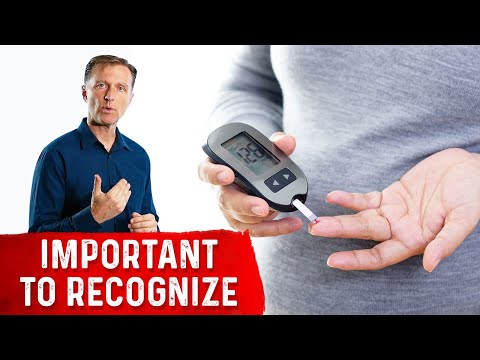
Hey there! Have you ever felt a little off but couldn’t quite put your finger on it? Maybe you’ve been more tired than usual or noticed some weight creeping up. Well, you might be wondering if that’s just life catching up with you or something more.
Let’s chat about prediabetes. It’s like a warning sign that your body is waving at you, saying, “Hey! Pay attention!” But not everyone knows how to recognize those signs, especially women.
So, if you’ve got a friend who’s been feeling sluggish or moody lately—or maybe that’s you—stick around! We’re going to dive into what prediabetes looks like and how to catch it before it spirals into something bigger. Because staying ahead of your health? That’s what it’s all about!
Understanding the Symptoms: How Your Body Signals Prediabetes
So, let’s chat about prediabetes. It’s like a little warning light that pops up before things get more serious, you know? Your body gives off signals, but sometimes we miss them. Here are some symptoms to look out for:
- Increased thirst: If you’re guzzling down water like it’s going out of style, your body might be trying to tell you something.
- Frequent urination: Hitting the bathroom way more than usual? That could be another sign that your blood sugar levels are off.
- Fatigue: Feeling tired all the time? Sometimes it feels like you need a nap after every meal.
- Sweating and tingling sensations: Ever get that weird tingle in your hands or feet? Yeah, that can be connected.
- Blurred vision: If things seem a bit fuzzy when you focus, it might not just be time for new glasses.
I remember once talking with a friend who was always so energetic. She started feeling really drained and thought it was just life getting busy. But when she mentioned her crazy thirst and how often she was running to the restroom, I had a little alarm go off in my head! Turns out those were signs she needed to pay attention to.
The thing is, these symptoms can feel pretty subtle or even confused with other issues. And while they may not mean prediabetes for sure, it’s super important to listen to what your body is telling you. Seriously, don’t shrug it off! Just remember: if you’re worried about any of this stuff, chatting with a healthcare professional is always the best way to go. They can help figure things out better than anyone else!
The body can be weird sometimes, right? But being aware of these signs puts you one step ahead of taking care of yourself. You got this!
Identifying Prediabetes: Key Symptoms in Women You Should Know
Hey there! So, let’s chat about something super important: prediabetes. This is when your blood sugar levels are higher than normal but not quite high enough for diabetes yet. Sounds tricky, right? Well, the cool thing is that recognizing the symptoms can help you take charge of your health.
Women might experience some unique signs when it comes to prediabetes, so let’s break those down. Sometimes you might feel tired, and I mean really tired. You know that sort of exhaustion where no amount of coffee seems to help? Yeah, that could be a sign.
Another thing to watch out for is hunger pangs. If you’re suddenly feeling hungrier than usual—even after eating—this could be your body sending a little alert. It’s like it’s saying, “Hey! Something’s off here!”
- Frequent urination: If you find yourself making more trips to the bathroom than normal, don’t ignore it.
- Dry mouth or itchy skin: These can also be signals from your body that it needs attention.
- Mood swings: Feeling cranky or moody? It might not just be the usual stress. Blood sugar levels can play a role here!
I remember my friend Sarah once told me how she was always thirsty and just brushed it off as not drinking enough water. But her doctor explained how thirst can be linked to blood sugar issues—like prediabetes! It opened her eyes.
The thing is, identifying these symptoms early on can really help you make lifestyle changes before things get serious. Just remember—these signs don’t mean a diagnosis; they’re just hints from your body! Always talk to a healthcare professional if you’re concerned about any symptoms.
So keep an eye out for these signs and don’t hesitate to reach out for advice if anything feels off. Your health should always come first!
Recognizing Early Signs of Diabetes in Women: Key Symptoms and Risk Factors
Hey there! Let’s chat about something super important: diabetes, especially in women. Seriously, such a big deal. Understanding the early signs can help you catch it before it spirals out of control.
First off, there are some key symptoms you should totally keep an eye out for:
- Increased thirst and frequent urination: You might feel like you’re always thirsty or running to the bathroom way too much.
- Fatigue: Ever felt like no matter how much sleep you get, you’re still so tired? Could be a sign.
- Blurred vision: If things start looking a bit fuzzy around the edges, that might be your body’s way of saying something’s up.
- Slow healing cuts or bruises: When tiny injuries take longer to heal, it might be worth checking out.
- Numbness or tingling in hands or feet: That weird pins-and-needles feeling isn’t just annoying; it can signal issues with blood sugar levels.
You know what’s wild? Sometimes these signs can sneak up on you without even realizing it. Like my friend Jenna—she attributed her constant fatigue to being a busy mom. But then she started noticing other things too!
Now, here’s the thing: not everyone will experience these symptoms. But certain risk factors, especially for women, can increase your chances of developing diabetes. Check these out:
- A family history of diabetes: If your parents or siblings have it, keep an eye on your health.
- Certain ethnic backgrounds: Some groups are more at risk than others—this includes women of African American, Hispanic, Native American, and Asian American descent.
- Poor diet and inactive lifestyle: Eating lots of processed foods and not moving enough? Might want to rethink those habits!
- History of gestational diabetes: If you had it during pregnancy, you’re at higher risk later on.
If any of this resonates with you—or if you’re feeling off—it could be time for a little chat with your healthcare provider. Remember though: just because you see some signs doesn’t mean you’ve got diabetes; but staying proactive about your health is key!
You got this! Just stay aware so you can live your healthiest life possible. And remember that this info doesn’t replace professional advice—always reach out to someone who knows their stuff if you’ve got concerns!
Transform Your Health: Reverse Prediabetes in Just 3 Months
Hey there! So, let’s chat about something super important: prediabetes. It’s a condition that many women may not even know they have, and spotting the signs early can really make a difference. The thing is, if you’re aware of the symptoms, you can take action to turn things around. Transforming your health and even reversing prediabetes in just three months? Yeah, it’s totally possible!
First off, what exactly is prediabetes? Basically, it means your blood sugar levels are higher than normal but not high enough yet to be called diabetes. Scary stuff! You might be wondering how to recognize the symptoms. Here are some common ones:
- Excessive thirst: Ever feel like you could drink a whole ocean? Yeah, that could be a sign.
- Frequent urination: If you’re making bathroom trips more often than usual—especially at night—it might be time to pay attention.
- Tiredness: Feeling worn out for no reason can definitely be a red flag.
Now, here’s where it gets hopeful! Let me tell you about my friend Emily. She started noticing these symptoms last summer and was super worried. After doing her research (and maybe talking too much with me), she decided to change her lifestyle. She didn’t go crazy with extreme diets or anything but made some simple adjustments.
Here are some changes she made that helped her turn things around:
- Minding portion sizes: Emily started using smaller plates—sounds silly but hey, it worked!
- Sneaking in exercise: Instead of hitting the gym every day, she went for walks during lunch breaks and danced around her living room.
- Packing healthy snacks: Swapping chips for nuts or fruit was a game changer for her energy levels.
A little effort goes such a long way! Emily reversed her prediabetes in just three months and felt more energetic than ever before. How cool is that?
The key takeaway here is that recognizing those early signs of prediabetes is crucial. If you think you might be experiencing some of these symptoms, it’s always best to chat with a healthcare professional—you know, just to keep everything safe and sound!
You’ve got this! Making small changes can lead to big results over time. Remember that feeling amazing is totally within reach!
You know, it’s pretty wild how something like prediabetes can sneak up on us. I was chatting with a friend the other day, and she opened up about feeling more tired than usual and having these crazy cravings for sugary snacks. It hit me that a lot of people might not even know that those could be signs of prediabetes, especially women.
So, let’s break it down a bit. Prediabetes basically means your blood sugar levels are higher than normal, but not quite high enough to be considered diabetes. And women often face some unique challenges when it comes to recognizing the symptoms. You might have noticed you feel really thirsty all the time or you’re running to the bathroom more than usual—those can be red flags too!
But here’s the kicker—sometimes there aren’t any noticeable symptoms at all. Yep, sneaky little thing, isn’t it? It can just hang around quietly while your body is dealing with a whole mess of insulin resistance. And if you’ve got family history or are experiencing weight changes, those are important clues as well.
I recall an aunt of mine who found out she was prediabetic purely by coincidence during a routine check-up. She couldn’t believe it! The doc mentioned things like fatigue and blurred vision—not stuff you usually think would lead to something serious. It’s kind of eye-opening to realize how much our bodies try to communicate with us every day but sometimes we just brush things off as “normal.”
Also, consider stress management; life is hectic! Juggling work, family, and everything in between can send your cortisol levels soaring. Higher stress may contribute to insulin resistance too—so it’s like this vicious cycle we need to break.
The thing is: being aware makes such a difference. If you notice any unusual changes in your health or energy levels, why not talk with someone about it? Seriously! I mean, better safe than sorry, right?
Taking steps like eating healthier and moving your body can help keep those blood sugar levels in check before they go awry. And hey, self-care isn’t just a trendy buzzword; it’s crucial for our health!
So remember: don’t ignore those signals from your body. Stay curious about what they may mean for your health journey—it could make the world of difference down the line!
