

Hey there! So, let’s chat about something super important – birth control pills! Yeah, I know it might not be the most thrilling topic on the planet, but stick with me.
You see, making smart choices when it comes to your health is key. And trust me, understanding your options can feel like trying to crack a code sometimes. There are so many choices out there!
From the daily routine of popping a pill to understanding how they really work—I’ve got your back. It’s all about finding what fits best for you and your lifestyle! So grab a coffee or whatever you like, and let’s unpack the world of birth control pills together. Sound good? Great! Let’s dive in!
Understanding the 3-Month Pill Rule: Key Insights and Implications
So, let’s dive into the 3-Month Pill Rule. You might’ve heard about it and wondered what the buzz is all about. This rule usually refers to how some birth control pills are designed to be taken over a three-month period before you take a break. Cool, right? But what does that mean for you?
First off, this approach can really help reduce those pesky monthly periods. Instead of having your period every month, with some pills, you can skip it or only have it every three months. Sounds pretty appealing when you’re juggling work or school and just don’t want that extra worry!
Here are a few key points about this 3-Month Pill Rule:
- Convenience: Fewer periods mean less fuss! Imagine not having to deal with cramps and all that for three whole months.
- Continuous Use: Some pills allow continuous use, which means you’re taking active hormones all the time without the sugar pills in between.
- Medical Guidance: It’s super important to talk to your healthcare provider if you’re considering this option. They’ll help you figure out what suits your body best.
Now, here’s something interesting: not everyone reacts the same way to birth control pills. A friend’s experience could be totally different from yours! A buddy of mine tried a 3-month pill and found it amazing—fewer worries about her cycle took such a load off her shoulders. But another friend had some side effects she didn’t expect, which is why chatting with a professional is so crucial.
Also, there’s something called “withdrawal bleeding.” Even if you’re on these pills for three months straight, some people still have breakthrough bleeding or spotting—so no one should feel alarmed if that happens.
In simple terms, understanding the 3-Month Pill Rule can make managing your reproductive health way easier. Just remember: whatever choice you make should always be based on solid conversations with a healthcare expert who knows your unique needs.
So there it is! You’ve got an overview of the 3-Month Pill Rule—and hopefully, it isn’t too overwhelming! Remember, at the end of the day, it’s all about making choices that fit well with your lifestyle.
Discovering the Healthiest Birth Control Pill: Your Comprehensive Guide
So, let’s chat about birth control pills. I mean, if you’re looking to navigate the world of contraceptives, it can feel like a maze sometimes, right? But don’t worry; we’ll break it down together.
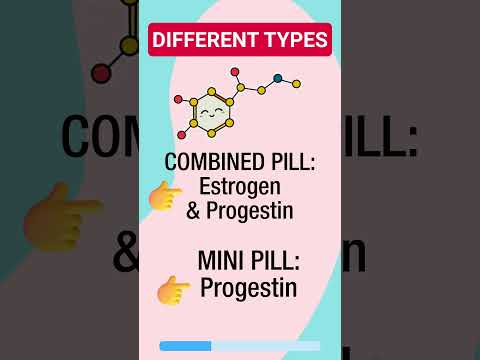
First off, not all birth control pills are created equal. They generally come in two flavors: **combination pills** and **progestin-only pills**. Combination pills have both estrogen and progestin, which is great for regulating your cycle and reducing menstrual cramps. On the flip side, progestin-only pills (sometimes called the mini-pill) are perfect if you can’t take estrogen or just prefer something simpler.
But what makes a pill “healthier”? Well now, it really depends on what your body needs. Some women might vibe well with certain hormones while others could experience side effects. It’s kinda like finding that perfect pair of jeans—sometimes you gotta try on a few to get it right!
Here are some key points to keep in mind when choosing the right pill for you:
- Hormone Types: Some pills have different dosages or types of hormones which can impact how you feel.
- Health History: Your past health matters! Certain conditions could affect your options.
- Side Effects: Be aware of possible side effects like mood swings or weight changes; they’re not super fun.
- Convenience: Think about how often you want to remember taking a pill—every day? Or maybe something longer-lasting?
A friend of mine once switched her pill because she was feeling super moody and just off—it was like she swapped her grumpy pants for some happy ones once she found what worked for her! Seriously though, communication with your healthcare provider is key here.
So after chatting with them and weighing the options, you can figure out what fits your lifestyle best. But keep in mind that whatever choice you make shouldn’t replace professional healthcare advice—your doc knows your history better than anyone.
In the end, finding the healthiest birth control pill is all about listening to your body and working alongside your healthcare provider to find that sweet spot!
Understanding the 7-Day Rule for Birth Control Pills: Key Facts and Guidelines
So, let’s chat about the 7-Day Rule for birth control pills— it’s a pretty important concept that you might want to get your head around. Here’s the deal: the 7-Day Rule refers to how long you need to take your birth control pills before they kick in and start working effectively. This is especially important if you’re just starting out or if you need to switch brands.
When you first start taking combination birth control pills, which contain both estrogen and progestin, it’s recommended to use another form of birth control for the first 7 days. This is just a precaution to make sure that your body has enough time to adjust.
Here are some key points about this rule:
- First month matters: If it’s your first month taking the pill, wait those 7 days before relying on it completely.
- Switching brands: If you switch from one brand of pills to another, start using backup contraception right away for at least a week.
- Missed doses: If you forget a pill and it’s outside of that initial time frame, check with your healthcare provider on what to do next.
- Your cycle: Once you’re past those 7 days, the pill should help regulate your cycle and prevent pregnancy.
- Single-use warning: If you’ve taken only one active pill after starting but haven’t hit that week mark yet, still consider other methods until you’re safe.
Let me tell you, when I was starting on the pill years ago, I didn’t really get this whole 7-Day thing at first. Honestly? I went on vacation thinking everything was cool and didn’t realize I needed backup protection. Talk about anxiety! So, knowing these little details can save you from some stress later on.
Just remember: this info doesn’t replace talking with a healthcare pro because everyone’s situation is unique. And they can help clarify any questions or concerns you might have about starting or managing your birth control. Anyway, just keep those guidelines in mind!
Understanding the 7-Day Rule for Birth Control: Key Insights and Guidelines
The 7-Day Rule for birth control can feel a bit confusing at first, but it’s pretty straightforward once you break it down. So, let’s dig into it!
Basically, the 7-Day Rule is all about timing. If you start taking a combined oral contraceptive pill (you know, the ones that have both estrogen and progestin), there’s a little waiting period before they really kick in to prevent pregnancy.
- If you start taking the pill within the first five days of your menstrual cycle, you’re protected right away. So if your period starts on a Sunday, and you take your first pill then, you’re good to go!
- If you start taking the pill at any other time, like during your cycle or after it’s ended, you should use back-up contraception (like condoms) for at least seven days.
- Now, here’s where it gets interesting: The protection lasts as long as you keep taking your pills consistently. Forgetting even one can mess things up!
And let me tell ya, I remember when my friend Sarah started on the pill. She was super excited but got a bit mixed up about when she’d be protected. After chatting with her and looking into it more, she felt so much better knowing about the 7-Day Rule.
Always remember that this info is just for understanding; if you’re unsure or need guidance tailored to you, talking to a healthcare professional is the way to go! They can provide advice that fits your unique situation better than anyone else can.
In short: your timing matters! If you’re starting birth control pills, keep track of when you begin and get that protection sorted out right!
You know, talking about birth control can feel a bit awkward at first. But honestly, we’re all just trying to navigate our way through life, right? It’s a personal choice for everyone, and trust me, you’re not alone in thinking about it.
So let’s chat about the birth control pill options. I remember when my friend Jess first started exploring this stuff. She was nervous but excited—kind of like when you’re about to try a new recipe for the first time. There are so many different options, and understanding them is like picking the right ingredients to make your dish just right.
There are combined pills that have estrogen and progestin. These are pretty common. They often help with regularity and can even lighten periods—huge win if you ask me! Then there’s the mini pill, which has only progestin. This one’s great for folks who might need to avoid estrogen.
It’s really important to think about how your body reacts to hormones. Some people have side effects like mood swings or headaches—my friend experienced that a bit with one brand but found another that fit her perfectly after some trial and error. So patience is key here!
And hey, let’s not forget that effectiveness varies too—some pills work better than others at preventing pregnancy if taken correctly. It’s kind of like watering a plant; if you do it right, it’ll thrive!
Oh! And what about those lifestyle factors? Are you someone who travels a lot or has irregular schedules? There are options designed exactly for that sort of thing too.
What strikes me most is how empowering these choices can be. You get to decide what works best for your life and your body—it’s all part of owning your health! Just remember that whatever path you choose should include chatting with healthcare pros who can really guide you based on your individual needs.
So here’s the deal: explore options like it’s an adventure! You’ll likely learn more about yourself in the process as well as discover what truly supports you day-to-day. Life is full of choices; this is one way to take charge!
