

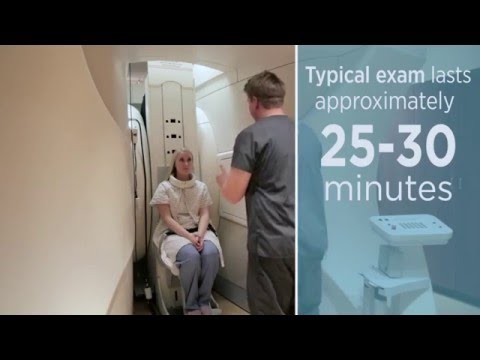
Hey there! Ever found yourself stressing over an MRI? You’re not alone—those machines can be a bit intimidating, right? Well, guess what? There’s a new kid on the block: Upright MRI technology.
This isn’t your standard tube of doom! Nope, it’s actually designed to keep you upright and comfy. Imagine getting crucial pictures of your insides without that claustrophobic feeling. Sounds pretty awesome, huh?
In this piece, we’ll dive into how this tech is shaking things up in the world of diagnostics. You’ll see why more folks are choosing this option over traditional MRIs. So, grab a snack and let’s unfold this fascinating story together!
Exploring the Disadvantages of Upright MRI: What You Need to Know
So, you’ve probably heard about upright MRI technology, right? It’s like a twist on the traditional MRI machine where you can sit or stand while getting scanned. Sounds cool, doesn’t it? But wait, like anything else, it’s got its downsides too. Let’s dive into what you should know about the disadvantages of upright MRI.
First off, accessibility can be an issue. Not all facilities have these fancy machines yet. That means if you’re looking for one, you might have to travel a bit further than you’d like. Some places just stick to the old-school methods.
Another thing is cost. These machines are often pricier to operate and maintain compared to regular MRIs. Sometimes, that can make the whole process more expensive for you or your insurance company.
Also, there’s the image quality. While upright MRIs are great for certain problems, they might not give as detailed images as traditional ones in every case. If you’re dealing with something complex, this could be a snag.
You might also feel a bit less comfortable during the scan. Staying still in awkward positions isn’t easy! Some folks find it hard to relax when they’re not lying down flat like in a regular MRI.
And let’s not forget about limited options. Upright MRIs may not be available for all types of scans – some situations still require that classic setup for accurate results.
Remember that even though this tech is pretty exciting and revolutionary in some ways, it’s not always the best fit for everyone or every situation. Always chat with your healthcare provider if you’re considering any imaging; they’ll help guide you through the options based on your needs!
So yeah, clever innovation comes with its own set of challenges! Don’t hesitate to ask questions and get comfy with your choices; after all, it’s your health we’re talking about here!
Upright MRI Scanners vs. Traditional MRI: Are the Results Comparable?
So, you’re curious about upright MRI scanners and how they stack up against traditional ones, huh? Well, you’re in for a treat! Let’s dive right in.
First off, what’s the big deal with upright MRIs? Traditional MRIs usually have you lying down while they take pictures of your insides. But with an upright MRI, you can sit or stand. It’s designed to check how your body behaves in a weight-bearing position. Pretty cool, right?
Now, let’s get into some key differences between the two types:
- Positioning: Traditional MRIs require you to lie still inside a tube, which can feel a bit claustrophobic. On the other hand, upright MRIs let you chill while standing or sitting.
- Patient comfort: Many people find upright MRIs more comfortable since they can choose their position. If you’re like me and don’t love small spaces, this is a win!
- Real-life scenarios: Upright MRIs allow for imaging while your body carries weight. Think about it: if something hurts when you’re standing but not when you’re lying down, an upright MRI might give doctors better clues.
But here’s the kicker: are the results comparable? Well, it seems that both machines can give useful information. However, some studies suggest that certain conditions might be easier to spot on an upright MRI because they reflect how your body actually feels during everyday activities.
I remember my buddy sharing his experience with MRI scans. He’d had lingering back pain but couldn’t find out why. He tried the traditional setup first and didn’t get clear answers until he went for an upright scan! That made all the difference for him.
Just keep in mind: whether it’s an upright or traditional MRI, it’s super important to chat with a healthcare professional about what’s best for your situation. You know what they say—two heads are better than one! So don’t hesitate to ask questions and stay informed.
In summary: both types of MRI have their perks and purposes. So next time someone brings up these scanners over coffee, you’ll be armed with some pretty neat info!
Find the Best Upright MRI Locations Near You for Convenient Imaging Solutions
So, you’ve heard of upright MRI technology? It’s kinda amazing, really! Instead of the typical lying down MRI where you feel like a sardine in a can, an upright MRI lets you sit or stand during the scan. This can help in getting better images because it captures how your body works while you’re in natural positions. That’s pretty cool, right?
Now, if you’re considering getting one done, finding the right location is super important. Here’s what you should look for:
- Proximity: You want someplace that’s easy to get to. Trust me; you don’t want to add extra stress before your appointment!
- Reviews: Check online reviews! People love sharing their experiences, and this can help you find a friendly place that makes the process smoother.
- Technology: Not all places have the latest equipment. Look for facilities that specifically mention having an upright MRI—this way, you know what to expect.
- Staff Expertise: It’s nice to have knowledgeable staff who can answer your questions. A welcoming environment makes all the difference when you’re feeling anxious.
I remember when my friend needed an MRI for back pain. She was so nervous about being stuck inside that tube! But when she found a nearby facility with an upright machine, she felt more at ease just knowing she could sit instead of lie down. It made her experience way less stressful.
Keep in mind though, even though this technology sounds game-changing and convenient, it’s always best to discuss with professionals about which imaging method is right for your situation. That way, you’ll get the most accurate results possible without any unnecessary worries.
So go ahead and look up those locations near you! It’s always great to have options that fit your needs and keep things comfy while you’re at it.
Find Upright MRI Locations Near You: A Comprehensive Guide
So, you’ve probably heard about this new thing called upright MRI, right? It’s pretty cool and kind of revolutionizing how we get scans. Unlike the traditional MRI machines that make you lie flat like a pancake, upright MRIs let you sit or stand. This can be super helpful for finding issues that might not show up when you’re just chilling on your back. Now, if you’re curious about where to find one near you, let’s dive into it!
First off, what exactly is an upright MRI? Imagine being able to move a bit during the scan—more natural movements help the doctors see how your body reacts in real life. It’s all about capturing that dynamic aspect of your health. Seriously, who wouldn’t want that?
Now when it comes to finding locations that offer this technology, it might feel a little overwhelming. Here are a few ways to get started:
- Search Online: Use your favorite search engine! Just type in “upright MRI locations near me.” You’ll be amazed at what pops up.
- Local Hospitals: Check with local clinics or hospitals—they often have listings of services they provide.
- Ask Your Doctor: If you’re seeing a doctor for something specific, ask them! They usually know where to send you.
- Health Insurance Provider: Look at your insurance company’s website or give them a ring; they can point you to facilities that are covered.
A friend of mine once had persistent back pain and decided to try an upright MRI after hearing about its advantages. Guess what? It helped her doc spot something they would have missed in a standard MRI! It’s amazing how these new techniques can make such a difference.
But remember, finding the right location is just one part of the process. Always keep in mind that these scans don’t replace professional healthcare—think of them as another tool doctors use alongside their expertise.
So there you go! You’re all set to embark on your quest for an upright MRI location. Best of luck with it! And hey, hope everything goes smoothly if and when you decide to go for it.
You know, it’s pretty wild how far we’ve come in the world of medical imaging. Remember when MRIs were these big, bulky machines that you’d have to lay completely still in for ages? Well, now we’ve got this thing called Upright MRI technology. It’s shaking things up—and not just a little!
So, picture this: a friend of mine had some nagging back pain that just wouldn’t quit. She went through all kinds of traditional scans, and each time it felt like an ordeal. Then she heard about this Upright MRI. Instead of lying down flat for the test, she could actually stand or sit. That was such a game changer for her! Imagine being able to mimic your everyday movements while getting scanned—that’s what this technology offers.
The big idea behind Upright MRI is that it allows your spine and other structures to be examined in positions that are more natural for you. When you’re upright, gravity comes into play, which can reveal issues that might not show up when you’re lying down. Sounds handy, right? It’s like taking a selfie instead of a posed portrait; you get a better sense of what’s really going on.
And here’s the cool part: people say the experience is way less claustrophobic too! No one wants to feel trapped in those long tubes when they’re already feeling anxious about their health. With Upright MRI, you’re not completely enclosed—there’s some space so you can see outside, which seems much more comforting.
But hey, it’s important to remember while tech like this can make diagnostics better and quicker, it doesn’t replace the need for good ol’ fashioned care from healthcare professionals. You still gotta chat with your doctor about symptoms and preferences; they’re your personal guides through all this advanced machinery.
Honestly, seeing advancements like Upright MRI makes me hopeful about where healthcare is headed. There are tons of smart folks out there working tirelessly to make sure we get better care without feeling like we’re in a horror movie every time we need an exam! So here’s to innovation—and hoping my friend’s back pain gets sorted out soon!
