

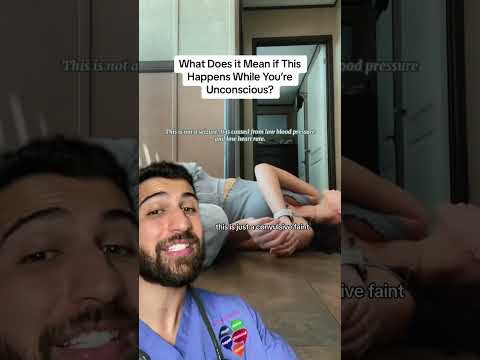
So, let’s talk about those moments that hit you like a ton of bricks, you know? You’re standing there, maybe in the middle of a presentation or while waiting in line, and suddenly you feel all woozy. Yep, I’m talking about vasovagal episodes. They can sneak up on anyone, even you!
But here’s the good news: technology might just be your new best friend when it comes to managing these pesky episodes. Imagine having your phone or a gadget pointing you in the right direction when things get dicey! That is what we’re diving into today—tech solutions that can really help.
Let’s unpack this together! You ready?
Understanding the 3 P’s of Vasovagal Syncope: Causes, Symptoms, and Management
Vasovagal syncope happens when your body overreacts to certain triggers, leading you to faint. Kind of scary, right? But don’t worry! It’s a common reaction, and understanding it can help you feel more in control. Let’s dive into the 3 P’s: causes, symptoms, and management.
Causes
So, what causes these episodes? There are a few common triggers. Well, it might be stress, standing for a long time, or even just seeing blood. Imagine you’re at the doctor’s office and see that needle – boom! Your body freaks out. It’s like your nervous system sends an SOS signal that says, “Hey, let’s shut this down!”
Symptoms
Now let’s chat about symptoms. When someone is about to faint from vasovagal syncope, they might feel pretty awful for a moment. Think of it this way: you might get dizzy and lightheaded or feel nauseous. You may also notice blurry vision or feel really sweaty. It’s like your body throws a little tantrum before it gives up on you for a second.
Management
Okay, so how do you deal with this? Managing vasovagal syncope is all about recognizing the signs and knowing what to do next. Some folks find that lying down helps when they feel those tell-tale signs coming on. Others swear by staying hydrated and eating enough – because nobody likes to pass out on an empty stomach!
Your tech can help here too! There are apps out there that remind you to drink water and even log your symptoms over time—neat, huh? But remember: while these tools can assist in keeping you aware of your body’s signals, they’re not substitutes for professional healthcare advice.
To sum it up: vasovagal syncope can be unsettling but understanding its causes and symptoms gives you some power back. Always chat with a healthcare pro if you’re worried or want more info specific to your situation – that’s super important!
Top Supplements to Support Vasovagal Syncope Management
Hey there! So, let’s talk about something that can really throw you for a loop: vasovagal syncope. You know, those pesky fainting spells that hit you when you least expect it? It’s like your body’s way of saying “whoa, slow down!” Now, while I’m not here to give you medical advice or anything, I can share some info about supplements that might help you manage things a bit better.
First off, hydration is key! Staying well-hydrated can really help keep your blood pressure steady. Sometimes just drinking more water can keep those woozy feelings at bay. And hey, adding electrolytes? That could be like a double whammy!
Then there’s magnesium. This mineral is pretty cool because it plays a role in muscle function and nerve signaling. So if you’re looking to chill out those nerve impulses and maybe ease some anxiety around fainting spells, magnesium could be worth considering.
- B vitamins are another star player. They help with energy levels and may improve your overall mood which could mitigate some triggers for syncope.
- Coenzyme Q10, or CoQ10 for short, is like a little superhero for your cells. It supports energy production and may help keep things running smoothly.
- And let’s not forget about Caffeine. Now I know what you’re thinking—caffeine can be tricky. But for some folks, a little boost might help with blood pressure during those sudden drops. Just don’t overdo it!
Remember this isn’t about replacing what your healthcare provider says or getting all crazy with pills. It’s just some food for thought on how certain supplements could fit into managing vasovagal syncope.
If you’re thinking about any new supplement routine, always chat with someone in the know first! Your health journey is unique—just like you—and it deserves the right attention and care.
Understanding Vasovagal Syncope: Risks and Life-Threatening Scenarios
So, let’s dive into vasovagal syncope because, honestly, it’s one of those things that can be kinda confusing if you don’t know what it is. You know when you feel lightheaded or dizzy and suddenly you’re on the floor? Yeah, that’s a vasovagal episode. It happens when your body overreacts to certain triggers like stress, pain, or even just standing up too fast.
Now, here’s the deal: during a vasovagal syncope episode, your heart rate drops and your blood vessels dilate. This leads to less blood flow to the brain, and boom—you faint! It can be pretty alarming for both you and anyone who witnesses it. But don’t worry; most of the time, it’s not dangerous.
But let’s chat about some risks:
- Injury: Falling during a fainting spell can lead to cuts or bruises (and maybe even worse).
- Driving Risks: If you’re behind the wheel and this happens? Yikes! That could end badly.
- Underlying Conditions: Sometimes these episodes can hint at something more serious going on in your body.
Seriously though, when I first heard about someone fainting because of stress—it made me freak out a little! I mean—imagine being right there and they just drop! It’s like a scene from a movie. But understanding that it’s not always critical helps to calm those nerves.
Now let me tell you about tech solutions! With all our gadgets today, you can actually find ways to make life easier if you experience these episodes:
- Biosensors: Some wearables monitor heart rates and alert you before an episode.
- Smartphone Apps: There are apps designed to help track potential triggers so you’ll be more prepared.
- Panic Buttons: Some devices allow quick alerts to loved ones or emergency services if you’re in trouble.
Remember though—this isn’t meant to replace talking with healthcare professionals. Always check in if you’re experiencing these types of symptoms regularly or they get worse. Seriously, conversation is key! After all, knowledge is power when it comes to your health and well-being.
Understanding Vasovagal Syncope: Effective Treatments for Anxiety Relief
Vasovagal syncope—sounds fancy, right? But really, it’s just a common cause of fainting. Basically, your body has this weird reaction to stress or pain that makes your heart rate drop and blood pressure go down. And, bam! You might find yourself on the floor. It can happen during anxiety-inducing moments or even while standing for too long.
So what does anxiety have to do with it? Well, stress can trigger those episodes. When your body gets overwhelmed, it sometimes reacts by passing out. Kinda harsh if you ask me! You might’ve heard friends or family share stories about those awkward moments—like when Aunt Linda fainted at the sight of blood. It can be embarrassing, but it’s more common than you think.
Now let’s chat about some effective treatments. Here are a few approaches that could help manage anxiety and possibly reduce the likelihood of those vasovagal episodes:
- Relaxation techniques: Breathing exercises or mindfulness practices can help calm your mind and lower stress levels.
- Stay hydrated: Sometimes dehydration can worsen everything. So drink up!
- Avoid triggers: If you know certain situations make you anxious—like long lines or tight spaces—do what you can to avoid them.
- Talk it out: Engaging with a therapist might provide some strong tools to manage anxiety.
- Exercise: Regular physical activity is a great way to boost your mood and keep stress in check.
And as for tech solutions? There are apps out there designed to help you relax or track your mood. Some folks swear by meditation apps that guide you through calming practices right on your phone. Sounds neat, huh?
Just remember that everyone’s different, and what works wonders for one person might not be the perfect fit for another. Always chat with a healthcare professional about any concerns or changes you’re thinking of making. Your health journey is unique!
So, let’s chat a bit about vasovagal episodes. You ever heard of them? It’s that super weird thing where your body pulls a fast one on you and makes you faint or feel all dizzy when something stressful happens, like seeing blood or even just standing up too quickly. Seriously, it can be a total surprise when it happens!
I remember this one time at my friend’s wedding. The ceremony was beautiful, all the flowers and the happy faces. But then I saw a guy who looked like he was about to pass out. Turns out, he had just seen his own blood from a small cut earlier in the day. I was shocked! One moment he was fine, and the next—down he went! It was both scary and sort of eye-opening.
Now, if you’re someone who’s prone to these episodes, I feel ya! They can be frustrating and make you anxious about situations where they might occur. That’s why some folks are starting to rely on tech solutions to help manage them.
And guess what? There are some cool gadgets out there today that can really help! For instance, wearable devices like smartwatches can track your heart rate and alert you if it starts to drop too low—something that often happens before an episode hits. It’s like having a mini health coach on your wrist!
Also, there are apps designed specifically for calming techniques or deep breathing exercises that can help ground you when you’re feeling stressed or dizzy. Just think: Instead of flying off the handle when stress hits, you whip out your phone and start a quick breathing session right there.
Still, though, even with all this fancy tech around us, it’s super important to remember that these tools don’t replace real medical advice or chatting with a healthcare professional about your episodes. They just give us a little extra support while we get through these moments.
So yeah, while technology is here to lend us a hand (or wrist!), dealing with vasovagal episodes is still about knowing yourself and what triggers those feelings too. We’ve got options now! And having those options can make facing the world feel a bit easier—even if we sometimes forget our own limits.
