

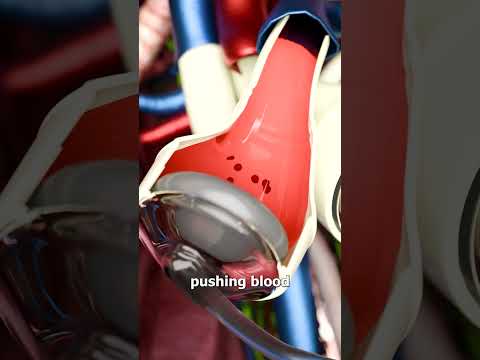
Hey there! So, have you ever thought about what life would be like if our hearts were made of metal and circuits instead of flesh and blood? Sounds kinda sci-fi, right? But guess what: artificial hearts are not just cool gadgets from a movie. They’re becoming a real thing!
Imagine living in a world where heart failure doesn’t mean the end. Instead, it could just mean getting an upgrade! That’s pretty wild, huh? We’re diving into the future where beats of innovation are changing lives.
In this piece, we’ll explore how artificial hearts are evolving and what that means for all of us. Get ready for some mind-blowing stuff!
Exploring the Future of Artificial Hearts: Innovations and Possibilities
Artificial hearts, wow! They’re like the superheroes of medical technology. As heart disease affects so many people, this innovation steps in to save the day. Imagine a future where mechanical hearts could not only keep you alive but also give you quality life. Pretty amazing, right?
So, what’s the deal with these artificial hearts? They have evolved from basic devices to highly sophisticated systems that mimic the beating of a real heart. One key innovation is the use of biocompatible materials. These materials reduce the risk of rejection by your body—think of it as making friends instead of enemies with your immune system.
- Miniaturization: Future artificial hearts are becoming smaller and more efficient, which means they can fit better in your chest and make it easier for doctors to implant them.
- Smart technology: Some newer models may even come equipped with sensors that monitor your health in real-time—like a fitness tracker for your heart!
- Longer-lasting batteries: Innovations in battery technology could mean these hearts might not need frequent replacements, making life much simpler for patients.
I remember talking to a friend whose dad had a transplant years ago. Back then, they had limited options, and he often struggled with complications. Now, we’re seeing lives changed through these advancements! It’s incredible to think that one day someone might get up after surgery and live life just as they did before.
Of course, while all these advancements sound super exciting, it’s crucial to remember that artificial hearts are still under research. They won’t replace conventional healthcare. Always consult a healthcare professional for any concerns—seriously!
The future’s looking bright for artificial hearts! With ongoing research and innovation, they could become even more effective at saving lives while improving quality of life. Who knows what’s around the corner?
Exploring the Innovations Behind Artificial Heart Technology
Artificial heart technology is like something straight out of a sci-fi movie! It’s fascinating, and honestly, it’s changing lives. So, let’s break down what this tech is all about, shall we?
First off, what’s an artificial heart? Well, it’s a device that takes over the job of your natural heart when it can’t do its thing anymore. Imagine it as a mechanical pump that keeps blood flowing through your body. Pretty cool, huh?
How does it work? The technology has come a long way. Most artificial hearts are made of durable materials and are designed to mimic the pumping action of a real heart. They can be implanted in patients waiting for a heart transplant or in some cases where the natural heart just isn’t doing its job.
Now let’s dig into the innovations. Thanks to those clever minds in research labs, there are exciting advancements happening:
- Durability: Newer models last longer than older versions—some even work for years!
- Miniaturization: Some hearts are getting smaller and more efficient, making implantation easier.
- Bionics: A blend of electronics and biology means these hearts can ‘learn’ from your body and adjust how they pump based on your needs.
Oh! And did I mention how important **connectivity** is? Many new devices can connect to apps or monitors so doctors can keep an eye on things from afar. It’s like having health superpowers at your fingertips!
You know what really strikes me? A friend of mine once shared her father’s journey through heart surgery. He got an artificial heart after years of struggling with health issues. Seeing him get his energy back was nothing short of magic! Technology is not just about gadgets; it’s about real people living their lives again.
So while we’re raving about these advancements, it’s crucial to remember that they don’t replace professional healthcare advice or treatment plans. Always chat with a healthcare provider if you or someone you know might need this kind of help.
Isn’t it wild how far we’ve come? The future looks bright for artificial hearts, and who knows where this innovation will take us next!
Understanding the Success Rate of Artificial Hearts: Key Insights and Statistics
Artificial hearts have come a long way in recent years. They’re like a lifeline for people with severe heart issues, you know? But what’s really cool is that many folks wonder about how successful these devices really are. Let’s dive into some key insights and stats—don’t worry; I’ll keep it simple!
Success Rates
The success rate of artificial hearts varies based on different factors. Generally, studies show that around 70% of patients using these devices survive for at least one year after implantation. That’s pretty impressive when you think about it, right?
Long-Term Outlook
Now, here’s the kicker: the five-year survival rate can be around 50%. So, while not everyone makes it to the five-year mark, half of those who receive an artificial heart do live significantly longer than before.
Quality of Life
And let’s talk about quality of life! Many patients report feeling better after getting an artificial heart. They can often return to daily activities, even work or hobbies they love. It’s not just about living longer but also living better.
Advancements
Technology keeps evolving too! Newer models are being developed that offer improved functionality and comfort. These advances may help increase both survival rates and quality of life even more in the coming years!
- A key factor: Age matters! Younger patients tend to do better than older ones.
- Device type: There are different kinds of artificial hearts; some are temporary while waiting for a transplant, and others are permanent solutions.
- Your overall health: Other health conditions can affect success rates too.
So anyway, as amazing as artificial hearts are, they’re not a cure-all. They serve as a crucial bridge for many while research continues to improve outcomes further down the road. Remember though—it’s always essential to chat with healthcare professionals about personal situations since they know best!
Exploring the Limitations of Artificial Hearts as Permanent Solutions
Artificial hearts, huh? They’re pretty amazing, but they’re also not the end-all solution for heart problems. There’s a lot going on beneath the surface, and it’s good to know what those things are. So let’s dive into some of the limitations of artificial hearts as permanent solutions.
First off, artificial hearts are often designed as temporary fixes. People might think, “Hey, I’ll just get one and be set for life!” But that’s not quite how it works. They’re typically used until a more permanent solution, like a donor heart, becomes available. It’s like using a band-aid until you can get stitches!
Then there’s the whole issue with compatibility. Not every body is the same, and sometimes an artificial heart can come with complications that are super tricky. Your immune system might not love it and could see it as something to fight against. Imagine your body throwing a party for an uninvited guest!
Another point is maintenance. Believe it or not, these devices need regular check-ups and can sometimes require replacements or repairs. It’s not as simple as just plugging them in and forgetting about them. You’ve got to stay on top of things!
Also, let’s talk about lifestyle changes. Some folks may want to get back to their normal activities after getting an artificial heart. But guess what? There could be restrictions—like not being able to do high-impact sports or heavy lifting. That’s tough if you were an avid rock climber or something!
And let’s face it—there’s always the emotional side too! Navigating life with an artificial heart can come with its own set of mental challenges. It might be tough dealing with uncertainty about your health daily.
In short, while artificial hearts represent incredible innovation in medicine and give many people hope, they’re still just pieces of technology—and tech can have limitations! Always keep in mind this info is here for you; it’s great stuff to know but doesn’t replace chatting with your healthcare team if you have real concerns!
Okay, so let’s talk about something that really gets the brain ticking – artificial hearts. I mean, seriously, who would have thought that we’d be living in a time where machines could do the job of an organ? It’s wild!
I remember visiting my grandma in the hospital once. She was having some heart issues, and there was this moment when the doctor mentioned a possible heart transplant. I could literally see the fear in her eyes. The idea of someone else’s heart beating inside you can feel so strange, right? Then he casually dropped that there are alternatives now—like artificial hearts. At first, I thought it was science fiction. But here we are.
So, what’s up with these artificial hearts? Well, they’re not like those old-school devices you might’ve seen in movies or cartoons. Nowadays, they’re super sophisticated and designed to keep blood pumping as naturally as possible. It’s all about replacing damaged or failing hearts to give folks a second chance at life.
With technology evolving faster than you can say “cardiology,” researchers are constantly tinkering with new designs and materials. They even talk about “smart” hearts that can adjust to your body’s needs. Can you imagine? Your heart could learn how fast it needs to beat while you’re jogging versus when you’re chilling on the couch binge-watching your favorite show! It’s like having a personal trainer right inside your chest.
And there’s more! Some scientists are exploring bioengineering and 3D printing to create hearts from actual human cells! Like, wow! This brings hope for reducing rejection risks because it could potentially be made from your own cells. Talk about personalized medicine!
But there’s also this emotional side we often overlook. Imagine how hard it must be for patients waiting on transplants or those living with mechanical hearts every day. They’re brave souls navigating life while waiting for what many of us take for granted—just a good ole beating heart!
As we stride into this future where tech meets biology, there are gonna be hurdles too—ethics, access to treatments…you name it! Let’s not forget that while innovation is cool and all, real-life experiences and emotions matter just as much.
I don’t know about you, but thinking about all these advancements gives me chills—in a good way! It feels like we’re just scratching the surface of what’s possible with our bodies and technology intertwined.
Anyway, I bet my grandma would have had mixed feelings if she were around today hearing about all this. On one hand—hope for better options; on the other—wondering how far we’ve come without losing touch with being human.
What do you think? Crazy world out there or what?
