

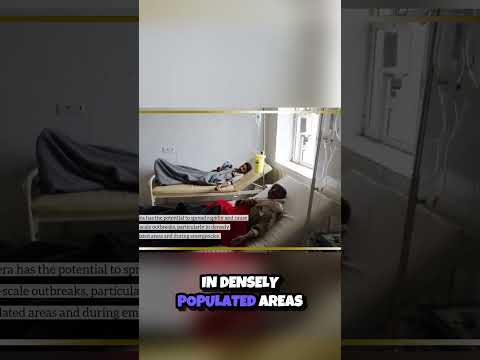
Hey, have you ever thought about how something so tiny can cause such big problems? I’m talking about cholera—yeah, that old-school illness that still pops up in surprising places.
You might think it’s something from history books, but guess what? It’s very much a real issue today, lurking in the shadows and affecting people all over the world.
Imagine waking up to an outbreak in your community. Yikes, right? The thing is, this isn’t just a distant problem; it hits vulnerable areas hard. So, what does this mean for all of us?
Cholera is more than just a disease; it’s a silent global crisis that we need to pay attention to. Let’s dive into what it is and why it matters now more than ever!
Understanding Cholera Transmission: Key Pathways and Prevention Strategies
Cholera is one of those diseases that can take you by surprise, like a sudden storm. Understanding how it spreads is key to keeping yourself and your loved ones safe. So, let’s break it down!
Water and Food Contamination are the main culprits in cholera transmission. You can catch it by drinking water or eating food that’s been tainted with the bacteria, usually because of poor sanitation. Imagine grabbing a delicious street taco and realizing later that the water used was contaminated. Yikes!
Another important point is poor hygiene practices. If people don’t wash their hands after using the restroom or before preparing food, they can spread cholera without even knowing it. It’s like passing a secret note, but instead of good gossip, you’re sharing germs! Keeping your hands clean goes a long way.
- Contaminated Water Supply: Drinking untreated water, especially in areas with outbreaks.
- Food Preparation: Eating seafood or street food from unreliable vendors.
- Poor Sanitation: Lack of clean toilets and waste disposal increases chances.
- Crowded Living Conditions: In close quarters, germs spread quickly.
If you want to beat cholera, focus on preventive measures. Drinking boiled or treated water is crucial — think of it as giving your body a shield! And washing hands before meals? Well, that’s like putting on armor against those sneaky germs!
You might wonder what’s being done about this global issue. Many organizations work to improve sanitation and hygiene practices in developing countries because preventing cholera starts with community efforts. It’s more than just individual actions; it’s about creating an environment where everyone can thrive safely.
The crisis may feel silent but don’t underestimate its impact. Stay informed and take those small steps towards cleaner habits—it makes a huge difference! Your health matters, and together we can combat this challenge one step at a time.
10 Effective Strategies to Prevent Cholera: Essential Guidelines for Safe Health Practices
Let’s chat about cholera, which is a serious but preventable disease. It mainly spreads through contaminated water or food, and guess what? You can take steps to shield yourself and your loved ones. Here are some effective strategies that can seriously make a difference:
- Drink Safe Water: Always choose clean water. If you’re in an area where cholera is common, boil your water or use water purification tablets.
- Wash Your Hands: Frequent handwashing is key! Use soap and clean water, especially before eating or after using the restroom.
- Store Food Properly: Keep food covered and store it in a cool place to avoid contamination. Don’t leave leftovers out for too long.
- Cook Food Thoroughly: Heat food adequately before eating it. Cooking kills most harmful bacteria, so don’t skimp on this!
- Avoid Raw Foods: Be cautious with raw seafood or salads when you’re traveling or in high-risk areas. They can easily carry germs.
- Use Clean Utensils: Make sure plates and cutlery are clean before eating. You wouldn’t want any unwanted guests at your meal!
- Disease Awareness: Educate yourself about cholera symptoms like diarrhea and dehydration so that you recognize them quickly.
- Avoid Street Food: If you’re in a place where cholera is common, be careful with street vendors. Choose freshly cooked meals instead.
- Vaccines:** If you’re traveling to places where cholera outbreaks happen often, consider getting vaccinated for extra precaution.
- Create Community Awareness: Sparking conversations about hygiene practices in your community can really help keep everyone safe!
You know, I remember when a close friend traveled abroad and got sick from drinking tap water—what a nightmare! But they learned these prevention strategies quickly and were back on their feet in no time. Just goes to show how vital it is to be aware of health practices wherever you are!
The thing is, while these strategies are pretty effective at lowering risk, they don’t replace professional healthcare advice or treatment if you need it. Stay informed and stay healthy out there!
Understanding the 5 Modes of Transmission of Cholera: Key Insights for Prevention
So, let’s talk about cholera. It’s one of those diseases that often gets overlooked, but it can really mess things up if we’re not careful. Understanding how it spreads is super important for keeping ourselves and our loved ones safe. Here are the five main modes of transmission of cholera:
- Contaminated Water: This is the biggie! Cholera spreads mainly through drinking water that’s been contaminated with the bacteria. Imagine sipping from a stream that was tainted; yikes!
- Foodborne Transmission: Eating food that was washed with contaminated water or comes from polluted sources can also spread cholera. Think about street food in some countries—if it’s prepared without clean water, that’s a risk.
- Fecal-Oral Route: This sounds gross, but it happens when the bacteria from stool gets into your mouth, usually through dirty hands or unclean surfaces. So always wash your hands after using the restroom!
- Mouth-to-Mouth Contact: Although this isn’t super common, sharing food or drinks with someone infected could potentially spread cholera if they’ve touched their mouth and then yours.
- Environmental Contamination: Sometimes, cholera bacteria can hang out in places like rivers or coastal waters where people swim or fish. If someone has it and has been in the water, you could be at risk too.
You know what’s wild? People might not even realize they’re sick until it’s pretty late. So staying aware and knowing how cholera spreads makes a huge difference in preventing outbreaks.
The thing is, while we can learn all this info about transmission modes, it’s crucial to remember that professional healthcare advice is key when dealing with health issues like cholera. Keep yourself informed and stay safe out there!
Understanding the Causes of Cholera: Key Factors and Insights
Cholera is one of those diseases that feels like a blast from the past. You might think it’s something from history books, but it still affects millions around the world today. So what’s really behind this silent global crisis? Let’s break it down.
First things first, cholera is caused by a bacterium called Vibrio cholerae. It usually sneaks into your system through contaminated water or food. Imagine if you drank or ate something that had this nasty little guy in it—yikes! That’s how cholera can spread so quickly, especially in places where sanitation isn’t up to par.
The main culprits behind cholera outbreaks often include:
- Poor sanitation: Many people lack access to clean water and proper sewage systems. When waste ends up in the drinking water, we have a recipe for disaster.
- Crowded living conditions: In areas where many people live close together, germs can hop from person to person like they own the place!
- Nutritional factors: If someone is malnourished, their immune system might not be ready to fight back against infections. This makes them more vulnerable to getting sick.
- Natural disasters: Floods or earthquakes can disrupt clean water supplies and create perfect conditions for cholera outbreaks.
You know, I once read about a family who lost a loved one to cholera after flooding hit their village. They didn’t have access to clean water or enough medical help. It just shows how intertwined everything is when it comes to health and environment.
An important thing to keep in mind is that anyone can get cholera if exposed. But sadly, not everyone has equal access to treatment when things go wrong. This makes prevention key! Keeping our water sources clean and ensuring everyone has access to basic hygiene can go a long way in fighting this disease.
So yeah, understanding the causes of cholera helps us recognize why awareness and action are so crucial in tackling this silent crisis. We all have a role in making sure our communities are better prepared!
Okay, so cholera. It’s not exactly a topic that pops up in casual conversations, right? But it really should get more attention. I mean, think about it: it’s one of those things that lingers in the background, not making headlines like other diseases do, but still affecting millions across the globe.
The thing is, cholera is sneaky. It spreads through contaminated water and food, and when it appears, it can cause severe dehydration and even death in just a matter of hours if you’re not careful. Can you imagine? One moment you’re feeling fine; the next, you’re racing to find help. A friend of mine once traveled to a region where cholera was prevalent and he came back with this wild story about how quickly things can turn south. He ended up being super cautious about everything he drank or ate while there—it was eye-opening.
A lot of people think it’s an “old-school” disease, like something from history books or documentaries. But guess what? It’s still out there. In places where clean water is hard to come by—like certain parts of Africa or South Asia—the risk is incredibly high. You might not hear much about it on the news unless there’s an outbreak, but trust me; it doesn’t take a major disaster for cholera to rear its ugly head.
Public health efforts are vital in raising awareness and making sure folks know how to protect themselves from this silent crisis. Education plays a huge role here—like showing communities the importance of clean water and proper sanitation can save lives! And honestly? It’s so heartbreaking when you realize that something as simple as good hygiene could prevent so much suffering.
At the end of the day, it’s all about connecting the dots between awareness and action. The more we talk about issues like cholera, the less silent they become—and maybe that’ll encourage more folks to step up and help out in any way they can. Awareness isn’t just talking; it’s about creating change for those who truly need it!
