

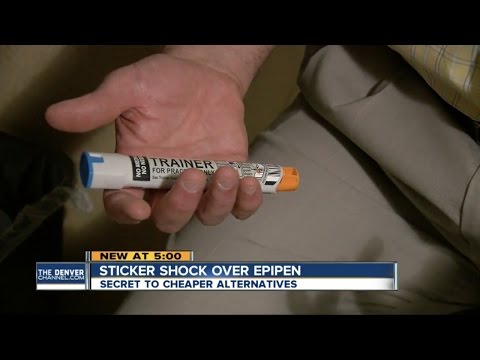
Hey there! So, let’s talk about something that’s been on a lot of minds lately: the price of EpiPens.
You know the drill. One minute you’re at the pharmacy, and the next—bam! You’re hit with that jaw-dropping price tag. It’s like getting socked in the gut, right?
You might be wondering, why is it so expensive? I mean, it’s just a little pen that saves lives! Well, there’s a whole tangled web of reasons behind those numbers.
In this chat, we’re gonna dive into what drives the cost of EpiPens up and why it feels like we’re all paying through the nose for them. So grab your favorite drink, settle in, and let’s unravel this mystery together!
Understanding Epipen Costs: Price Comparison, Insurance Coverage, and Financial Assistance Options
You know, those little EpiPens pack a big punch when it comes to keeping you safe from severe allergic reactions. But, if you’ve ever had to grab one at the pharmacy, you might’ve been in for a shock when you saw the price tag. Seriously, understanding why they can be so expensive is key for anyone who needs them.
First off, let’s talk about the costs. EpiPens usually retail for around $600 for a two-pack, but that can vary quite a bit depending on where you go. Yeah, I know—your jaw just dropped! The thing is, prices can change based on factors like your location and the pharmacy chain you’re visiting. Some pharmacies might offer discounts or have sales promotions that make them cheaper.
Now onto insurance coverage. Many health plans do cover EpiPens, but here’s the catch: your out-of-pocket cost will depend on your specific insurance plan. Sometimes it’s as low as $0 if you’re lucky enough to have good coverage. Other times? Well, it could set you back a pretty penny. Just remember that high-deductible plans might leave you paying more upfront until you’ve met your deductible.
What about financial assistance options? There are some programs out there designed to help folks with high costs. For instance:
- Manufacturer Assistance Programs: The company behind EpiPen has programs specifically for those who qualify based on income.
- Nonprofits: Some organizations also offer help for people struggling with medication costs.
- Pharmacy Discounts: Many pharmacies have discount programs or cards that can lower the cost.
So yeah, navigating this stuff can feel a bit overwhelming sometimes—like trying to find your way through a maze blindfolded. It’s always best to chat with your doctor or pharmacist about what works best for your situation and what resources might be available.
Remember, this info doesn’t replace professional healthcare advice! Always check with your healthcare provider about what’s best for you and how to deal with those pesky costs effectively!
Understanding Price Gouging: The Controversial Price Increases by Mylan Pharmaceuticals
So, let’s talk about something that really got people fired up: price gouging, especially when it comes to the EpiPen by Mylan Pharmaceuticals. You know, EpiPens are those little lifesavers for folks with severe allergies. They deliver a dose of epinephrine when you’re in a tight spot—like if you accidentally munch on a peanut butter cookie and you’re deathly allergic. Sounds critical, right? Well, here’s the kicker.
Back in the day, Mylan raised the price of the EpiPen from about $100 for a two-pack to over $600! Can you believe that? It’s like you go in for a lifesaver and walk out feeling like you’ve been robbed. Price gouging basically means unfairly hiking up prices when people need something badly. Think of it as cashing in on someone’s misfortune.
Here are some important points to consider:
- Supply and Demand: When there’s a high demand for a product and limited supply, companies sometimes raise prices. People are gonna pay whatever they can when they need it urgently.
- No Alternatives: Unfortunately, there aren’t many substitutes for an EpiPen. If people can’t find another option, they’ll pay up.
- Insurance Complications: Many folks rely on insurance to cover medications. When prices skyrocket, not everyone is able to afford their copay or deductible.
- Public Backlash: The outrage was huge! People took to social media and protested because—let’s face it—some things shouldn’t be so pricey.
A little story to illustrate this: I remember a friend who had a severe peanut allergy. One day she forgot her EpiPen at home during an outing and freaked out! Luckily she found one at a pharmacy nearby but then nearly fainted when she saw how much it cost. It was less about the money and more about feeling safe and secure – which just shouldn’t be tied to dollars.
In light of all this chaos over pricing, Mylan faced serious scrutiny from lawmakers and the public alike. They even had to defend themselves by claiming that part of those price increases went into development costs or providing more devices for low-income families—but many weren’t buying it.
So yeah, understanding price gouging isn’t just about numbers; it’s also about empathy and fairness. Everyone deserves access to life-saving medications without the stress of bankruptcy hanging overhead! But hey, if you’re curious or worried about anything health-related or financial decisions regarding these medicines, always hit up your healthcare provider or pharmacist for clarity.
Understanding the High Cost of EpiPens: Factors Behind Their Expensive Price Tag
Hey there! So, let’s chat about something that might have crossed your mind—EpiPens and why they can feel like a wallet buster. Seriously, it’s a bit of a head-scratcher. These handy devices are lifesavers for folks with severe allergic reactions, but their price tag can make you go, “Wait, what?!”
First off, the manufacturing costs play a big role. Making an EpiPen isn’t just throwing some ingredients together; it involves precision and quality to ensure safety. Plus, companies invest tons in research to develop their products and stay on top of ever-changing regulations.
Then there’s the monopoly situation. For a long time, there were really only one or two major players in the EpiPen game. When there’s not much competition, prices tend to rise because, well… they can! Think about it: if you’re the only ice cream shop in town during summer, you might charge more for that delicious scoop.
Insurance dynamics also come into play here. Sometimes people don’t realize that insurance companies negotiate prices differently based on contracts with manufacturers. This can lead to wildly different out-of-pocket costs for individuals, making it feel like a lottery just to get your meds.
Marketing expenses? Yep, those count too! Companies often allocate hefty budgets for advertising campaigns that drum up awareness—think celebrity endorsements and catchy commercials. You might see those ads everywhere which adds to the overall cost of the product.
A personal experience? I remember when my friend Lisa had an allergic reaction at a barbecue. I mean serious stuff—her throat swelled up like a balloon! Thankfully she had her EpiPen handy. But when we later talked about how much it cost her (thanks insurance), we both couldn’t believe how crazy high it was for something so essential.
So when you’re thinking about why EpiPens cost so much, remember: it’s not just one thing—it’s a mix of production costs, market dynamics and marketing strategies all wrapped up together!
The takeaway? Always keep this in mind: If you’re struggling with costs or access issues with vital medications like EpiPens, reach out to your healthcare provider or pharmacist to discuss options that work best for you!
Okay, so let’s chat about EpiPens for a minute. You’ve probably heard a thing or two about their sky-high prices, right? It’s like every time you turn around, there’s another headline screaming about how these little auto-injectors are costing people an arm and a leg, and honestly, it’s just mind-boggling.
So here’s the deal: EpiPens are lifesavers for folks with severe allergies. Like, imagine being at a barbecue and suddenly realizing you’re allergic to something in your plate. Boom! That’s where EpiPen swoops in to save the day by delivering a dose of epinephrine to counteract those nasty allergic reactions. But when you find out that some people are shelling out hundreds of dollars for these things, it raises some serious eyebrows.
I remember my friend Jessica—she’s got a severe peanut allergy. One time she had to refill her EpiPen prescription last minute before a trip. We were sitting on her couch late one night, and as she scrolled through the pharmacy app, her face dropped. The price had shot up again! I mean, the look on her face was heartbreaking. She was nervous about potentially facing a situation without her EpiPen but also worried sick about how much money she’d have to fork out just for peace of mind.
So what drives this soaring cost? It’s kind of complicated—a mix of manufacturing expenses, lack of competition in the market (seriously—there aren’t many alternatives), and even something called pharmacy benefit managers who play middlemen with pricing. They can influence costs in ways that don’t always make it clear why we’re paying so much.
And then there’s insurance. Sometimes they cover part of it, sometimes they don’t—and boy does that depend on your plan! It can feel like such a rollercoaster with no good outcome in sight. One moment you’re feeling secure with your meds; the next you’re panicking because they’re too pricey!
All this can make you feel pretty helpless sometimes. But chatting with friends or family who get it can help ease that burden just a bit. Honestly? It’s all so frustrating yet important to talk about because everyone deserves access to these life-saving devices without feeling like they have to choose between their health and their finances.
At the end of the day, it seems like we need more transparency around these prices—because nobody should have to suffer just because they can’t afford their meds!
