

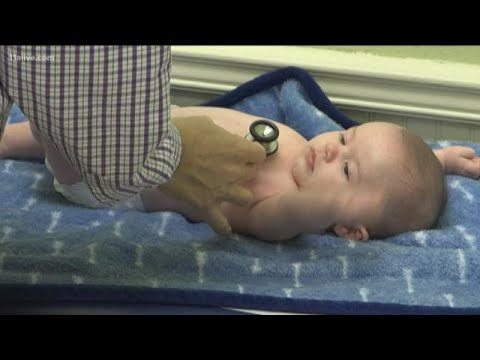
Hey there! So, let’s chat about something that every parent thinks about at some point: that MMR shot for your little one. You know, the one that helps protect against measles, mumps, and rubella? Yeah, it can be a bit overwhelming trying to figure out the right age for it. I mean, who wants to stress over needles and schedules?
When I was pondering all this for my kiddo, I remember feeling a whirlpool of questions. Like, is too early risky? Or are we waiting too long? It’s all so confusing! And let’s be real here—there’s tons of info out there, but it’s not always easy to wrap your head around.
But don’t worry! We’re gonna break this down together. It’s all about making sure you feel good about your child’s health choices. Ready to dive in? Let’s go!
Understanding the Optimal Age for MMR Vaccination: Safety Considerations
When it comes to vaccinating your little ones, the MMR vaccine is one of those hot topics everyone seems to have an opinion on. MMR stands for measles, mumps, and rubella—three diseases that can really mess with your child’s health. So, when’s the best time to get that shot? Let’s break it down.
The recommended age for the first dose of the MMR vaccine is between 12 and 15 months. You might wonder why this age? Well, infants are generally protected by their mother’s antibodies during their first few months. But after a while, those antibodies wear off, leaving them vulnerable. That’s why getting vaccinated at this age is super important!
The second dose usually happens between 4 and 6 years old. It helps boost immunity and makes sure kids are fully protected before they head off to school or start hanging out with friends more often.
You might be thinking about safety—who wouldn’t? Vaccines have been studied a ton! Most kids handle the MMR shot quite well. Some might get mild side effects like a sore arm or a low fever for a day or two. But serious side effects are quite rare! Remember though, if you have specific questions or concerns about your child’s health history, it’s always best to chat with a healthcare professional.
Key things to remember:
- The first dose of the MMR vaccine is recommended at 12-15 months.
- The second dose typically follows at 4-6 years old.
- Mild side effects are common but serious reactions are rare.
- If concerned about any health issues, consult a healthcare provider.
Catching up on vaccines in case of delays is also important! If your child misses that window for some reason (life happens!), you can still get them vaccinated later on. Just talk to a doctor about how to proceed safely.
In the end, every parent wants what’s best for their kiddo! Keeping up with vaccinations helps protect not just your child but also others around them. So stay informed and be proactive—it’s all part of being a great parent!
Impact of Early MMR Vaccination: Risks and Considerations
So, you’re curious about the MMR vaccination, huh? That’s totally understandable! It’s a big deal, especially when it comes to your little ones. The MMR vaccine protects against measles, mumps, and rubella. These are some serious illnesses that can lead to complications. But let’s break down what you might want to think about regarding timing and potential risks.
First up, the recommended age for the first dose of MMR is between 12 to 15 months. You might be wondering why there’s a specific age for this. Well, it’s because before this age, babies usually have some leftover immunity from their moms. It could actually make the vaccine less effective if given too early.
But hey, not every child is like every other child! Some may have certain health conditions or family histories that could influence decisions about vaccinations. For instance:
- Medical history: If there are kids in your family with weakened immune systems or allergies to vaccine components.
- Local outbreaks: If there’s an outbreak in your area, you might need to talk with your doctor about getting it sooner than usual.
You know what? There are also some concerns floating around about the timing of vaccines and their possible link to autism. Research hasn’t supported this idea at all, but it can still make some parents worried. It’s always good to chat with a healthcare professional who understands your concerns—trust me!
And guess what? Sometimes kids can experience mild side effects after getting the shot—like fever or a rash—but that’s pretty normal and usually nothing major! I remember when my niece got her MMR shot; she was a bit cranky for a day but bounced back like a champ!
The thing is, weighing the benefits against potential risks is part of being an informed parent. If you’re ever uncertain or anxious about vaccinations or their timing, just reach out! A healthcare expert can give you personalized info tailored to your kiddo’s needs.
Overall, keep in mind that while these vaccines have risks like anything else—seriously driving too fast has its risks too—the benefits generally outweigh those risks by a long shot!
Understanding MMR Vaccine Side Effects: What You Need to Know
Hey there! So, let’s chat about the MMR vaccine. You probably heard about it, but what’s the deal with side effects? Well, here’s a little scoop.
The MMR vaccine protects against measles, mumps, and rubella. It’s typically given to kids when they’re around 12 to 15 months old, with a booster shot between 4 and 6 years. Pretty cool, right? But sometimes parents worry about what could happen after the shot.
First off, it’s important to understand that side effects are usually pretty mild. You might see your child feeling a bit cranky or having a low fever. You know how sometimes kids just act up for no reason? This might be one of those times. Let’s look at some common reactions:
- Fever: A mild fever can pop up about a week after the shot.
- Rash: Some kiddos get a faint rash 7-10 days later.
- Soreness: The injection site may be sore or swollen for a little while.
Most of these side effects go away on their own, which is great news. I remember when my niece got her shot; she was fussy for just a day or two but bounced back quickly! Seriously, kids are resilient!
Now here’s where it gets juicy: more serious side effects can occur but they are super rare. Things like allergic reactions or seizure (fancy word for fits) can happen in extremely few cases—like one in every million doses kinda rare. The thing is, weighing potential risks against the benefits of getting vaccinated is key.
The MMR vaccine helps protect not just your child but also those around them who can’t get vaccinated due to other health issues. It builds immunity in communities! Remember that this info doesn’t replace your healthcare provider’s advice—always check with them if you have worries or questions.
You want to keep your little ones safe and healthy as they grow up! So understanding both sides—the benefits and potential side effects—is super important in making informed choices together with healthcare providers!
Exploring the Safety of Receiving Three Doses of MMR Vaccine: Key Insights and Considerations
So, let’s chat about the MMR vaccine for a hot minute. You know, that combination shot that protects against measles, mumps, and rubella? It’s super important for kids. But you might have heard some buzz about getting three doses of it. Is that safe? Well, let’s break it down.
First off, most children get their MMR vaccine in two doses. The first one is usually given between 12 and 15 months of age. Then the second dose comes in right around four to six years old. That’s pretty standard stuff! But some folks wonder if a third dose could offer added protection.
Now, research hasn’t shown a need for three doses in most cases. The safety and effectiveness of the two-dose schedule is backed up by a lot of studies. So why would someone think about a third dose? Sometimes it might be due to an outbreak or if your child is at higher risk because of health conditions.
Here are some key insights to consider:
- Two Doses are Enough: For the vast majority of kids, two doses provide effective immunity.
- Monitoring Outbreaks: If there’s an outbreak nearby, extra caution can be worth discussing with your healthcare provider.
- Individual Considerations: Some children may have specific health issues where extra shots could be considered—totally something to talk about with a doc.
I remember when my friend had her baby; she was so concerned about vaccines and did tons of reading. She ended up feeling much better after talking to her pediatrician about all these details—together they figured out what was best for her little one.
But here’s the thing: no matter how many doses you end up discussing or considering, always reach out to a healthcare professional for personalized advice! They can help clear things up based on your child’s specific needs.
In the end, keeping your kiddo healthy is what it’s all about. And vaccines like the MMR play a big part in that picture!
So, let’s have a chat about the MMR shot—yeah, that one! You know it’s the measles, mumps, and rubella vaccine. It’s super important for our little ones, but figuring out the right age for it can get a bit confusing. Here’s a little story to set the mood.
A while back, I was chatting with my friend Sarah at her kid’s birthday party. As cake crumbs flew everywhere and kids ran around like they were on sugar highs (classic!), she mentioned her worries about vaccines. Her little guy was just nearing 1 year old, and she wasn’t sure if it was time to get him the MMR shot. Honestly? I totally got where she was coming from. It can feel like you’re making these huge decisions for your kiddos based on what seems like a million things to consider!
Generally speaking, the MMR shot is usually given around 12 to 15 months of age. Then there’s a second dose between ages 4 and 6 years old. But seriously, each child is unique! And every parent has their own set of questions or hesitations when it comes to vaccines. For some folks, there’s fear stemming from misinformation out there—like wild stories you hear on social media (let’s be real; we all stumble upon those). It can be maddening.
If you ask me, it’s all about striking a balance between trusting healthcare professionals and feeling comfortable with your choices as a parent. Sometimes just talking with your pediatrician can ease those worries; they’ve got the facts at their fingertips—way more than any viral post online!
But hey, if your child is getting older and hasn’t had their MMR shot yet, it’s never too late to catch up! Late vaccinations are better than none at all because protecting your child from those serious illnesses is what really matters.
At the end of the day, staying informed helps regain that confidence in making choices that best suit our kiddos’ health needs. Just remember that you’re not alone in this journey; we’re all winging it together!
