

Hey there! Let’s chat about something that’s super important but often misunderstood—the MMR vaccine. You know, the one that protects against measles, mumps, and rubella? Yeah, that’s the one!
So, picture this: You’re at a family gathering. Everyone’s laughing, kids are running around, and suddenly you hear someone mention measles. Yikes! That can be scary, right? But here’s the thing: the MMR vaccine is like a superhero for your health.
In this article, we’re going to dive into why choosing the MMR vaccine is such a smart move for you and your loved ones. Trust me; it’ll make sense by the end! Let’s break it down together!
Understanding Parental Concerns: The Reasons Behind Refusal of the MMR Vaccine
So, we’ve all heard about the MMR vaccine, right? It’s a shot that protects kids from measles, mumps, and rubella. But some parents are still on the fence about it. Let’s dig into what’s behind those concerns.
First off, fear of side effects is a biggie. Parents often worry about the potential reactions their kids might have after getting vaccinated. You know, like fever or rash? But here’s the thing: most side effects are mild and go away quickly.
Then there’s the whole misinformation game. Thanks to social media and some questionable sources, a lot of myths about vaccines have spread like wildfire. For instance, some folks falsely link vaccines to autism—a claim that has been debunked many times! It’s no wonder parents get confused!
Cultural beliefs can also play a role. Some families might hold strong views against vaccinations based on their upbringing or community practices. It’s really important for them to feel respected while also being informed about health choices.
A lot of times, parents might just need more information. When you think about it, not everyone has all the facts at hand or knows where to find reliable info. They may feel overwhelmed by conflicting advice from friends and family.
And let’s not forget about that healthcare access barrier. Some families might struggle to get to a clinic or afford healthcare services. That can make it super tough for them to get their kids vaccinated on time.
The thing is, understanding these parental concerns is crucial for starting an open conversation about vaccines. It helps create trust and clears up confusion around something so important for kids’ health! After all, keeping our little ones safe is what we all want at the end of the day.
Remember though—this isn’t medical advice! Always chat with your healthcare provider if you’ve got questions about vaccinations or your child’s health.
Understanding MMR Immunity: Why Individuals Born Before 1966 Are Generally Exempt
Alright, let’s dive into MMR immunity! MMR stands for Measles, Mumps, and Rubella, which are three diseases that can be pretty nasty. So, the question is: why are people born before 1966 often exempt from needing the vaccine?
The thing is, back in the day, many folks were actually exposed to these diseases. If you were born before 1966, chances are you had measles or mumps at some point. Sound familiar? Because of that exposure, your immune system built up natural immunity. This means you’re less likely to get sick again from these diseases.
Now let’s break it down a bit:
- Natural Immunity: People who had these diseases usually develop lasting immunity.
- Vaccination History: The MMR vaccine became widely recommended in the late 1960s.
- Health Guidelines: The CDC considers individuals born before a certain time to have ample protection without needing the shot.
A little story: I remember my grandma chatting about how everyone in her school got measles in a big wave back in the ’50s. She said it was like a rite of passage! It sounds wild now, but that’s how immunity was built before vaccinations became so common.
The bottom line is that if you were around during those years, you’re likely walking around with some solid immunity thanks to your past experiences with those diseases. But remember, this isn’t a replacement for talking to health professionals if you have any questions about your own situation!
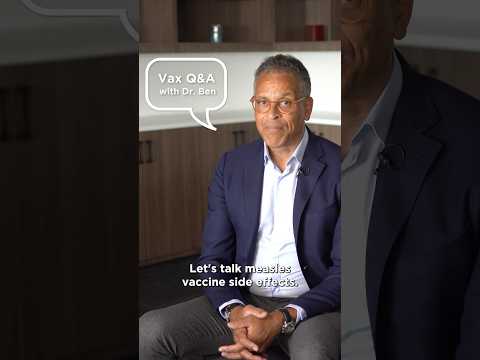
Comprehensive Guide to MMR Vaccine Side Effects: What You Need to Know
Alright, let’s talk about the MMR vaccine—that’s the one that protects against measles, mumps, and rubella. You might have heard some chatter about it. It’s super important to know what the potential side effects are, so you can be informed.
First off, side effects can vary from person to person. Some folks sail through with no issues at all, while others might have a rough day or two. Now, here’s what you could expect:
- Mild fever: A low-grade fever is quite common after getting vaccinated.
- Rash: Sometimes you might notice a little rash showing up, but it’s usually nothing to worry about.
- Soreness: That injection site? Yeah, it can be a bit sore.
- Swollen glands: This might happen in some cases too.
Remember when my buddy Jake got his shot? He was totally fine but had a slight rash for a couple of days. He was kind of worried at first but then realized it was just his body reacting to the vaccine—nothing serious!
Most side effects are mild and go away on their own pretty quickly. It’s always good to keep an eye out though! If anything feels off beyond what I just mentioned—or if you’re really concerned—reach out to your healthcare provider.
And hey, it’s worth mentioning that serious side effects are rare. But they can happen! That’s why keeping communication open with your doc is so vital.
Just remember: vaccines like MMR play a crucial role in keeping our community healthy by preventing outbreaks of these diseases! So weigh those benefits against what might happen after getting the shot.
If you’ve got more questions or need clarity about your specific situation—seriously, just talk to a health pro! They’ve got your back and can give tailored advice that this blog chat can’t cover completely.
Essential Guide to MMR Vaccine Doses for Adults: Importance, Recommendations, and Insights
Hey there! Let’s chat about something super important but sometimes gets overlooked—the MMR vaccine. You know, the one that protects you against measles, mumps, and rubella? Yeah, that’s the one! It’s not just for kids; adults need to pay attention too.
So, first things first—why is the MMR vaccine important? Well, these diseases can be really serious. Measles can lead to hospitalization and even death in some cases. Mumps? It can cause some painful complications like swelling of the testicles in men. And rubella might not sound too scary, but it can be a big deal if a pregnant person catches it. It could lead to severe birth defects!
Now, you might be wondering about how many doses you need as an adult. Usually, it goes like this:
- If you were born after 1957 and haven’t had the vaccine or any illness from those diseases, you’re gonna want at least two doses.
- If you’re unsure about your vaccination status or immune history—getting vaccinated is a smart move.
- Some people, like health care workers or travelers heading to countries where these diseases are common, might need extra doses or booster shots.
You see, around here I remember my friend Sarah—she thought she was covered because she had the vaccine as a kid. But when she traveled abroad last year, she found out her records weren’t clear! Thank goodness she checked beforehand and got her booster shot because she would’ve been at risk otherwise.
Oh! And here’s something that might surprise ya: getting vaccinated is often recommended by health professionals before travel and during certain outbreaks. So keep an eye on local news or health advisories—that’s always good practice!
To wrap this up nicely—keeping up with your MMR vaccine isn’t just about checking a box; it’s about protecting yourself and others too. But remember: if you’ve got specific questions or concerns regarding your health situation or vaccinations—definitely reach out to a healthcare professional! They’ve got the knowledge to steer you right.
Hey there! So, let’s talk about something that’s super important but often gets kind of muddled in the noise: the MMR vaccine. You know, that one for measles, mumps, and rubella? Now, I’m not here to preach or anything—just a friendly chat about health.
I remember when my younger cousin got his MMR shots. He was just a tiny guy with big brown eyes and the cutest little giggle. But then, I saw my aunt’s face when she spoke about how crucial those vaccinations were. She really believed it was the best way to keep him safe from some nasty diseases. And honestly? I totally get it now.
The MMR vaccine works like this: It introduces your body to a small part of those viruses—like a practice run—so your immune system can learn to spot them and fight them off later. Isn’t that wild? Kinda like training for a race; you don’t just show up without practice!
Now, here’s something else that’s interesting. Since the MMR vaccine was introduced, we’ve seen a significant drop in cases of these diseases. That means fewer hospital visits and less worry for families. Measles alone can be pretty serious; some people even end up in the hospital because of it! It’s no fun being sick and away from playtime.
But let’s not forget about those conversations that pop up every now and then about vaccines causing autism or other issues. It’s such a hot topic! Most studies have shown no solid connection there, but I get why people might be concerned—no one wants to make choices they regret when it comes to their little ones.
Overall, the MMR vaccine is really more about protection—for your kids and those around them too! I mean, we all want our loved ones healthy and happy, right? So maybe next time you hear chit-chat about vaccines, you’ll think back on this little convo and remember how important they are for keeping communities strong.
Anyway, just wanted to share my thoughts on this! Always good to stay informed but also remember to talk with professionals if you have questions. They really know their stuff!
