

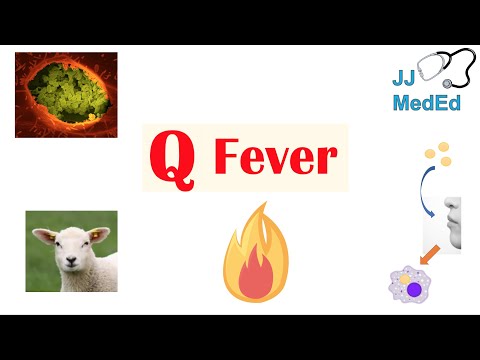
Hey there! Have you ever heard of Q Fever? Sounds a bit mysterious, right? Well, let me tell you—it is, and it’s more common than you might think!
So, what’s the deal with Q Fever? It’s caused by this sneaky little bacteria called Coxiella burnetii. Yeah, I know—sounds like something from a sci-fi flick. But seriously, this bug can throw a wrench in your day if you’re not careful.
What gets really interesting is how people are figuring out better ways to prevent and treat it. And that means we can chat about some cool innovations that are making a difference.
Stick around! You might just learn something that could help keep you and your loved ones safe.
Effective Treatments for Q Fever: A Comprehensive Guide
So, let’s chat about Q Fever. It might sound a bit scary, but it’s actually pretty manageable once you know what’s up. This disease comes from bacteria called Coxiella burnetii, usually found in farm animals like sheep, goats, and cattle. You can catch it by breathing in contaminated dust or droplets. Yikes, right?
Now, if you suspect you’ve got Q Fever or you just wanna know about how to deal with it, here are some things that come into play:
- Antibiotics: Doctors often prescribe antibiotics like doxycycline to help clear the infection. This is usually effective if caught early.
- Supportive Care: Seriously, just taking care of yourself can make a big difference! Rest and hydration are key components.
- Chronic Q Fever: Sometimes it sticks around. In such cases, doctors might recommend longer courses of treatment or different medications.
- Vaccination Research: There’s ongoing work on vaccines to prevent Q Fever. While there’s no approved vaccine yet for humans, some countries use them for at-risk livestock populations—thumbs up for prevention!
You know what? I remember when a friend of mine got sick after visiting a farm. She was really worried since she thought she’d contracted something serious. After some tests and treatment from her doctor—she was back on her feet in no time! So if you ever feel unwell after exposure to animals or their environments, don’t hesitate to reach out for help.
The thing is, keeping your health in check is super important. Just remember that any advice here isn’t a replacement for chatting with your healthcare provider—they’re the real experts when it comes to your health!
Understanding Q Fever: The Discovery and Its Causative Agent
Q Fever might sound like a mysterious term, but really, it’s a fascinating little story about discovery and science. It all started in Australia way back in 1935 when some sheep workers got sick. Doctors were scratching their heads trying to figure out what was going on. The weird thing? No one could find any bacteria or viruses!
Well now, fast forward to the early ’40s when scientists finally isolated the cause. They discovered that Coxiella burnetii, a tiny organism, was behind the illness. This little bugger is super hardy; it can survive in harsh environments for ages, which makes it tricky to deal with.
People usually encounter Q Fever from animals like cows and sheep, especially when they’re birthing. The germs can spread through dust or even just being around infected animals. So yeah, if you’re working with livestock or living near farms, staying aware is important.
So how does this affect us today? Well, researchers have been working hard on innovations for prevention and treatment of Q Fever. There’s a vaccine out there that’s used in some countries but isn’t widely available everywhere yet. In terms of treatment? Usually, antibiotics can help if someone gets sick from it.
To sum up:
- Coxiella burnetii is the cause of Q Fever.
- It’s often linked to livestock and farming activities.
- A vaccine exists but may not be available to everyone.
- Antibiotics can help treat infections.
Isn’t it wild how much we’ve learned since that first discovery? It’s all about understanding nature and keeping ourselves informed, right? But remember, being aware doesn’t replace expert advice if you ever find yourself in need!
Understanding Natural Methods of Human Exposure and Acquisition of Q Fever Infection
Alright, let’s talk about Q fever. It sounds kind of strange, huh? So, Q fever is caused by a bacteria called Coxiella burnetii, and it can make you feel pretty crummy if you catch it. The thing is, many folks don’t even know they’re sick! I mean, how wild is that?
So how do people get this nasty bug? Well now, exposure usually happens through a few natural methods:
- Inhalation: Breathing in dust or droplets that contain the bacteria. This often comes from animal products like sheep and cattle.
- Direct Contact: Handling infected animals or their fluids can be risky. That’s especially true for farmers or veterinarians.
- Aerosol Transmission: Sometimes the bacteria can spread through the air. If you live near farms, just be aware of your surroundings.
I remember my buddy Sam who worked on a farm. He had no idea he’d been exposed until he started feeling feverish and tired all the time. It turned out he’d been too close to some sheep during birthing season! Crazy how stuff can sneak up on you like that.
The good news? There are ways to reduce your risk of getting Q fever. Good hygiene practices and being cautious around infected animals are key steps to take. Always wash your hands after handling animals and wear protective gear if needed.
At the end of the day, while you might hear about fancy prevention methods in healthcare circles, it’s all about staying informed and taking simple steps to protect yourself. Just remember, this info isn’t a substitute for chatting with a healthcare pro if you think you’ve been exposed to something odd!
Essential Strategies for Preventing Q Fever: A Comprehensive Guide
Q fever, wow, it sounds serious, right? But don’t stress! It’s actually caused by a bacterium called *Coxiella burnetii*, and it can make people feel pretty unwell. The good news is that there are ways to help keep this little guy at bay. Here are some essential strategies for preventing Q fever.
- Know your risk: If you live or work near farms, especially those with sheep, goats, or cattle, you might be at higher risk of exposure. Keep an eye out!
- Protective gear: If you’re working with animals or in places where there’s dust from animal waste, wear gloves and masks. Seriously, a cheap mask can be a lifesaver.
- Control dust: Dust can carry the bacteria. Keeping your areas clean and damp can help reduce its spread. Think about using water to settle down any dust clouds when you’re cleaning.
- Avoid contact during outbreaks: If there’s a known outbreak nearby, steer clear of sick animals and their areas. Your health comes first!
- Vaccination: While there’s no widely used vaccine for humans yet, keeping up with information about vaccines for animals is super important if you’re around them.
- Regular check-ups: It doesn’t hurt to chat with healthcare professionals if you think you’ve been exposed or are feeling unwell. They might help clear things up.
And here’s a personal story: I remember my buddy Tom who worked on a farm. One day he came back home with the weirdest symptoms—fever and fatigue that knocked him out for days! Turns out he wasn’t being careful enough around the livestock during lambing season. I mean, just wearing a simple mask could’ve saved him so much hassle.
So remember these strategies to stay protected! Q fever isn’t something to take lightly but being informed and cautious makes all the difference. Just always keep in mind that if you have concerns about your health or potential exposure, chatting with a healthcare professional is key!
So, let’s chat about Q fever. Ever heard of it? It’s one of those illnesses that don’t really get a lot of airtime, but it can hit you harder than you’d expect. I remember my friend Sarah was feeling super under the weather for weeks. She had fatigue and persistent fevers, and we all thought she was just overworking herself. Turns out, she had Q fever!
Now, Q fever is caused by a little bug called Coxiella burnetii, which hangs out in animals like cows and goats. You can catch it through inhaling contaminated dust or even being around infected animals. It often flies under the radar because its symptoms can be pretty vague—think flu-like feelings that just won’t quit.
But here’s the kicker: researchers have been stepping up their game in finding ways to prevent and treat this illness. Vaccines are being developed to protect those who work around livestock—farmers, vets, you know? This is a big deal because prevention is key when it comes to public health.
And let’s not forget about treatment! If you do get hit with Q fever, antibiotics usually help clear things up pretty well. They’ve found that early treatment can make a world of difference in recovery time and keeping complications at bay.
Seriously though, it’s so fascinating how science keeps evolving. Knowing more about how to combat diseases like Q fever means that both individuals and communities are safer in the long run. And while I’m no expert or anything (definitely leave that to the professionals), I feel like staying informed about stuff like this is part of taking care of ourselves, right?
In the end, whether it’s understanding the prevention strategies or recognizing the signs early on if someone gets sick, knowledge is power! So let’s keep chatting about health topics like these because they matter—even if they seem a bit niche sometimes!
