

Hey there! So, have you ever thought about something that happens without you even knowing? Crazy, right? Well, let me introduce you to silent seizures. Yup, they’re a thing!
Imagine going about your day, laughing with friends or just chilling at home, and your brain is having these little electrical storms that you can’t feel. Sounds a bit sci-fi, doesn’t it? But here’s the kicker: many people don’t even realize they’re having them.
Now, thanks to some pretty neat tech developments, we can actually detect these sneaky little episodes. It’s like finding out you’ve been missing all the behind-the-scenes action in your own life! Curious yet? Stick around as we dive into this wild world of silent seizures and how technology is helping us understand them better. You won’t wanna miss it!
Detecting Absence Seizures: Innovative Devices and Technology Solutions
Detecting absence seizures can be quite a challenge. These are the sneaky ones that come and go quickly, often without anyone even noticing. Imagine you’re talking to someone, and suddenly they zone out for a few seconds. Sounds like no big deal, right? Well, it could actually be a sign of an absence seizure!
So, how do we catch these elusive episodes? The good news is that technology is stepping up its game. There are some really cool devices and innovations out there that help in spotting absence seizures. Here’s a quick look at what’s happening:
- Wearable Devices: Think smartwatches or specialized monitors that track brain activity or even heart rate changes. These gadgets can send alerts when they detect unusual patterns.
- Mobile Apps: There are apps designed to help people log their experiences. Some can even analyze data in real-time to pinpoint potential seizure activity.
- Video Monitoring: For those who need extra support, video monitoring systems can help caregivers keep an eye out for those sneaky moments of zoning out.
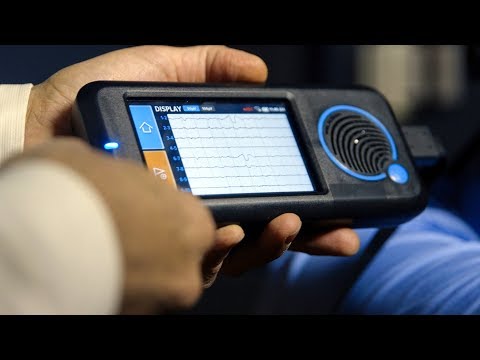
- Advanced EEG Technology: Some new devices use advanced electroencephalogram (EEG) technology to measure brain waves more precisely. This helps in detecting subtle changes often missed by standard tests.
Now, I remember a friend of mine sharing their worries about their child having absence seizures. They were so concerned about missing them because it could happen anywhere! But then they got one of those wearable devices and felt so much better knowing they would get alerts if anything unusual happened.
Of course, while these techy solutions sound super promising, they’re not a substitute for professional healthcare. It’s still essential to consult with healthcare providers to understand what’s best tailored for your needs or those of your loved ones.
So, while catching absence seizures might have been like finding a needle in a haystack before, technology is definitely lighting the way! Keep an open mind about these innovations; they might just be the key to getting more clarity on what’s going on during those silent moments!
Exploring Smartwatches That Can Detect Seizures: A Comprehensive Guide
You know how technology has been changing our lives, right? Well, smartwatches have jumped into health monitoring in a major way. One of the coolest things they can do is detect seizures! It’s kind of mind-blowing, but let’s break it down.
Seizures can happen without anyone noticing. They might not always look like what you see in movies. Sometimes, they’re silent and subtle—like a brief loss of awareness or little movements that go overlooked. This is where smartwatches come into play. They’re designed with sensors that can alert you or someone nearby if it detects certain patterns that suggest a seizure might be happening.
So what features should you look for in these nifty devices? Here are a few key points:
- Heart Rate Monitoring: Many smartwatches track your heart rate. Unusual changes might indicate something’s off.
- Movement Sensors: Accelerometers detect abnormal movements that could suggest a seizure is occurring.
- Alerts and Notifications: Some watches can send alerts to your phone or emergency contacts if they suspect a seizure.
- User-Friendly Apps: Many come with apps that allow you to log events and track patterns over time, making it easier to share with healthcare professionals.
I remember when my friend’s brother had his first seizure. It was so scary! Thankfully, he got diagnosed and learned how to manage things better. If only smartwatches had been available back then; it could have made such a difference in understanding his condition earlier.
The thing is, while these devices are amazing tools, they aren’t perfect and don’t replace medical advice or healthcare professionals. They just provide support and help monitor things closely—I mean, who wouldn’t want an extra pair of eyes on their health?
If you’re curious about using one for seizure detection or anything else health-related, having those conversations with your doctor is super important! Each person is different, so figuring out what works best for you is key.
In this tech-filled world we live in today, bridging the gap between everyday life and health management feels like an exciting adventure. Seriously! Just imagine what’s next on the horizon!
Revolutionizing Epilepsy Care: The Rise of Wearable Seizure Detection Devices
So, let’s chat about something pretty cool in the world of epilepsy care—wearable seizure detection devices. You might be thinking, “What’s that all about?” Well, these gadgets are like little superheroes for people who experience seizures, especially those that can go unnoticed.
First off, what is a seizure detection device? Think of it as a smart watch or fitness tracker but designed specifically to pick up on seizure activity. These devices use sensors to monitor things like movement and heart rate. If they detect something unusual, they can alert the person wearing it—or even their loved ones. Imagine having a tiny buddy who’s always on the lookout for you!
Now here’s where it gets interesting. Some seizures don’t show the typical dramatic signs we often associate with them. These are called silent seizures. They can happen without anyone noticing, which can be really tough for those affected. But! With these wearable devices, there’s potential to catch these silent episodes before they become a bigger problem.
You know, I remember hearing a story about someone named Alex who used one of these devices. One day at work, he felt weird but didn’t realize he was having a silent seizure. Luckily, his device went off and alerted his coworker right away! It was such a relief for him—and his coworkers too—to know they could act quickly.
The rise of this technology means:
- You get real-time monitoring without being overly intrusive.
- This could lead to more personalized care plans based on actual data.
- Families can feel safer knowing they’ll be alerted if something happens.
The thing is, while these devices are really amazing and helpful tools, they shouldn’t replace professional healthcare or medical advice. Always remember that talking with healthcare providers is super important when dealing with epilepsy or any health condition.
So there you have it! The future of epilepsy care looks brighter with wearable tech stepping into the game. Keep your eyes peeled; who knows what other innovations are coming down the line?
Top Seizure Detection Watches: Features, Reviews, and Buying Guide
So, let’s chat about seizure detection watches. You probably didn’t realize how cool and important these gadgets could be, huh? They’re designed to notice when a seizure happens and can really help those living with epilepsy or similar conditions. It’s like having a super smart buddy on your wrist!
What Do They Do?
These watches use different sensors to track your body’s movements and heart rate. If they notice unusual patterns, like some wild shaking or changes in pulse, they might send an alert to you or someone you trust. Pretty neat, right? Seriously, it’s like having a safety net.
Key Features to Look For:
If you’re thinking about getting one, here are some features that really stand out:
- Real-time alerts: You want one that sends immediate notifications if something seems off.
- Fall detection: Some models can even detect falls associated with seizures.
- Health tracking: Bonus points if it tracks your heart rate and overall activity levels!
- User-friendly app: Check if the watch syncs smoothly with a mobile app for easy monitoring.
A Couple of Reviews:
A lot of people have raved about **Smartwatch A** for its responsiveness. Users say the alerts are super timely, which is so important when every second counts! Then there’s **Fitness Tracker B**, which is loved for its durability—perfect for those who lead an active lifestyle. It might not have all the bells and whistles, but it gets the job done without fuss.
Your Buying Guide:
When you’re about to buy one of these nifty devices, consider your needs first. It’s smart to check reviews online and ask folks in similar situations what works best for them. And hey, don’t forget about battery life—nobody wants their watch dying when it matters most!
In the end, these watches are no replacement for proper healthcare or professional advice. They’re just awesome tools that can offer some peace of mind and enhance safety in daily life. So, do a little research and see what fits your lifestyle. Happy shopping!
You know, I was chatting with a friend the other day, and he mentioned his cousin had been having these strange moments—totally zoned out for a few seconds at a time. Honestly, I thought it sounded weird until he dropped the bomb: those could be silent seizures! Who knew, right? It’s like living in a movie where the hero is battling an invisible enemy.
So, silent seizures are kinda sneaky. They don’t always look like what you’d expect from TV shows or movies. You won’t see someone twitching on the floor. Instead, it’s more about those fleeting lapses in focus—just a few seconds where someone might seem spaced out. And that can make it tough to spot! Sometimes people may even think it’s just daydreaming or being lost in thought.
Here’s where technology comes into play. It’s pretty wild! There are now gadgets that can help catch these elusive episodes. Think smartwatches that track brain activity or apps that monitor your heart rate and motion. These tools can pick up on patterns that aren’t visible to the naked eye—like zooming in on a blurry photograph until it comes into focus.
I mean, wouldn’t it be amazing to have something that helps bring this hidden issue to light? Just last week I read about a mother who felt helpless watching her child experience these silent seizures without understanding what was going on. When they finally got the tech involved, it was like flipping on a light switch in a dark room—suddenly everything made sense.
But there’s still so much more to do! While these advancements are fantastic, they can’t replace professional healthcare or real conversations between doctors and patients. It’s just one piece of the puzzle.
It really makes you think about how our bodies can communicate things we might miss if we’re not paying attention—or if we don’t have the right tools at hand. So yeah, whether you’re living with this condition or know someone who is, technology’s becoming this vital ally against those sneaky silent seizures while reminding us all to stay aware and connected!
