

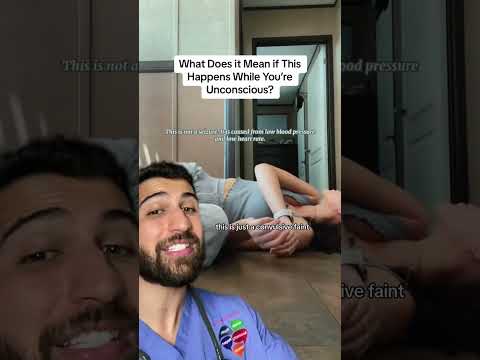
Hey there! Have you ever felt super dizzy, like the world is spinning, and then bam—you’re on the floor? Yikes, right? That’s what a vasovagal attack can do. It’s basically your body overreacting to certain triggers.
You know, it happens to more people than you’d think. You might not even realize it’s happening until it’s too late. But understanding what kicks off these episodes can really help. And here’s the cool part: when we know the triggers, we can think up some clever tech solutions to help manage them.
So, whether it’s stress from work or a needle at the doctor’s office that sends you into a spiral, let’s dive into this together! Trust me; you’ll feel way more equipped to handle it all after we chat about it.
Understanding the Three P’s of Vasovagal Syncope: Causes, Symptoms, and Management Strategies
So, you’ve probably heard of vasovagal syncope, right? It’s that sudden fainting thing that can happen when your body goes a bit haywire. Understanding the three P’s—Causes, Symptoms, and Management Strategies—can really help you grasp what it’s all about.
Causes: There are different triggers that can cause this to happen. For instance:
- Stress: Ever felt super anxious before a big presentation? Yep, that can do it.
- Pain: If you stub your toe or have a nasty headache, your body might react by fainting.
- Sight of blood: You know when you’re watching a movie and someone gets hurt? Some folks just can’t handle it!
The thing is, these triggers mess with your nervous system, temporarily lowering your heart rate and blood pressure. Just like my friend Carla, who once nearly passed out at the sight of a cute dog getting its nails clipped! It was both hilarious and worrying.
Symptoms: If you’re about to experience a vasovagal episode, your body will give you some clues. Look out for:
- Dizziness or lightheadedness
- Nausea
- A warm sensation flowing through your body
- Pale skin or sweating
The cool part? Most symptoms happen right before you actually faint. Your body basically throws up a red flag saying, “Hey! Something’s off!”
Management Strategies: After you know what’s going on, the next step is figuring out how to deal with it. Here are some ideas people try:
- Avoid known triggers—like skipping that crazy roller coaster if heights freak you out.
- Sit down or lie down when feeling woozy; it’s like giving yourself a mini time-out!
- If you’re feeling faint, elevating your legs can help blood flow back to the brain.
It’s important to remember that everybody’s different! What works for one person might not work for another. This isn’t meant to replace talking to a healthcare professional who can give personalized advice.
The bottom line here? Knowing about vasovagal syncope—its causes, symptoms, and ways to manage it—can empower you. So next time something makes you feel funny in the head, you’ll have the info on hand to navigate the situation better!
Understanding Vasovagal Syncope: Risks and Reality of Life-Threatening Outcomes
Vasovagal syncope sounds fancy, right? But it’s kinda just a fancy way of saying you faint because your body gets a little too excited about things. It’s one of those moments when your heart slows down, blood pressure drops, and boom—you’re on the floor! It happens to lots of folks—maybe more than you think.
So, what really triggers these spells? Well, a bunch of stuff can set off a vasovagal episode. Here are some common culprits:
- Stress: You know that feeling when you’re super stressed or anxious? Yeah, that can do it.
- Pain: Some people faint when they’re in pain. Ouch!
- Standing up too fast: Seriously, don’t spring outta bed like you’re in a race—take it easy.
- Hot environments: If it’s too hot or crowded, you might feel woozy and hit the ground.
Picture this: Your buddy Mike is at a concert. He’s sweating bullets in the crowd, totally stressed about getting squished! Suddenly, he feels lightheaded and boom—down he goes. It’s alarming but not always serious. Most people recover quickly from these episodes.
Just because vasovagal syncope isn’t usually life-threatening doesn’t mean we should brush it off. There are risks involved; sometimes people get hurt when they fall or faint unexpectedly. And if you’re prone to these episodes, knowing what triggers them can be super helpful.
So here’s the deal: if you ever experience frequent fainting spells or have concerns, definitely chat with a healthcare pro. They can help separate fact from fiction and provide guidance tailored just for you!
And remember, understanding your own body is key! Keep in touch with those triggers and make sure you’re taking care of yourself—it really matters!
Understanding the Causes of Vasovagal Syncope: A Comprehensive Guide
Alright, let’s dive into something that sounds super fancy but is actually pretty straightforward: vasovagal syncope. It’s just a way of saying you fainted because your body got a little too excited. Sometimes it can hit you out of nowhere, and it might leave you wondering why.
So, what’s happening in your body during one of these episodes? When your heart rate drops and blood vessels widen, your blood pressure can take a nosedive. As a result, not enough blood gets to your brain, and boom—you’re on the floor!
Here are some common triggers for vasovagal syncope:
- Emotional stress: You know those moments when you’re embarrassed or anxious? That can do the trick.
- Pain: Yep! A nasty stubbed toe or any sharp pain might send you spinning.
- Standing for too long: If you’re at that party and didn’t realize how long you’ve been just hanging out on your feet, dizziness can sneak up on you.
- Heat exposure: Ever feel lightheaded in the summer sun? It’s real. Your body doesn’t like it much either.
- Bodily fluids: Blood draws or even seeing someone else get hurt can cause fainting spells. Crazy, right?
You might remember a time when you felt faint from excitement or stress. Like that moment before stepping on stage for a performance? Or maybe when meeting someone famous? Your heart races, you’re sweaty, and suddenly—bam! You can’t see straight anymore. That’s vasovagal syncope knocking at the door!
The good news is that most episodes are harmless and temporary. Still, it’s smart to keep an eye on how often this happens to you—or if it does at all. Just remember—your experience matters! Don’t hesitate to chat with someone who knows their stuff if it becomes frequent.
If tech solutions are something you’re interested in for managing these episodes better—think apps that track symptoms or just remind you to chill out sometimes! Remember though, always consult with healthcare professionals about what works best for you!
This topic can seem daunting at first glance but understanding vasovagal syncope, its causes, and its triggers helps pave the way for better awareness in our everyday lives!
Effective Strategies for Preventing Vasovagal Syncope: Tips and Insights
Alright, let’s chat about something that can totally make your knees weak: vasovagal syncope. You know, it’s that fancy term for when you faint because your body overreacts to certain triggers. It can happen to anyone, and honestly, it can be a bit scary. But understanding what might bring it on can help you stay on your feet, literally!
So, first off—what causes this fainting spell? Well now, a lot of things can set it off! Stress, pain, or even standing up too fast. But don’t worry just yet! There are some strategies you might find helpful.
- Stay Hydrated: Seriously, hydration is key! If you’re feeling a bit dizzy or light-headed, drink some water. Keeping your blood volume up can help.
- Know Your Triggers: Pay attention to what makes you feel faint. Is it blood? Long lines? Write them down if that helps! Once you know what might trigger an episode, you can plan around it.
- Avoid Rapid Changes: When getting up from sitting or lying down, do it slowly. Give your body a moment to adjust—trust me; it really helps!
- Breathe It Out: Anxiety and stress often lead to these scary moments. Deep breathing exercises can ground you before things get overwhelming.
- Squeeze Your Muscles: Simple as that! If you feel like you’re going down for the count, just tighten your leg muscles or cross your legs while standing—it can keep the blood flowing nicely.
You know what? A friend of mine had a rough patch with vasovagal syncope at one point. She got so anxious about fainting that she started avoiding crowded places and public transport—it was tough for her! But once she learned these tricks and realized she wasn’t alone in this struggle; she felt more empowered. That’s the spirit!
The thing is, while all these tips are great and everything, it’s super important to check in with a healthcare professional if you’re worried about fainting episodes or if they happen frequently. Remember: this chat here doesn’t replace professional advice!
So keep these strategies in mind while living life fully—don’t let fear hold you back! You’ve got this!
So, let’s chat about something that might sound a little technical at first but is super important—vasovagal attacks. Ever heard of them? It’s when your body decides to throw a mini freak-out. You might feel dizzy, lightheaded, or even faint. Yeah, not fun!
I remember this one time at a family gathering. My cousin was sharing some wild stories about his hiking adventures when suddenly, he just zonked out right there on the floor. Everyone freaked out for a second! Luckily, he was okay after a few moments—turns out it was just a vasovagal response triggered by all the excitement and the heat in the room.
Now, understanding what triggers these reactions could really help in creating tech solutions that are more user-friendly and safer for folks who might be prone to these attacks. For example, if someone knows they’re more likely to have one during stressful situations—like when they’re in front of a crowd or under too much pressure—it could change how tech is designed around those moments.
A smart watch that senses rising heart rates or sudden drops in blood pressure could alert you before things get too crazy. You know? Or maybe an app that helps you track your triggers—like stress levels or sleep patterns—would be helpful too! Because knowledge is power, right? It’d allow people to take control and maybe even avoid situations where they could faint.
And look, I get it; tech isn’t perfect and won’t fix everything. But imagine being able to notify your friends or family if you’re feeling off—that reassurance would mean the world in those moments.
So yeah, exploring the triggers of vasovagal attacks can lead to some pretty cool innovations. Overall, it’s all about understanding our bodies better and using technology as our trusty sidekick instead of just another gadget on the shelf!
