

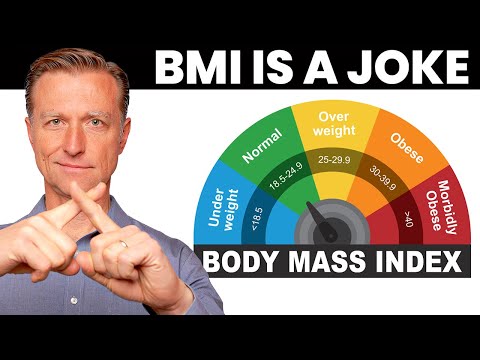
Hey there! So, let’s chat about something we all think about: our weight and health. You know that feeling when you step on the scale and just wish it would magically show the number you’ve been dreaming of? Yeah, we’ve all been there.
Here’s the scoop: understanding your Body Mass Index (BMI) and having a good weight chart can really help you figure things out. It’s not just about numbers—it’s more like a guide to feeling your best. Seriously, it can help you make sense of what your body is doing and how to optimize your health without stressing yourself out too much.
We’re gonna dive into what BMI is, how it works, and why that weight chart is more than just a piece of paper. Ready to take this little journey with me? Let’s go!
Understanding the Ideal BMI for Optimal Health: A Comprehensive Guide
So, you’ve probably heard about BMI, or Body Mass Index, right? It’s that number that gives you a rough idea about whether your weight is in a healthy range for your height. But what does it really mean for you? Let’s break it down in a way that’s super easy to digest.
First things first, BMI is calculated using a simple formula. You take your weight in kilograms and divide it by your height in meters squared. And voilà! You get a number that falls into one of the categories: underweight, normal weight, overweight, or obese. Pretty straightforward!
For adults, here’s how the categories usually shake out:
- Underweight: BMI less than 18.5
- Normal weight: BMI between 18.5 and 24.9
- Overweight: BMI between 25 and 29.9
- Obesity: BMI of 30 or higher
Now, just because something’s labeled “normal” doesn’t mean it fits everyone perfectly. You know how we all come in different shapes and sizes? Well, muscle weighs more than fat! So if you’re super fit with lots of muscle, your BMI might say you’re overweight when you’re actually healthy.
What I want you to remember is this: BMI isn’t the whole picture of your health. It doesn’t consider factors like muscle mass, bone density, or even where you carry fat on your body. So while it’s good to have as a guideline, don’t freak out over one number!
Now let me share a little story. One time my friend Sarah was really worried because her BMI put her in the “overweight” category even though she runs marathons! She decided to talk to a healthcare professional who explained all this stuff about muscle vs fat and how she was actually doing great health-wise. So yeah—don’t let numbers define you.
And hey! If you’re thinking about making changes—like eating better or moving your body more—always chat with someone who knows their stuff about health before diving right in.
At the end of the day, BMI can be useful as a general guideline, but true health is bigger than just one number on the chart. Listen to your body and do what feels good for you!
Exploring the Decline of BMI Use Among Doctors: Alternatives and Insights
So, you’ve probably heard of BMI, right? Body Mass Index has been a standard tool for measuring if someone is underweight, normal weight, overweight, or obese. But guess what? Many doctors are starting to rethink this approach. Yeah, seriously!
Why the shift? Well, BMI doesn’t take into account things like muscle mass or distribution of fat. So if you’re a fit person with muscles — you might be categorized as overweight just because of the numbers. It’s a bit misleading when you think about it!
Now, let’s break down some alternatives that are popping up as doctors look for better ways to assess health. Here are a few:
- Waist-to-Hip Ratio: This measures where fat is stored in your body instead of just how much there is. It can give insights into potential health risks.
- Body Fat Percentage: This tells you how much of your body is made up of fat versus muscle. Muscles are good; they usually mean you’re healthy!
- Health Markers: Blood pressure, cholesterol levels, and blood sugar can paint a clearer picture of your overall health than BMI ever could.
Okay, so here’s the thing: this doesn’t mean BMI should be thrown out completely—it still has its place in certain contexts. But being aware that it’s not the whole story is super important.
I remember my friend Jake used to fret over his BMI numbers even though he was running marathons! Once he learned about these other methods to gauge his health, he felt so much better about his fitness journey.
In the end, keeping an eye on your overall wellbeing—rather than fixating on one number—could be what really matters. Just remember: always chat with healthcare professionals for personalized advice! It’s all about finding what works best for YOU!
Ultimate BMI and Weight Chart PDF: Your Guide to Health Optimization
So, you’ve probably heard about BMI or Body Mass Index before, right? It’s like that popular kid in health talk circles. But what is it exactly? Well, it’s a simple number calculated from your height and weight, helping to categorize whether you’re underweight, healthy, overweight, or even obese. It’s not all personal; it’s pretty much a ballpark figure.
Now let’s break down how it works! You take your weight in kilograms (or pounds) and divide it by your height in meters squared (or inches squared). Sounds tricky? Kind of! But you can find calculators online that do this math for you in a snap. Just type in your numbers and voilà!
But hold on—before you start obsessing over what the chart says about you, keep in mind that BMI isn’t the whole story. Sure, it’s useful, but it doesn’t account for muscle mass or where fat is located on your body. What if you’re super fit but still fall into the “overweight” category? That wouldn’t be fair at all!
Here are some things to think about when using BMI and weight charts:
- BMI ranges: Underweight (
- Not the only measure: Muscle weighs more than fat! So athletes may have high BMIs but be super healthy.
- Other factors matter: Age, sex, and genetics all play a role in health—so don’t stress just over numbers!
- A tool for awareness: Use it as a starting point to gauge where you’re at with your health.
I remember when my friend Jake started tracking his BMI because he was feeling sluggish. He freaked out when he saw he was “overweight.” But after chatting with him, I encouraged him to look at his activity level and diet instead of focusing solely on that number. Turns out he was working out like crazy! It’s good to have perspective.
If you’re curious about tracking this stuff further, you might want to look for an ultimate BMI and weight chart PDF. These usually show everything laid out nicely so you can see how you’re doing compared to standard ranges.
But hey—a PDF or chart should never replace what a doctor tells you about your health. They’ll give you insights tailored just for you!
So next time someone mentions their BMI or pulls up a weight chart, remember: it’s just one piece of the health puzzle! Keep it cool and take care of yourself holistically—mind and body included!
Calculate Your BMI Easily: Accurate Body Mass Index Tool for Health Insights
Let’s chat about BMI, or Body Mass Index, shall we? You’ve probably heard of it before. It’s a pretty handy tool to give you some insights into your health based on your height and weight. And don’t worry; calculating it is super easy!
First up, you need to know how to calculate your BMI. The formula is weight (in kilograms) divided by height (in meters) squared. Sounds fancy, right? But here’s a simple breakdown:
1. **Convert your weight** into kilograms if it’s in pounds. Just divide by 2.2.
2. **Convert your height** into meters from feet or inches. For inches, multiply by 0.0254.
3. Finally, use the formula: take your weight in kg and divide it by the square of your height in meters.
Let me show you a quick example: If you weigh 150 pounds and are 5 feet 5 inches tall, that means:
– Weight in kg: 150 ÷ 2.2 = about 68 kg
– Height in meters: (5 feet x 12 + 5 inches) x 0.0254 = around 1.65 m
– Now plug these into the formula: **BMI = 68 / (1.65 x 1.65)** which gives you about **24.98**.
Pretty neat, huh?
Now that we got that sorted out, what does your BMI mean? Well, here’s a general idea:
- Underweight: BMI under 18.5
- Normal weight: BMI between 18.5 and 24.9
- Overweight: BMI between 25 and 29.9
- Obesity: BMI of 30 or more
It’s important to note that while this can be a useful measure for many people, BMI doesn’t tell the whole story. It doesn’t consider factors like muscle mass, bone density, or where fat is distributed on your body.
And hey! I get it—numbers can be overwhelming sometimes! A few years back, I was obsessed with my own numbers after reading about health trends online late at night—crazy right? Realizing that focusing just on the number wasn’t giving me the full picture was eye-opening.
To sum it all up: calculating your BMI isn’t rocket science! It can give you a quick snapshot of where you’re at on the health spectrum—but remember it’s just one piece of the puzzle! Always consult healthcare professionals for personalized advice because every body is different and unique.
So go ahead and try calculating it yourself; you might find it surprising! Just keep in mind to take everything with a grain of salt when assessing how you feel overall about your health!
So, let’s talk about this thing we call BMI and weight charts. You know, when I first heard about them, I thought it was just some fancy number game that people used to judge each other—like high school all over again! But the more I learned, the more I realized there’s a bit of gold buried in all those numbers.
First off, BMI, or Body Mass Index for the long-winded folks out there, is a way to gauge whether you’re in a healthy weight range for your height. It ain’t perfect; I mean, if you’ve got muscles like a superhero or maybe you’re carrying some extra fluff from that amazing ice cream binge (no shame here!), it might not give you the full picture. Still, it can be a good starting point.
I remember chatting with my buddy Jess about her struggles with weight. She’d been feeling down because she thought she wasn’t hitting the “ideal” number on the scale. We pulled up the BMI chart together over coffee one afternoon. Turns out, she was in a totally normal range! Just seeing that made her smile so much brighter. Sometimes it’s easy to forget that health isn’t just about numbers—it’s about how you feel too.
And those weight charts? They’re like guiding stars on your journey to health. You can see where you stand and maybe set some personal goals if that’s what you want! But there’s something to keep in mind: these charts don’t take into account factors like age or muscle mass—and everyone’s body is different.
At the end of the day, it’s important to remember that health is not one-size-fits-all. Sure, tracking these numbers can help you understand yourself better but don’t let them box you in or define your worth.
So next time you look at a BMI chart or step on a scale, remember Jess and how much her mood lifted from knowing she was doing just fine. It’s all part of figuring out what works best for you and embracing your own journey toward happiness and wellness!
