

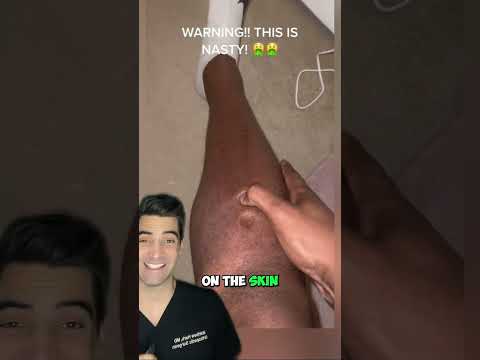
Hey there! Have you ever felt a bit puffy after a long flight or noticed your feet swelling up after standing all day? Ugh, right? That’s edema for you!
It sounds fancy, but it’s really just a way of saying your body’s holding onto too much fluid. Honestly, it can happen to anyone. And it often comes out of nowhere, kinda like an unexpected guest at a party.
So let’s dive into this topic together. We’re gonna break down what causes edema and why it happens more often than you’d think. Grab a comfy seat, because this is one health mystery worth unraveling!
Unraveling the Causes of Edema: Understanding Its Root Origins
Hey there! Let’s chat about something that can be pretty uncomfortable: edema. You know, that swelling you sometimes get in your feet, ankles, or hands? It’s more common than you might think. So, what really causes this? Let’s unravel a few of those root origins together.
First off, **edema** happens when excess fluid builds up in your body’s tissues. It might sound alarming, but it can be linked to a variety of reasons.
Here are some common causes:
- Injury or inflammation: If you’ve ever twisted an ankle or gotten stung by a bee, swelling often shows up as part of the healing process.
- Interstitial fluid imbalance: Sometimes, it’s all about the balance between fluids inside and outside your cells—when that gets tossed around, swelling can occur.
- Sitting or standing too long: You know those days when you’ve been glued to your chair? Yup, that can cause fluid accumulation in your lower limbs.
- Certain health conditions: Heart problems, kidney issues, or even liver troubles can lead to edema. It’s like a warning sign from your body saying something needs attention.
- Pregnancy: It’s pretty normal for expecting moms to experience some swelling due to hormonal changes and extra fluid retention.
Seriously though, it’s important we don’t overlook the role our lifestyle plays too. Diet matters—too much salt can make you retain water like nobody’s business!
And here’s something I remember from a while back: my friend Amy used to get swollen feet after her long shifts at work. She thought she was just standing too much. Turns out it was partly due to her love for salty snacks! Once she adjusted her diet and made sure to move around more during breaks, the swelling got way better.
So anyway, if you’re dealing with edema frequently—or if it seems super serious—definitely reach out for some professional help. Your body is trying to tell you something! Remember though; this chat doesn’t take the place of any expert advice.
So there you have it! Edema isn’t just a random thing; it’s got some roots worth understanding. Keep an eye on those little signs your body gives you!
Effective Strategies for Flushing Out Edema: Tips and Techniques
Edema can be a real nuisance, you know? It’s that pesky swelling that happens when your body hangs on to too much fluid. You might notice it in your feet, ankles, or even your hands. But there are definitely some ways to help flush it out!
Stay Hydrated
It might sound weird, but drinking more water can actually help. When you’re well-hydrated, your body feels less need to hold on to fluid. Try carrying a water bottle with you to keep sipping throughout the day.
Movin’ Around
Getting up and moving helps a ton. Whenever you’re sitting or standing in one place for a while, your blood circulation can slow down and attract fluid buildup. Even just stretching or taking a quick walk can make a difference!
- Elevate Your Legs: If your feet or legs are swollen, try propping them up on something. This can encourage the fluid to flow back where it belongs.
- Socks with Compression: They’re not just for grandma! Compression socks gently squeeze your legs and prevent swelling by promoting better blood flow.
- Limit Salt Intake: Too much salt makes your body hold onto water. So maybe go easy on the salty snacks!
I remember a time when my friend Mark was complaining about his swollen feet after his long flights. He was practically waddling around like a penguin! We looked into some of these strategies together, and he started walking around during layovers and drinking more water—guess what? He felt way better after just a few trips.
Watch Your Diet
Eating fresh fruits and veggies is key too. Foods rich in potassium like bananas or avocados can help balance out sodium levels in your body and prevent that annoying puffiness.
At the end of the day, while these strategies may help manage edema, it’s super important to chat with a healthcare professional if you’re noticing persistent swelling. They can help figure out any underlying issues you might not be aware of yet! So keep these tips in mind but always prioritize professional advice too—your health is what matters most!
Understanding the Nutritional Deficiencies That Lead to Oedema: Causes and Implications
Oedema, or swelling, can sometimes feel like a mystery, can’t it? You might notice your feet looking puffy after a long day or maybe your fingers feel tight when you put on rings. So, what’s going on beneath the surface? Well, nutritional deficiencies are often at play.
Nutritional deficiencies occur when your body doesn’t get enough of the vitamins and minerals it needs to function properly. And when it comes to oedema, specific nutrients are crucial.
- Protein: If you’re not eating enough protein, your body may struggle to keep fluids in the bloodstream. This can lead to swelling in your legs and abdomen.
- Sodium: Too much sodium can cause your body to retain water, but not getting enough can have the opposite effect. Balance is key!
- Potasium: This nutrient helps regulate fluid balance. Not getting enough potassium might put you at risk for unwanted swelling.
- Magnesium: A lack of magnesium could contribute to inflammation and water retention—so, munch on that leafy greens salad!
You know, I remember a friend of mine who always complained about her swollen feet after work. Turns out she wasn’t eating much protein during the day! Once she started paying attention to what she was munching on, things got better for her.
The implications of these deficiencies extend beyond just uncomfortable swelling. If left unaddressed, they could lead to complications that impact overall health. Fluid balance is super important in our bodies; if it’s off-kilter for too long, it may affect various systems.
So next time you’re feeling a little extra bloated or puffy, consider what you’ve been eating lately. Just remember though: this chat isn’t a substitute for talking with a healthcare pro if you have concerns about your health!
Understanding Edema: Risks, Complications, and Life-Threatening Scenarios
So, have you ever noticed your feet or ankles looking a bit puffy? That could be edema, a condition where excess fluid builds up in your body’s tissues. It might sound kinda weird, but it’s actually more common than you think!
Now, what’s really going on here? Edema can happen for a bunch of reasons. Maybe you ate too much salty food, or you’ve been sitting for way too long—like during that Netflix binge-watch session. But sometimes, it can be linked to other health issues.
Here are some potential causes:
- Heart problems
- Kidney issues
- Liver disease
- Certain medications
- Pregnancy
But hang on, there’s more to it! While edema itself often isn’t dangerous, it can lead to some serious complications if not addressed. For instance, if your legs swell a lot and the skin stretches too much, it could break open—which is super painful and not fun at all.
In more severe cases, edema might indicate something major. Like if your heart isn’t pumping blood effectively or if your kidneys aren’t doing their job properly. It’s like your body’s way of waving a flag saying, “Hey! Something’s up!” And trust me; ignoring that flag isn’t the best idea.
A while back I had a friend who experienced swelling after sitting at work all day without moving much. She thought it was just another bad day at the office. Turns out she had some underlying issues that needed attention. Crazy how something seemingly simple can snowball into bigger problems!
If you notice persistent or serious swelling, it’s best to talk to someone who knows their stuff—like a healthcare provider. They can help figure out what’s causing it and get you on the right path.
The bottom line is: edema isn’t just about puffy feet or hands; it can signal underlying health conditions that deserve some attention. So stay aware and take care of yourself! Even small changes like moving around during long periods of sitting could make a difference.
So, let’s chat about something that doesn’t get a lot of attention—oedema. You might have heard this term thrown around, but it’s one of those health issues that often lurks in the background, quietly causing discomfort without really stealing the spotlight. Oedema is basically when your body holds onto too much fluid, leading to swelling in areas like your legs, feet, or even your face. And honestly? It can be a bit frustrating.
I remember a time when my friend Sarah came over for dinner. She was limping a bit and looked really uncomfortable. After we got to chatting, I realized her ankle was swollen from some intense workouts she had been doing. It turns out that overdoing it at the gym can lead to oedema sometimes! We all have our limits, right? But Sarah didn’t know that her body was trying to tell her something important.
There can be many reasons behind oedema—it doesn’t just happen out of nowhere. Sometimes it’s related to something simple like being on your feet all day or eating too much salty food (guilty as charged!). Other times, it could signal something more serious going on with your heart, liver, or kidneys. Yikes! That’s why paying attention to what your body is telling you is super crucial.
But let’s not forget the emotional side of things too! Dealing with unexplained swelling can mess with your head and make you feel self-conscious about how you look and feel. It’s tough when you’re trying to keep up with everything life throws at you while also managing those annoying puffy moments.
So next time you see someone dealing with swelling—or if you’re experiencing it yourself—remember: there’s usually more beneath the surface than meets the eye. Keeping an eye on our bodies and listening closely can help us tackle these hidden challenges head-on! Just take care of yourself, okay?
