

Hey there! Have you ever felt that nagging pain in your back? Ugh, so frustrating, right? Well, what if I told you there’s a way to tackle that pesky discomfort and maybe even give your spine a fresh start? Yup, I’m talking about kyphoplasty surgery.
Now, don’t let the fancy name scare you. It’s actually a pretty cool procedure designed for folks dealing with vertebral fractures. You know, those unfortunate injuries that can make you feel like an old person trapped in a young body.
Imagine walking around without that constant ache weighing you down. Sounds great, huh? In this article, we’re gonna dive into what kyphoplasty is all about and why it might just be the game changer you’ve been waiting for. Stick around; this might be just what you need!
Effective Strategies to Strengthen Your Back After Kyphoplasty
So, you’ve just had kyphoplasty. That’s a big step towards feeling better! Now, let’s chat about some effective ways to strengthen your back afterwards. You know, giving it a little TLC! Remember, what I’m sharing here isn’t medical advice—just some friendly tips to keep your spine happy.
1. Gentle stretches can be super beneficial. Think of them like a warm hug for your back. Simple movements like neck rolls or shoulder shrugs help keep everything flexible and prevent stiffness.
2. Strength training isn’t just for gym buffs. Your muscles need some love too! Start with light weights or resistance bands to build strength gradually. Oh, and remember to focus on your core—it’s the foundation of your spine!
3. Good posture is key! Seriously, how you sit or stand makes a world of difference. Keeping your shoulders back and spine aligned can take a lot of pressure off your back. You might feel less strain in no time!
4. Regular walks? Yes, please! Walking strengthens muscles and improves circulation. Plus, it’s great for clearing your mind after a long day.
If you’re not sure where to start or if something doesn’t feel right, always reach out to your healthcare provider. It’s like having your own personal guide through this process.
The thing is, strengthening your back takes time and patience—but with these strategies in mind, you’ll likely feel more confident as you move forward!
Understanding Kyphoplasty: Addressing Vertebral Compression Fractures and Pain Relief
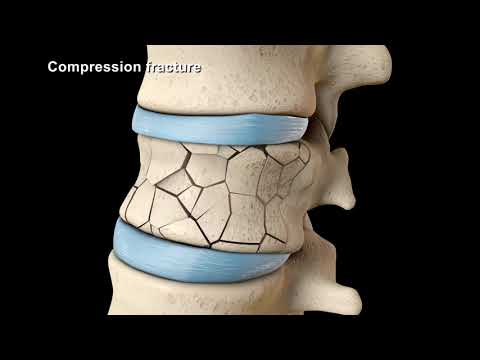
So, let’s chat about kyphoplasty. You might be asking, “What even is that?” Well, it’s a medical procedure aimed at helping folks who have vertebral compression fractures. These fractures can happen because of osteoporosis or even from an accident, and they can cause some serious pain.
Now, here’s the deal. When your vertebrae—those little bones in your spine—get squished down, it leads to pain and can make you hunch over. Kyphoplasty aims to fix this issue and get you back on your feet.
The procedure involves a couple of steps:
- Using Imaging: Doctors start by using X-rays or similar imaging techniques to locate the damaged vertebrae.
- Creating an Opening: After that, they make a small incision in your back to insert a balloon-like device into the fractured bone.
- Inflating the Balloon: Once in place, they gently inflate that balloon to restore the vertebra’s height.
- Injecting Cement: Finally, a special bone cement is injected into the space created by the balloon. This helps stabilize the vertebra and reduces pain.
This whole process usually takes about an hour per vertebra. People often report feeling relief pretty quickly after waking up from anesthesia! Imagine waking up and feeling like you can stand tall again; that must feel amazing!
You know what’s wild? Studies suggest many people find significant pain relief after kyphoplasty. That said, it’s super important to remember it doesn’t work for everyone. Some may experience complications or ongoing issues with their back.
If you’re thinking about this procedure for yourself or someone else, having an honest discussion with a healthcare provider is key! They’ll help sort through if kyphoplasty is even worth considering based on individual circumstances.
The bottom line? Kyphoplasty could potentially address those pesky vertebral compression fractures and offer some much-needed relief. Just remember: this isn’t a one-size-fits-all solution—always consult with professionals first!
Long-Term Outcomes and Effects After 3 Years of Kyphoplasty: What Patients Need to Know
So, let’s chat a little about kyphoplasty. You might have heard of it as a way to help with spine issues, especially if you’ve got vertebral compression fractures. But what happens after the surgery, say, three years down the line? Let’s break it down!
Firstly, the goal of kyphoplasty is to relieve pain and stabilize your spine. It often works by injecting a special cement into the fractured vertebrae. But what can you expect in the long term?
- Pain relief: Most patients see significant pain reduction right after the procedure. Many say they’re feeling much better within days! However, some folks might still feel discomfort as time goes on.
- Mobility improvement: A lot of people notice they can move around easier post-surgery, which is awesome! But keep in mind that not everyone has the same experience.
- Bone health: Here’s something interesting: while kyphoplasty helps fix that specific fracture, it doesn’t prevent future fractures. It’s important to stay aware of your bone density and overall spine health.
- Long-term stability: Research shows that most patients generally keep their improved spinal stability for years after kyphoplasty. That’s definitely something good to look forward to!
You know, I once talked to a friend who had this done after suffering from terrible back pain for ages. After her surgery, she felt like she had her life back! She could finally enjoy her favorite activities again without wincing in agony.
However, it’s crucial to remember this isn’t a magic fix for everyone. Some patients report ongoing back issues or even new ones developing later on. Always check in with your healthcare provider about any concerns; they can really help guide you based on your specific situation.
The thing is, every patient’s journey is different. Whether you’re considering kyphoplasty or have already gone through with it, staying informed about what might happen in the future is key! Keep an open line with your docs and make sure you’re doing everything you can for your spine health.
Is Physical Therapy Necessary After Kyphoplasty? Key Insights and Considerations
So, you’ve heard about kyphoplasty, right? It’s a procedure often used to treat spinal fractures. But what happens afterward? One common question that pops up is whether physical therapy is necessary after this type of surgery.
First off, let’s clarify what kyphoplasty is. It’s like putting a band-aid on a broken bone in your spine, using this cool cement-like substance to stabilize it. Afterward, many folks wonder if they should jump into physical therapy.
Here are some key insights:
- Restoration of Movement: Physical therapy can help regain strength and flexibility in your back.
- Pain Management: Therapists often teach you exercises that might help reduce discomfort.
- Guided Recovery: You’ll get personalized plans tailored just for you, which can make recovery smoother.
- Avoiding Future Issues: Learning proper techniques can help prevent future injuries.
The thing is, every person’s recovery journey is unique. Some might feel fine and not need it much at all. Others may need extensive help getting back to their former selves. So, how do you know what’s best for you?
This is where talking to your doctor or healthcare provider comes in handy. They can give you a better idea based on your specific situation. Remember my friend Sarah? She had kyphoplasty and thought she was good to go without therapy. Well, she ended up feeling stiff and sore after a few weeks! Luckily, once she started physical therapy, things turned around quickly.
In the end, physical therapy isn’t mandatory for everyone post-kyphoplasty, but it sure has its perks! It can be a valuable tool in helping you recover more effectively and get back to doing the things you love. Just keep in mind that everyone’s journey looks different—and that’s totally okay!
If you’re unsure about the next steps after your procedure, don’t hesitate to reach out to a professional who knows best!
So, let’s chat about this thing called kyphoplasty. You might’ve heard of it if you’ve been dealing with nasty back pain or maybe if someone close to you has struggled with spinal issues. It’s kind of a big deal in the world of spine health, but I get that it can all sound a bit fancy and daunting.
Basically, kyphoplasty is a surgery used to treat vertebral compression fractures, which can happen for various reasons, like osteoporosis or injury. Picture your spine’s little bones—the vertebrae—getting squished down. It can be super painful and not just physically, but emotionally too. I mean, when your back hurts, everything feels off, right? You can’t enjoy life the way you want to.
A while back, my friend Sarah went through something like this. She was always the life of the party until one day she slipped on ice and cracked a vertebra. Ouch! After months of struggling to get back to her old self—y’know, feeling restricted and frustrated—she ended up getting kyphoplasty. Seeing her post-surgery turned my heart all warm and fuzzy. She could stand straight again! There was something magical about watching her regain that spark.
So here’s how it works: during the procedure, doctors insert a balloon into the fractured vertebra and inflate it gently to restore its height—like fluffing up a pancake! Then they fill it with cement-like material to keep everything stable. Sounds kinda sci-fi, huh? But it’s minimally invasive compared to some other surgeries.
Of course, this isn’t some miracle solution for everyone with back pain; it’s important for folks to have serious chats with their healthcare providers before diving in. There are risks involved too; nothing in life is without them! But when done right for the right people, kyphoplasty can seriously change lives.
What struck me most is how vital our spines are in every aspect of our well-being—not just physically but mentally too! It’s almost like having a strong backbone (pun intended) gives us that confidence boost we all need sometimes.
So if you or someone you care about is dealing with spine issues and considering options like kyphoplasty, remember there’s hope out there! Just make sure to lean on professionals for some wisdom along the way because navigating health topics can be tricky sometimes!
